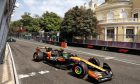


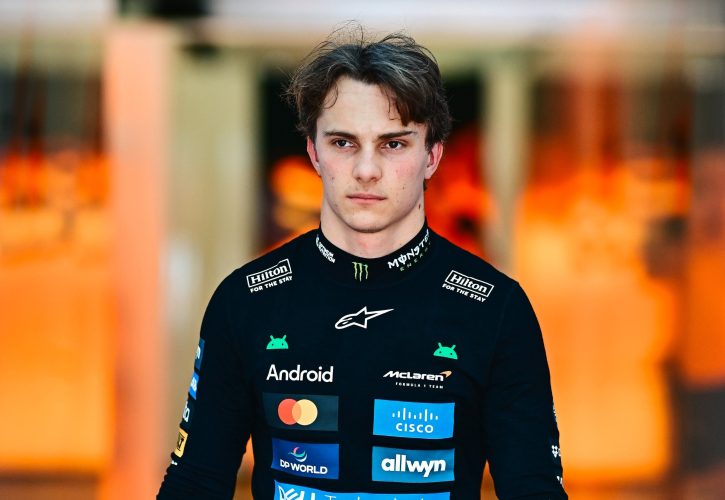


World championship leader Oscar Piastri has made it clear he is not a fan of F1 CEO Stefano Domenicali’s push to introduce reverse grids in Sprint events.
The McLaren driver, who shares the lead for pole positions this season with Max Verstappen, believes such a move would compromise the competitive integrity of the sport and diminish the value of on-track performance.
The debate over reverse grids has been swirling for years, with Liberty Media exploring ways to boost the spectacle of weekend racing.
“Reverse grids – it might sound obvious from where I’m sat, but it’s a bad idea,” Piastri said in Baku.
“Just from a purely sporting and competitive side of things, I think the last thing we want as a sport is things being decided — or critical results happening — because of reverse grid races and stuff like that.”
Reverse Grids: Fine in Junior Series, Not F1
While the idea is popular in junior categories like F2 and F3 – where it helps showcase emerging talent – the top-flight drivers argue that Formula 1 is fundamentally about pure competition, and results should be earned on merit, not shuffled by artificial grid reversals.
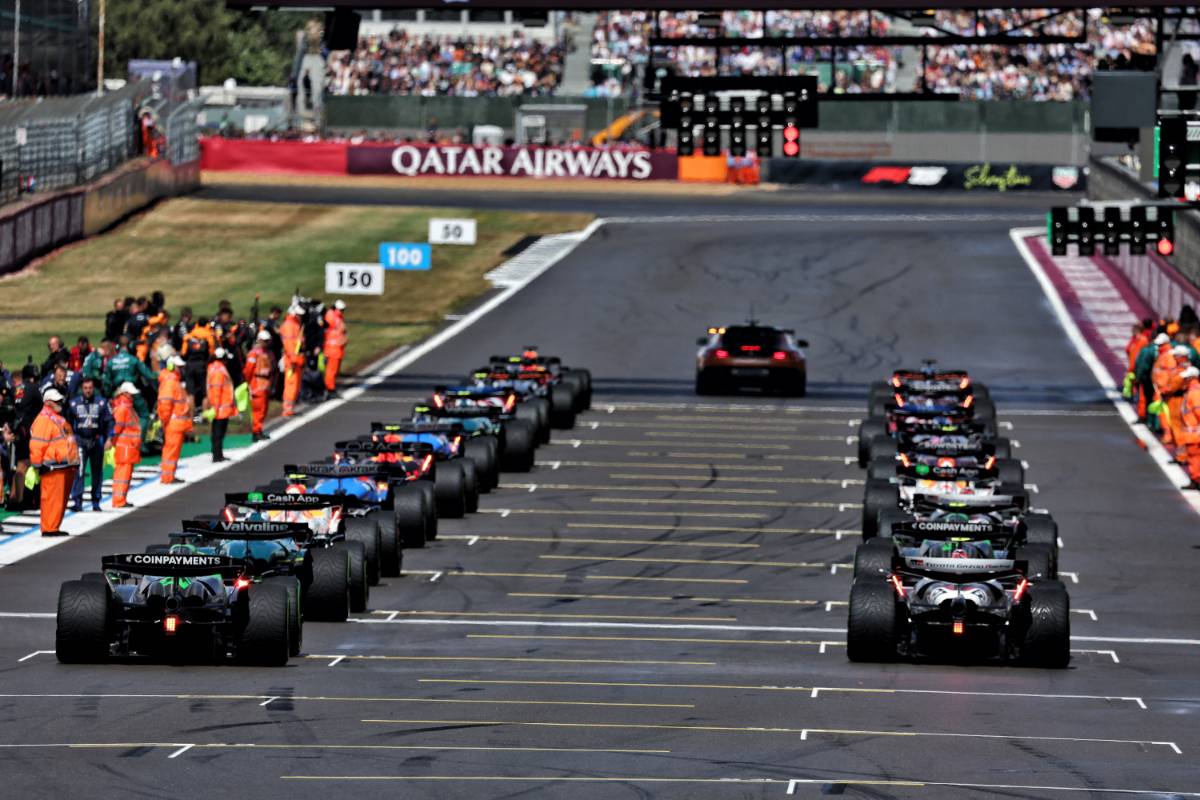
“In Formula 1, there’s nothing more than winning the championship. In F2 and F3, you’re kind of showcasing yourself as to why you should get into F1, and I think that’s a way of showcasing certain things,” Piastri added.
“At the end of the day, the people that will put you in F1 know whether you’ve done a good job or not, regardless of the results. In Formula 1, you don’t have that next step.”
Reverse grids are a contentious topic, and drivers are speaking out, emphasizing the need to balance entertainment with performance, and insisting that any changes must respect the DNA of the sport.
Fellow Drivers Echo Concerns
Piastri is not alone in his skepticism. Sauber’s Nico Hulkenberg warned that reverse grids risk prioritizing spectacle over sport.
“Reverse grids – honestly, I don’t know, that’s a bit mixed feelings,” the German said. “It’s a challenge F1 faces.
“The sport is popular, obviously you always want to enhance and improve the entertainment side, but you also need to cover and keep a balance with the performance side.
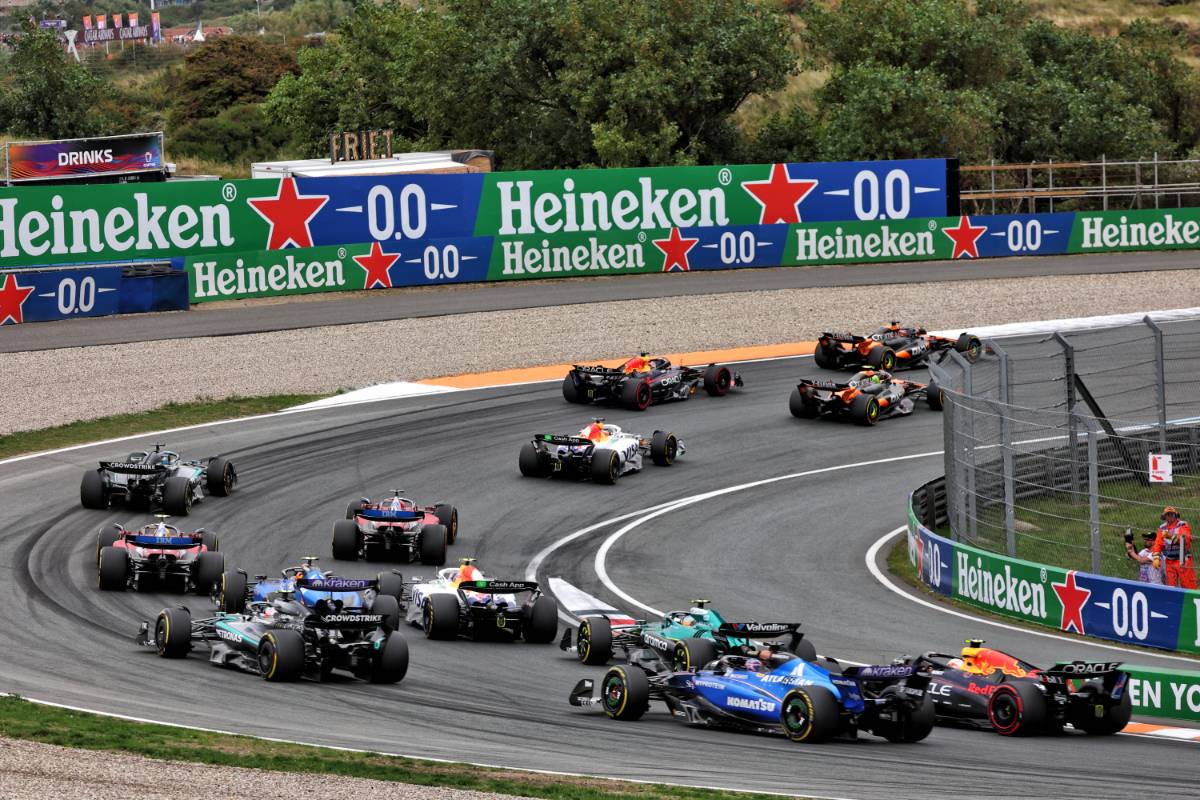
“For us as a sport, we’re looking for ultimate performance. To find the right balance is not easy. We also need our practice time, and we look for perfection and ultimate performance.
“So there’s definitely a balance to be had, but [I’m] always open to change.”
Protecting Formula 1's DNA
Pierre Gasly agreed, emphasizing the need to preserve F1’s DNA while experimenting cautiously.
“We’ve got to keep some DNA of the sport. The formats we have at the moment — in my opinion — are very good.
“From a driver’s point of view, you have three [practice] sessions, you’re able to work on the car. Engineering-wise, it’s good – session to session – to optimise and perfect the car for quali. And then you have one main race, which is the main event.
“I agree it’s good to try, but at the same time, I’m more towards saying we’ve got a great product, great formats, fans like it. I’d be happy to leave it as it is.
“I’m sure we’ll experience it, and maybe I’ll change my mind in the future. But for now, I’m more towards the current format.”
With Liberty Media seeking ways to boost entertainment and fan engagement, the debate over reverse grids highlights a wider tension in F1: preserving sporting integrity versus experimenting with spectacle.
For Piastri and several of his peers, the priority remains clear – competition on merit should always come first.
Keep up to date with all the F1 news via X and Facebook