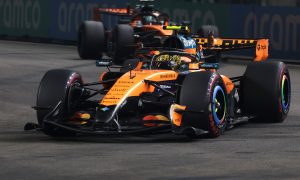


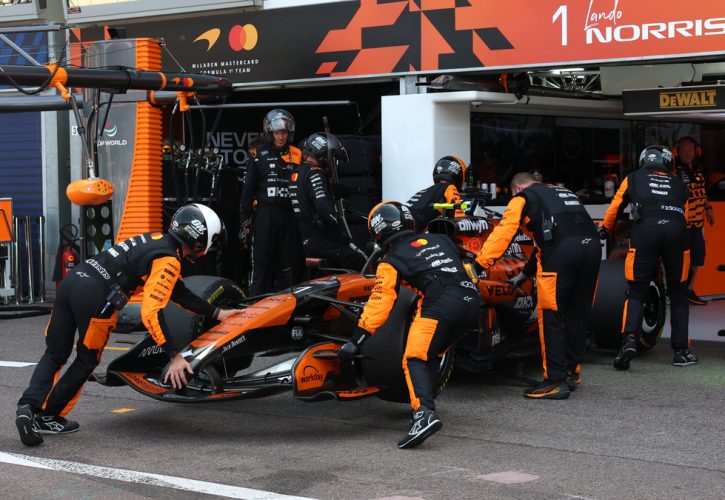


McLaren team principal Andrea Stella says the realities of being a customer team in Formula 1 have become increasingly apparent in the sport’s new technical era, placing the Woking-based outfit “on the back foot”.
After a double-podium finish in Miami last month, a difficult run through Montreal and Monaco has exposed vulnerabilities that Stella believes can no longer be ignored.
The setbacks have come in different forms. In Canada, McLaren’s race was compromised by a gamble on intermediate tyres before Lando Norris’ afternoon ended prematurely because of a gearbox failure.
Last weekend in Monaco, the reigning world champion suffered another retirement, this time triggered by a power unit issue.
For Stella, the incidents may not share the same cause, but together they point toward a broader concern.
Reliability questions move centre stage
Speaking in Monaco, Stella acknowledged that McLaren has historically enjoyed the benefits of its partnership with Mercedes High Performance Powertrains, but suggested recent events have highlighted challenges that naturally accompany customer-team status.
“Never before we felt that being a customer team has put us on the back foot. And when I say this, and I want to be clear here, to avoid any misunderstanding: it's not because you are a lower priority for [Mercedes] HPP”, the Italian said.
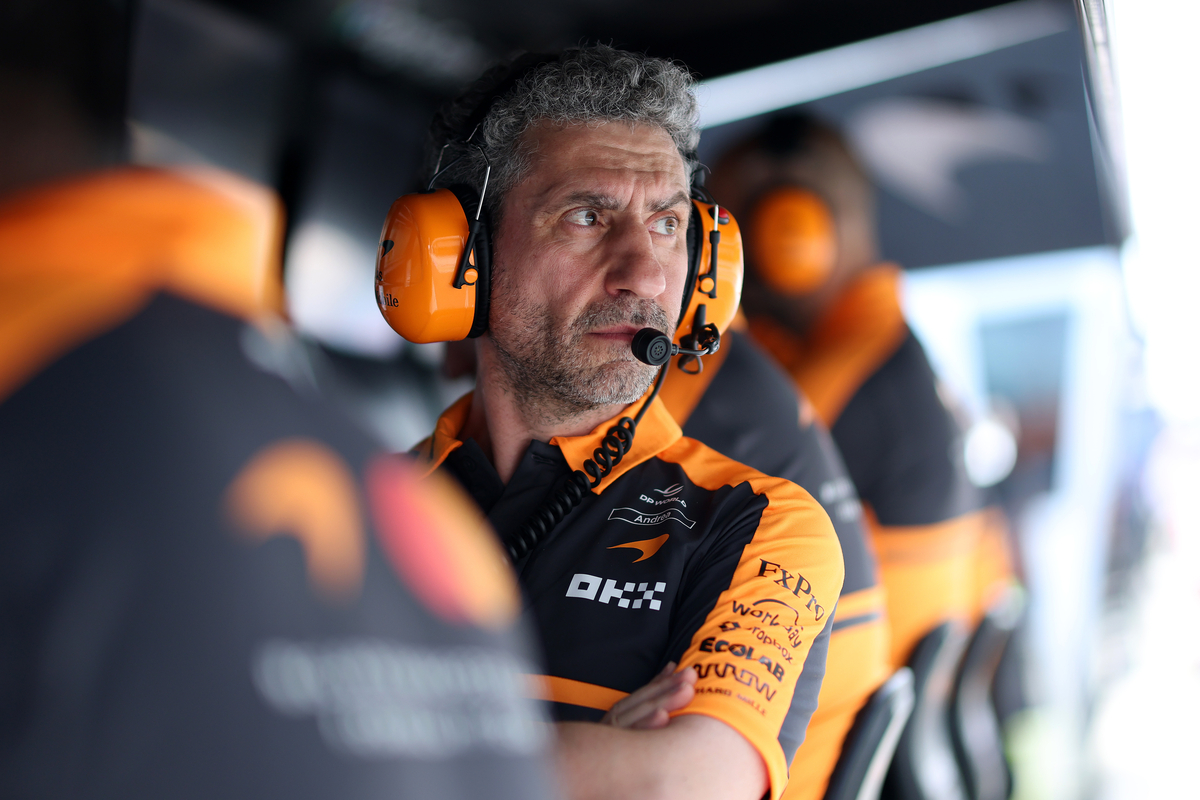
Instead, he argued that the difference lies in the level of integration available to a manufacturer-owned operation.
“[It is] because you have less opportunities to integrate, to stay on the same timeline when it comes to addressing reliability problems or exploitation of the power unit from a performance point of view, combining the efforts when you use the facilities, and some experiments on the chassis side that you can add to a long run of the power unit when you are a works team,” he explained.
“There are many reasons why reliability associated to the power unit [plays a role], or taking advantage of being a works team from a power unit point of view. I think these reliability issues have come into focus in 2026, when we had such a major technical regulation change.”
The comments arrive at a time when the competitive advantages of factory-backed programmes are under renewed scrutiny.
With Formula 1 adapting to sweeping new regulations, close coordination between chassis and power unit departments has become more important than ever.
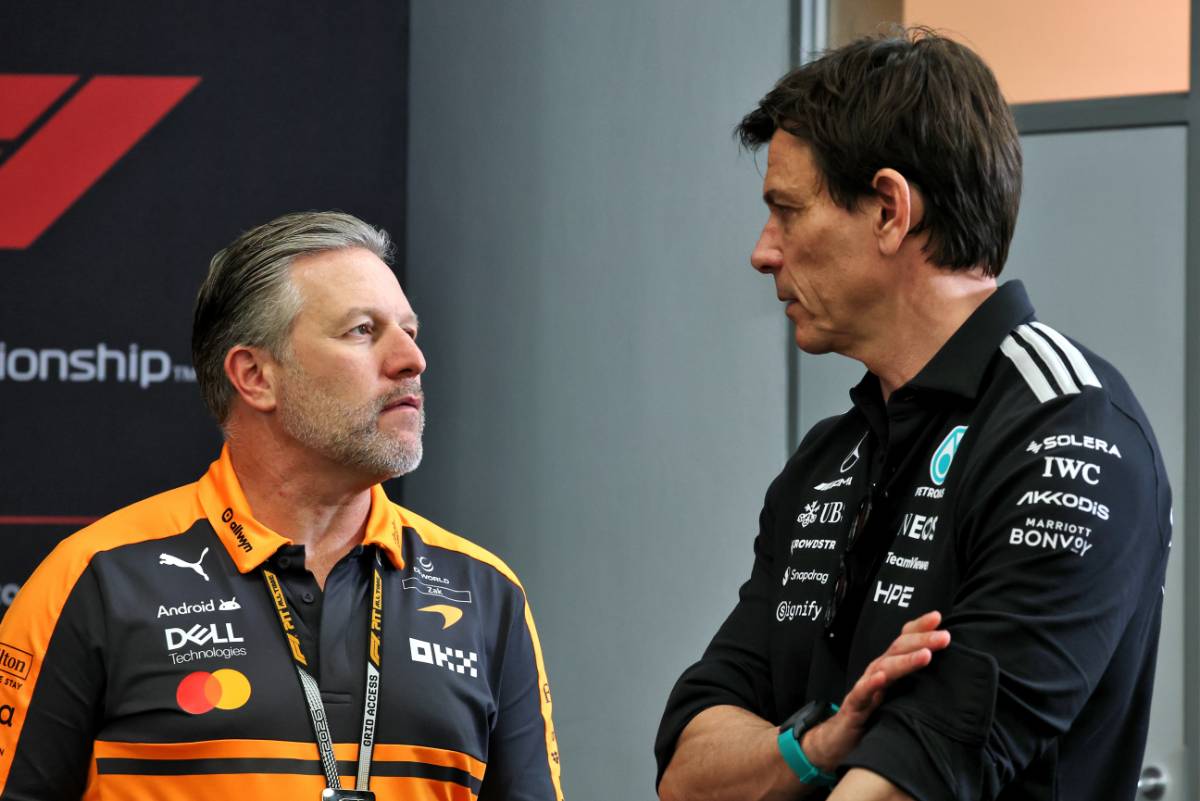
McLaren CEO Zak Brown has previously indicated the team could consider producing its own engine in the future, following a path similar to Red Bull’s, provided such a project made financial sense.
For now, however, the focus remains on strengthening existing processes with Mercedes.
Deep review underway with Mercedes
Stella revealed that McLaren and Mercedes HPP are conducting an extensive examination of their working relationship, looking beyond individual failures and toward the overall flow of information and collaboration between the two organisations.
“That great relationship [with Mercedes HPP] allows us to review item by item, learn from each item and solve it technically. But when you don't know what's coming, it's not sufficient to simply address item by item,” he said.
“You ultimately need to review the depth, the intensity and the effectiveness of the various meetings, engagement, sharing of information, processes – from factory to factory, track to track, track to factory, and so on.
“The review is ongoing and is, in a way, punctual in terms of looking at each item individually.”
The McLaren boss stressed that the exercise extends well beyond troubleshooting isolated problems. Instead, it is designed to prepare both organisations for the unprecedented demands of Formula 1’s new generation of cars and power units.
Read also:
“But it's also a wider review in terms of what do we have to enhance? Because in 2026, there's so much novelty, there's so many new things, and we kind of have to operate at a new level of collaboration compared to what we were doing before,” Stella elaborated.
“These conversations have already started for some months now, but like everything in F1, there's always a lead time. It's not like you see the results the day after. So this is already happening and is relatively wide-ranging as a discussion.”
McLaren takes responsibilty
Despite the recent setbacks, Stella was careful not to portray Mercedes as the source of McLaren’s problems. He pointed to Norris’ gearbox failure in Canada as evidence that some reliability concerns have originated entirely within McLaren’s own operation.
“There's some, like the gearbox problem on Lando's car in Canada, which are purely on the McLaren side,” he said.
“So I just want to be totally fair to our power unit supplier, with whom we've had a fantastic relationship, very successful. And still, the relationship is great.”
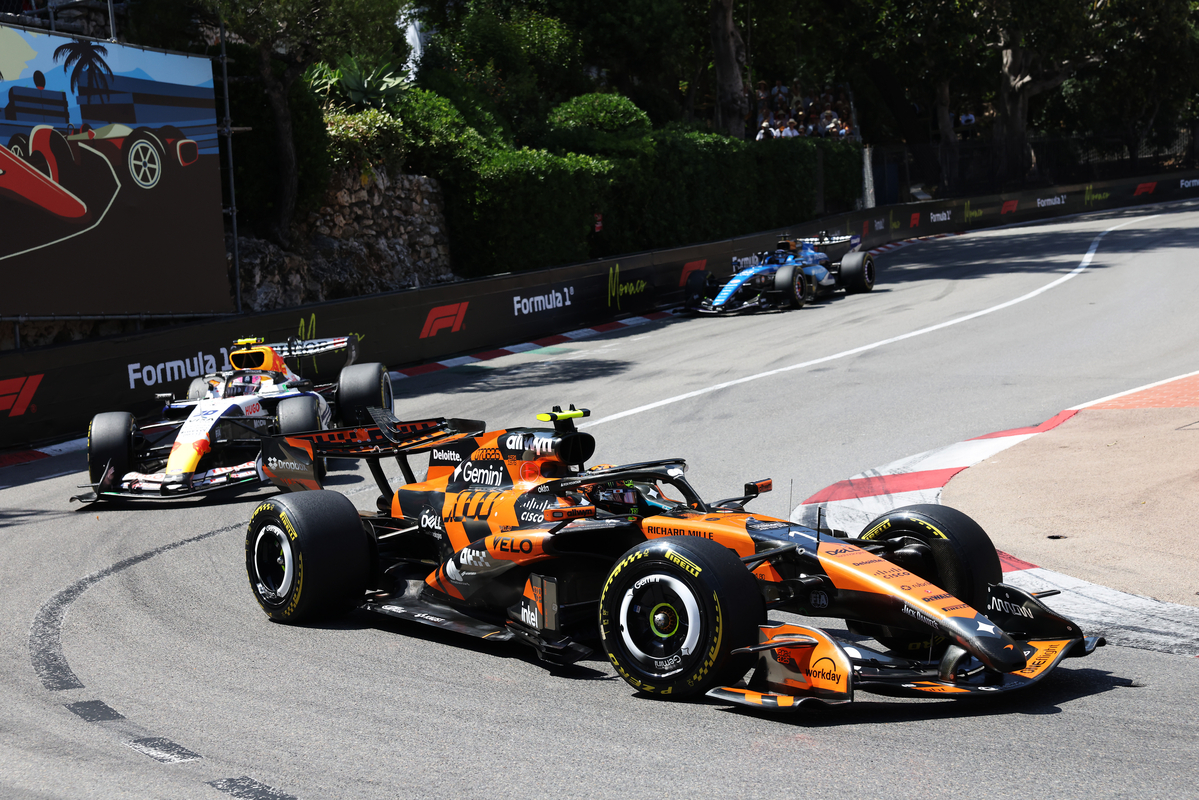
That reassurance may ease any concerns about tension between the two parties. Yet Stella’s admission that McLaren has found itself “on the back foot” as a customer team underlines a growing reality in Formula 1: as technical complexity increases, the advantages enjoyed by works teams become harder to replicate from the outside.
For McLaren, solving the immediate reliability issues is one challenge. Ensuring it can match the seamless integration available to factory rivals may prove to be the bigger battle ahead.
Keep up to date with all the F1 news via X and Facebook