




Max Verstappen has cast a note of intrigue over Formula 1’s latest regulatory twist after admitting he was surprised by the FIA’s verdict in the inaugural ADUO assessment, which unexpectedly placed Red Bull at the top of the sport’s new engine performance rankings.
The decision, delivered to teams during the Monaco Grand Prix weekend, forms part of the sport’s Additional Upgrade and Development Opportunities system – a mechanism designed to help balance power unit development across manufacturers.
But instead of the anticipated hierarchy, the result flipped expectations in the paddock, positioning Red Bull ahead of established engine giants and restricting its future development scope.
For Verstappen and Red Bull, the outcome has created a curious duality: recognition on paper, but uncertainty in interpretation.
A verdict that raised eyebrows in the paddock
Speaking in Barcelona on Thursday, Verstappen did not hide his surprise at how the assessment unfolded – or the questions it has since triggered inside Red Bull’s camp.
“We were all a little bit surprised with that news,” Max Verstappen said.
“I guess that's why we're talking to the FIA now to see what happened there, how they came to that conclusion. There's not much more to say right now. That's what they're looking at.”
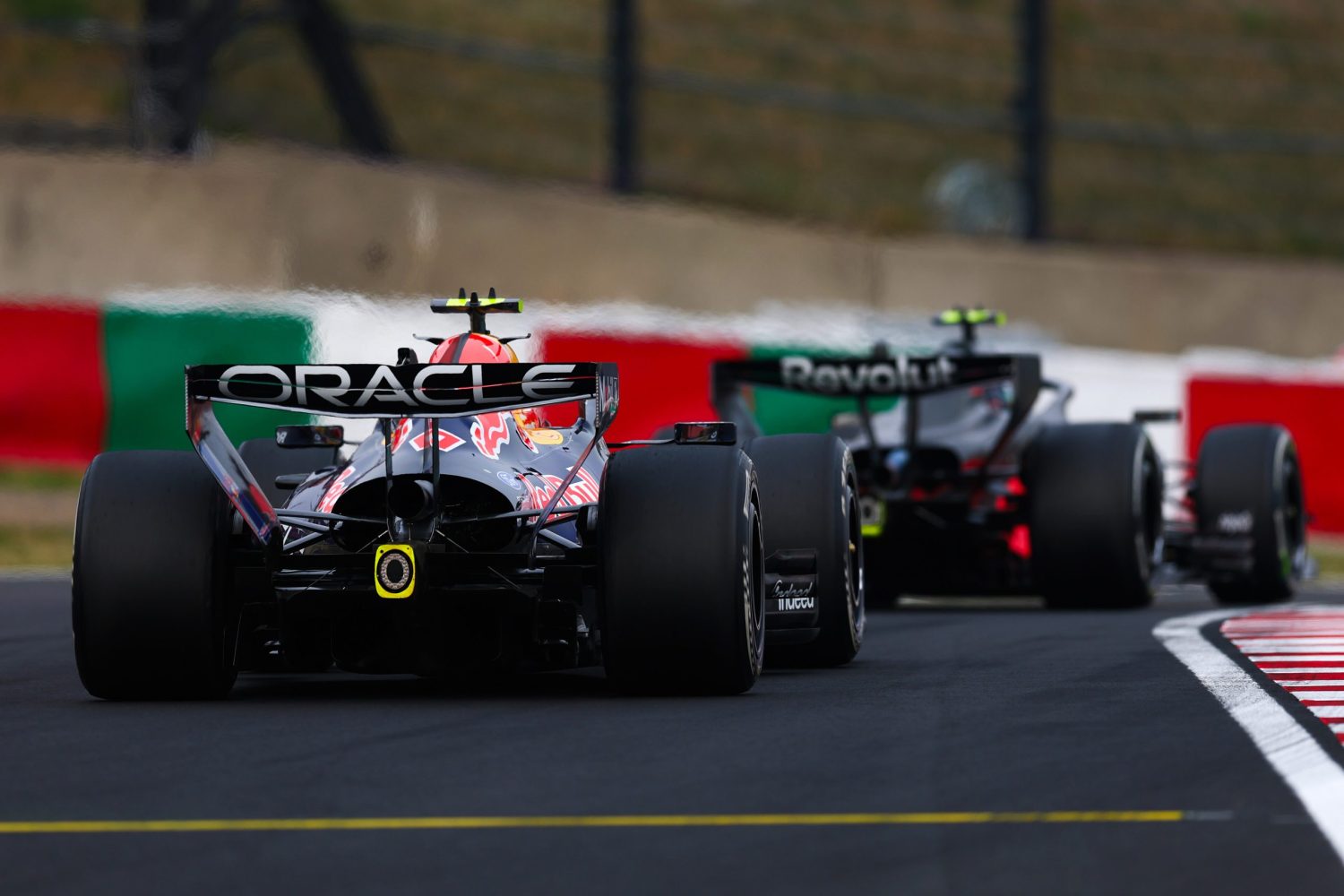
©Red Bull
The Dutchman confirmed that Red Bull has formally engaged with the FIA to review the findings, with the governing body currently re-checking sensor data and methodology. The process is expected to take between seven and ten days, delaying any definitive public clarification.
While the FIA’s assessment is based on measured performance data, the ADUO framework itself has already sparked debate across the paddock, particularly because it evaluates only internal combustion performance while still granting development freedoms across broader power unit elements.
Yet Verstappen was keen to distance himself from the technical politics surrounding the system.
“I'm also not involved in this day to day. So I think it's better if you ask someone else how accurate it actually is, the measurements. For us, we're just surprised what came out”, he said.
Pride, confusion and a curious kind of compliment
Beyond the regulatory uncertainty, the verdict has also left Red Bull in an unusual emotional space — part pride, part disbelief.
Being labelled the benchmark newcomer engine programme is, in itself, a significant statement about the team’s rapid rise in power unit development. Yet Verstappen suggested the reality inside the garage does not quite match the perception created by the rankings.
“It's a bit double, I guess, at the moment, because maybe from the outside you should say yes, that's amazing, but we just feel surprised because we don't feel like we are the best,” he said.
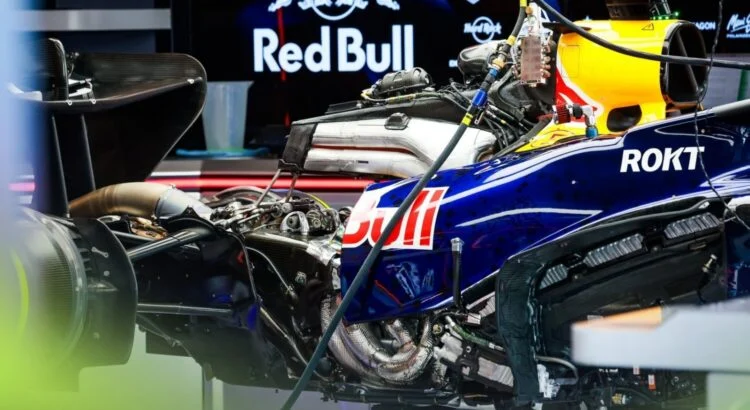
“I think it's super impressive what they have done. If you look at it, we're definitely not the worst out there and it's super impressive what they have done in such a short time frame.
“Of course, we still have some reliability things. But overall, it's honestly nice to be a part of it and seeing the drive of the people and what they want to do. They're never satisfied, I'm also never satisfied, but they aren’t as well, and they're equally as disappointed when things don't go right.
“So yes, in a way of course we are proud. We're just a bit confused with suddenly being portrayed as the best because we don't feel like that.”
As the FIA continues its review behind the scenes, the ADUO verdict has already achieved something unexpected: it has placed Red Bull at the centre of a technical debate that stretches beyond performance charts and into the interpretation of F1’s evolving regulatory landscape.
For Verstappen, however, the message remains grounded in familiar territory – respect for progress, scepticism of certainty, and a championship mindset that refuses to be defined by rankings on paper alone.
Keep up to date with all the F1 news via X and Facebook