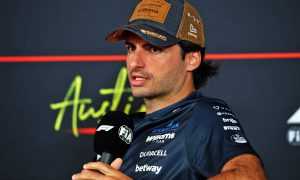


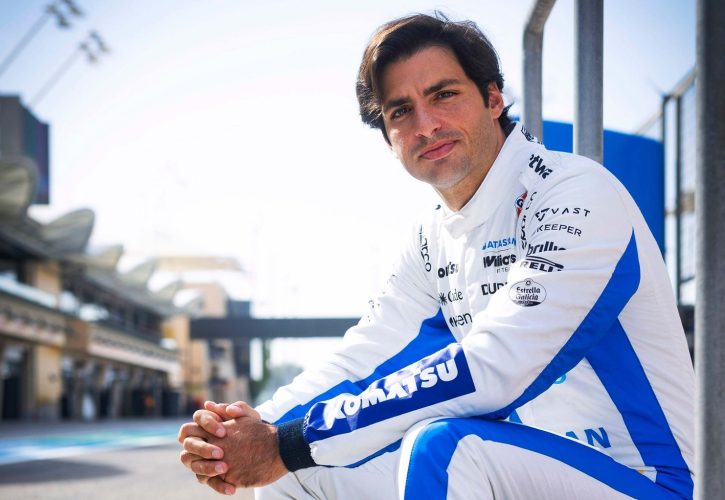


Move over, conventional motorsport. Carlos Sainz has officially left reality behind in the pit lane, ascending into a glorious, fuel-injected dreamworld where the rules of Formula 1 are completely torn to shreds.
For nearly eight decades, F1 drivers have followed a strict, almost religious scripture: you sign with a team, you wear their matching polo shirts, and you pray their engineers built a rocket ship instead of a tractor.
But Sainz, who moonlights as the Chairman of the Grand Prix Drivers’ Association, decided to drop a philosophical nuclear bomb of an idea on the sport's traditional foundations during a chat with Spanish publication Mundo Deportivo.
“I’ve got a slightly crazy idea, which I don’t think I’ve ever mentioned to the press before. No… I’m not sure if I can say it,” Sainz teased, before unleashing a vision so wild it sounds like it was dreamt up after an aggressive dose of espresso.
The ultimate automotive musical chairs
In Sainz's fantasy utopia, the lifelong marriages between drivers and billionaire manufacturers are completely dissolved. Instead, F1 becomes a high-stakes game of traveling musical chairs.
“I’ve always imagined a Formula 1 where the manufacturers and the drivers are separate,” the Williams charger explained. Then, realizing the sheer magnitude of the corporate heart attacks he was inducing in boardrooms from Stuttgart to Maranello, he added with a chuckle, “That’s never going to happen, is it?”
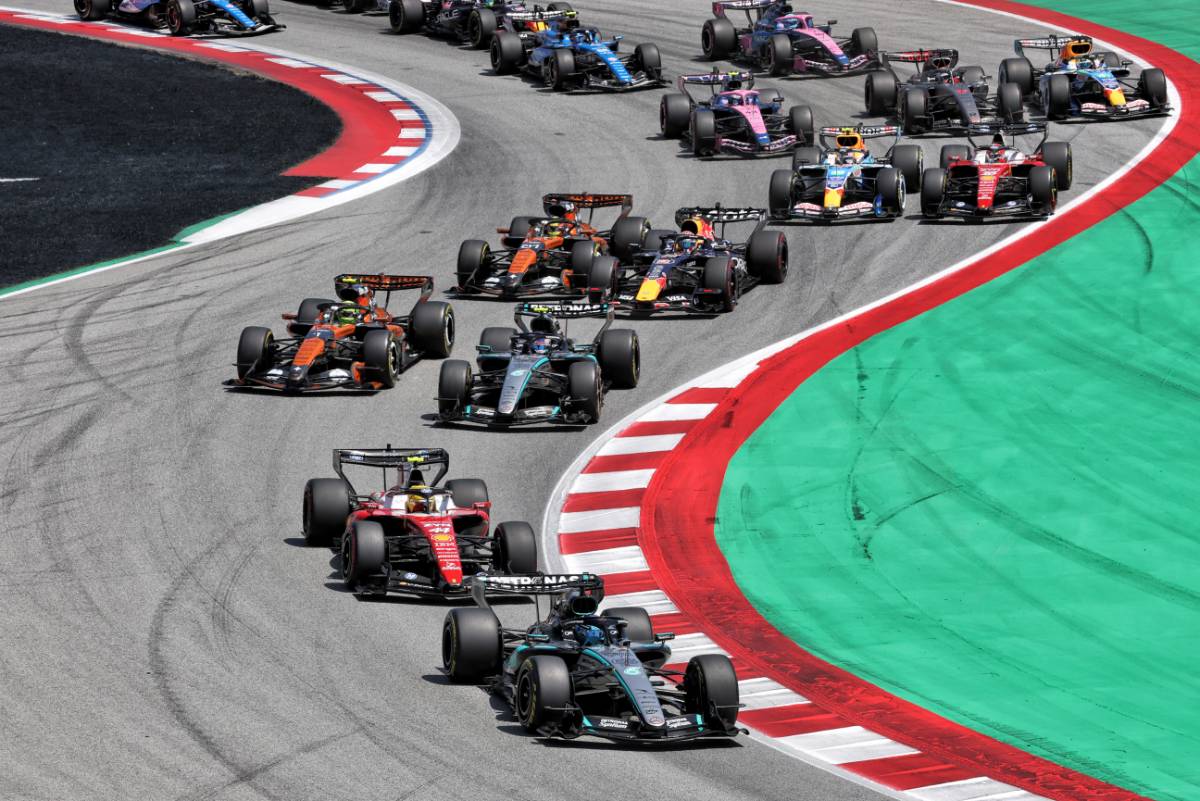
Probably not, Carlos, but let us dream. Under his magnificent, chaotic blueprint, drivers are no longer loyal employees bound by hundred-page legal contracts. Instead, they are elite, mercenary gladiators-for-hire, floating from garage to garage like highly paid nomads.
“But I’ve always thought of a series where you have 20 races and each driver races two races in each car. So the driver is part of F1, not part of a team; they’re an F1 client hired by Formula 1 to drive the cars,” Sainz proposed.
Imagine the wonderful, unadulterated madness. One weekend you are fighting for your life in a twitchy, lower mid-field challenger; the next, you are steering a championship-dominating masterpiece. No more crying about a bad car; no more getting carried by a dominant design.
A true test of earthly gods
The mathematical poetry of Sainz’s master plan is where the fantasy truly shines. By forcing every single grid member to cycle through every piece of machinery on the grid, the sport would finally solve its oldest debate: who is actually the fastest human on the planet?
“So I’d have the chance to drive two races for Williams, two for Mercedes, two for Ferrari… all the drivers would have exactly the same chance of winning the World Championship,” Sainz detailed.
“That would be the Drivers’ World Championship, and the points you score for that team would count towards the Constructors’ Championship.”
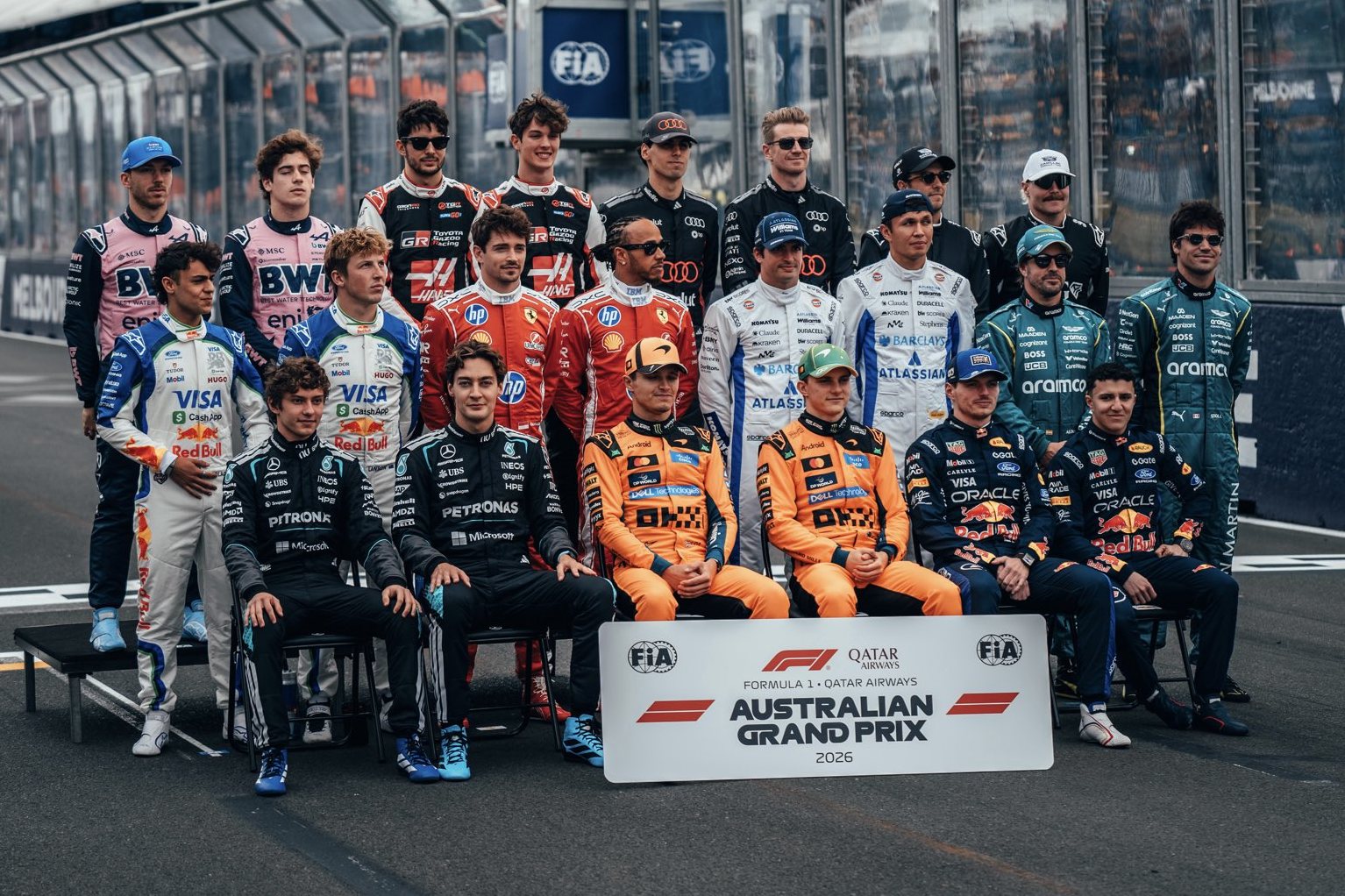
He concluded his manifesto with triumphant clarity: “That way, you’d completely separate the teams from the drivers. And so you’d have a proper Drivers’ Championship and a proper Constructors’ Championship.”
It is a beautiful, deeply egalitarian fantasy. Of course, the reality of implementing it would be a logistical nightmare of epic proportions.
Custom seat fits would have to happen weekly, engineers would have to learn twenty different drivers' radio quirks, and team principals would likely suffer collective breakdowns trying to protect their closely guarded technical secrets from rotating rivals.
Sainz's completely bonkers vision will obviously remain confined to the realm of video games and late-night paddock debates.
But for a fleeting moment, the Smooth Operator gave us a glimpse into an alternate dimension – one where the sport is dictated not by the size of a team's wallet, but by the pure, unadulterated chaos of the cosmic lottery.
Keep up to date with all the F1 news via X and Facebook