





Audi F1 boss Mattia Binotto has thrown a wrench into the paddock’s fragile peace by demanding that the FIA completely rethink its controversial Additional Development and Upgrade Opportunities system.
Designed as a safety net to help struggling engine manufacturers survive the new 50:50 hybrid split, the scheme has instead ignited an explosive row over fairness.
Because the FIA exclusively measures internal combustion power via track performance, the outcome of the FIA’s assessment has left many in the paddock bewildered.
Mercedes, dominating the field with the grid's most competitive overall power unit, bizarrely qualified for the developmental lifeline. Meanwhile, a struggling Red Bull squad – languishing at the bottom of the top four with their maiden, in-house Red Bull-Ford powertrain – was denied the extra help, losing a fierce official protest in the process.
While Audi itself qualified for the ADUO upgrades as it navigates its debut season after absorbing Sauber, Binotto refused to stay silent on what he views as a deeply flawed, exploitable system.
A flaw in the matrix
The heart of the controversy lies in how the FIA calculates its benchmark. By focusing strictly on on-track data, Binotto argues that teams can easily mask their true power unit capabilities if their aerodynamic or chassis packages are strong enough to carry them.
“In my opinion, the limit has been that it has exclusively measured performance on the track. A car with an overall advantage can afford not to fully exploit the potential of its power unit,” Binotto told Motorsport.com.
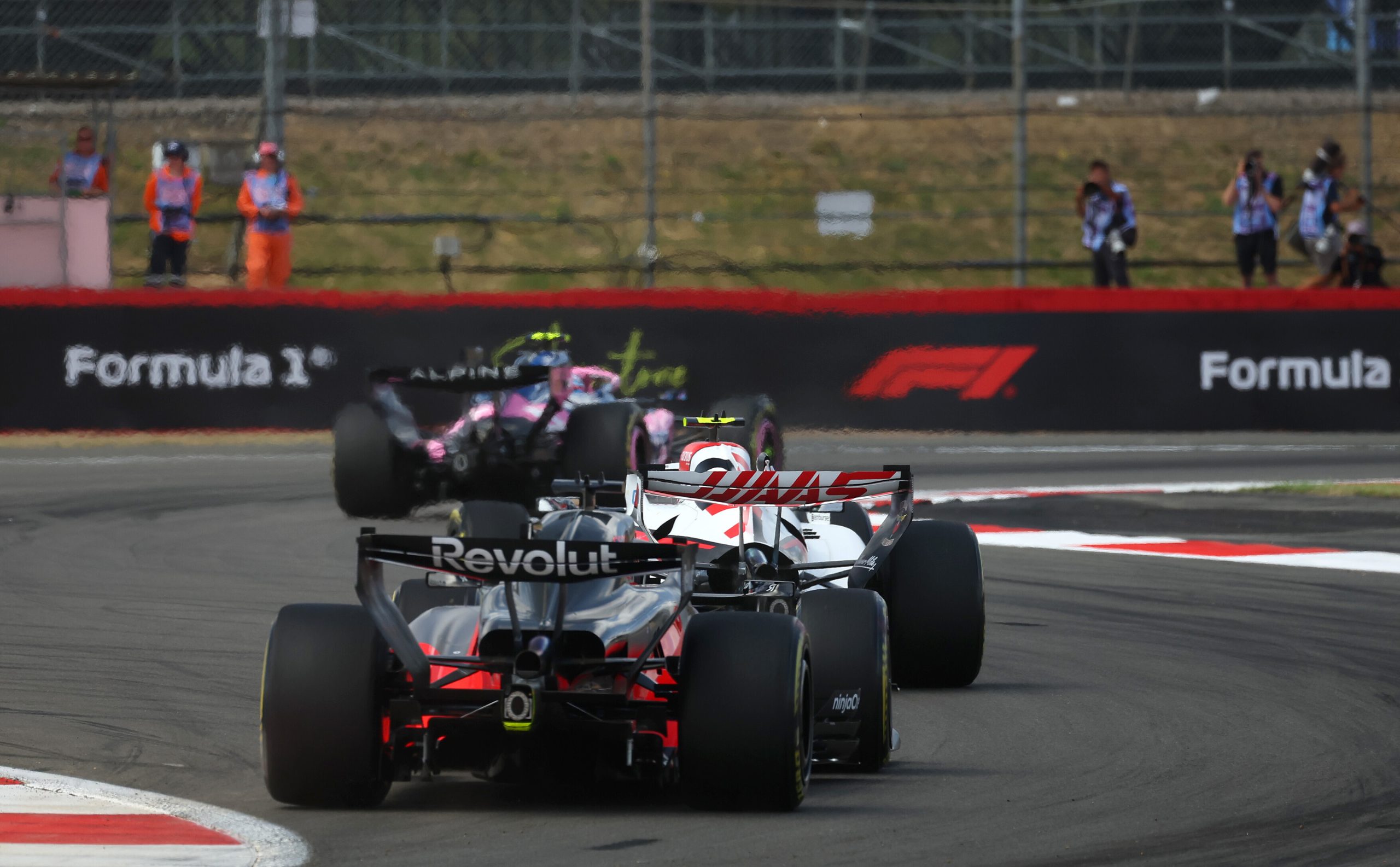
The Italian engineer pointed directly at the silver elephant in the room, hinting that the current championship leaders might have played the system to secure a massive financial and developmental advantage under the cost cap.
“It’s possible, for example, that Mercedes had an engine with superior potential, but had no need to push it to the limit because it already had an advantage thanks to the car. If that were the case, it could have also gained additional development margin.
“That’s why I think the regulation needs to be rethought in this regard. This wasn’t the original intent of the ADUO: the goal was to help those who were actually falling behind, not to create situations in which the true potential of a power unit might be difficult to assess.”
A call for balance
Despite his pointed critique, Binotto was careful not to accuse the governing body of incompetence or bias. He acknowledged the staggering complexity of regulating the new power units, which drivers have widely criticized as a frustrating minefield to operate.
“On the results, I’m not questioning the work done by the FIA,” he explained. “They have all the tools and data necessary to make their assessments, despite the limitations that any measurement system inevitably entails.”
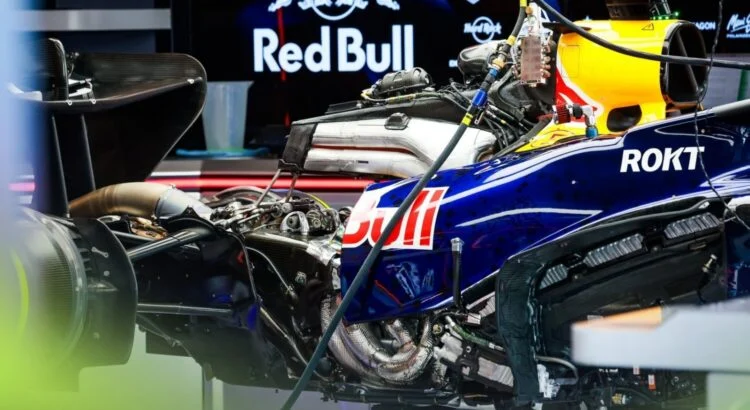
However, with engine specifications essentially locked in for the foreseeable future, Binotto warned that failing to fix the ADUO loophole now risks cementing an unfair hierarchy for the next half-decade.
“However, I believe it’s important to remember the original objective of the ADUO,” he added.
“When it was first discussed, the concept was that of a sort of safety net. If a manufacturer was far behind at the start of the regulatory cycle, with regulations virtually frozen and very little room for development, it would risk dragging that disadvantage for five years.
“This gave rise to the concept of performance convergence: allowing those who were further behind to have a greater chance of catching up. Ultimately, it’s the same principle that already exists for chassis and aerodynamics.
“Those further back in the standings have more hours in the wind tunnel. Likewise, those who are further behind in terms of power unit performance receive greater development opportunities to catch up with the others and make the championship increasingly balanced.”
Keep up to date with all the F1 news via X and Facebook