

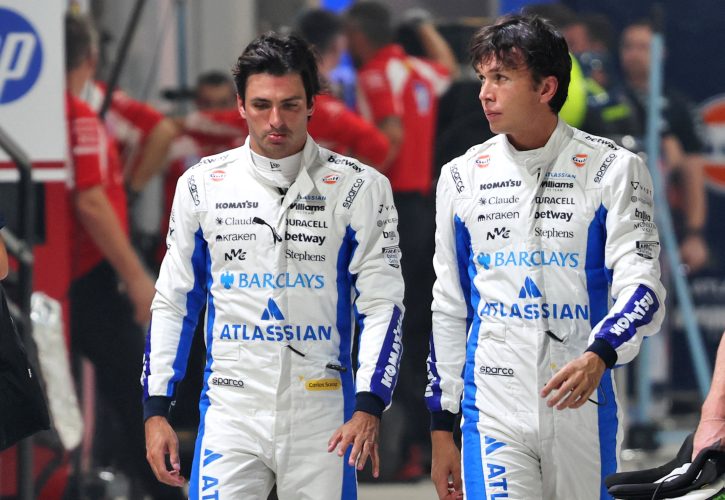


Carlos Sainz has accused the FIA of compromising sporting fairness in Formula 1 after a race control error left drivers with unequal power at a crucial stage of Sprint qualifying in Singapore, prompting fresh questions over the consistency of the governing body's decisions.
The Williams driver was particularly aggrieved that the session went ahead despite some competitors having an advantage he estimated at half a second per lap.
With his own qualifying effort already compromised by brake problems, Sainz finished 22nd and last, but he made clear that his frustration extended well beyond his own result.
The controversy unfolded after Sergio Perez's crash in the opening segment triggered a red flag. A subsequent human error in race control meant Overtake Mode was not correctly re-enabled for a period, leaving a number of cars unable to access the additional electrical energy available to their rivals.
For Sainz, the issue was not simply another operational mishap. It was the FIA's decision to let the session continue without addressing the resulting disparity that drew his sharpest criticism.
Half a second between rivals, and no intervention
Sainz admitted that Williams had struggled to put together a clean lap, with brake trouble from the opening practice session carrying over into Sprint qualifying despite the team changing the brakes ahead of the session.
“Unfortunately we had a really poor lap there, we only got one lap,” the Spaniard explained after sprint qualifying.
“We had some issues with the brakes in FP1, we had to change them for sprint qualifying and we were having some brake issues still. Had a few lock ups, was struggling with that and the tyres.
“But on top of that, half of the cars did the lap with half a second quicker engine than the others. There was a software issue with the cars and we were on the bad end of it.
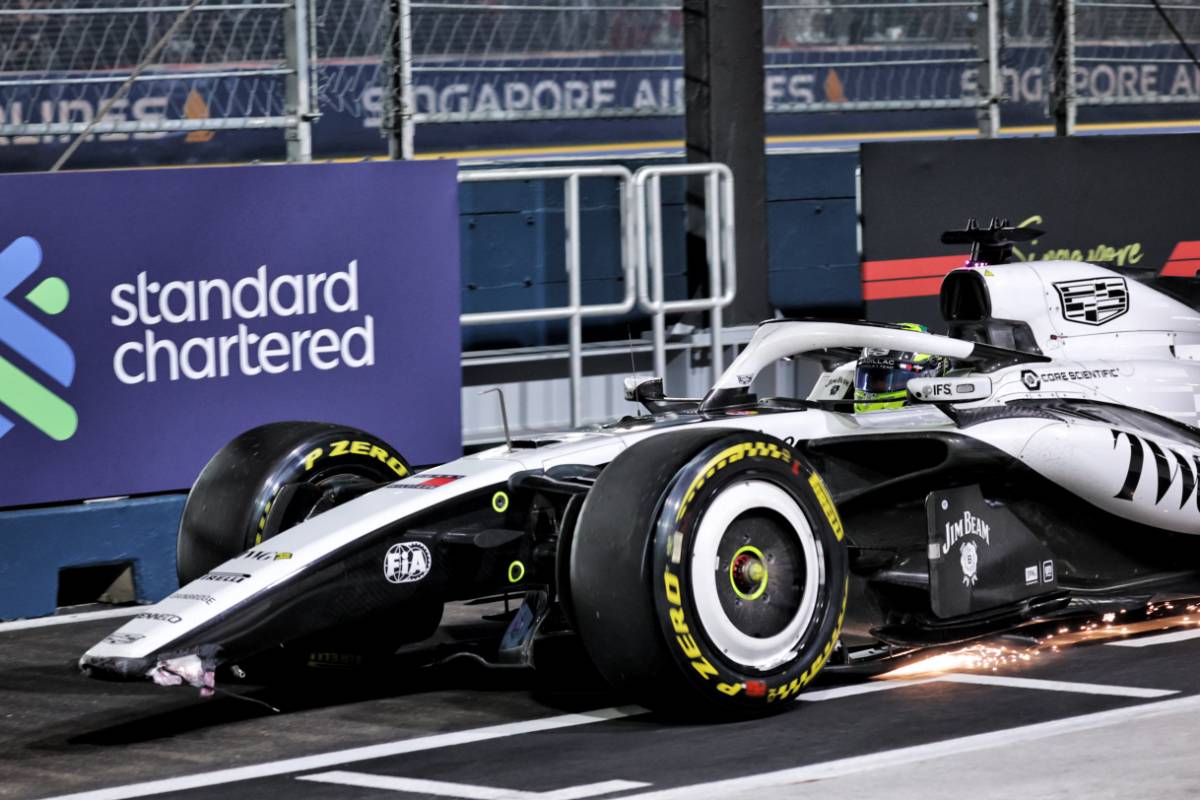
“For whatever reason the FIA, like in Malaysia, didn’t decide to do sporting equity and were happy to do quali with half of the cars in quali with a higher power than the other half of the cars.
“So a bit confused why the sport keeps doing different things depending on who is out in Q1 or who is out in lap one.”
The Spaniard's reference to Malaysia was a pointed reminder of the previous weekend's technical turmoil at Sepang, where a separate software glitch disrupted the start of the Bahrain Grand Prix.
For Sainz, the recurring concern is how the FIA responds when technical or procedural failures threaten to distort competitive conditions.
The circumstances in Singapore were different, however. The governing body clarified that the problem was not a software malfunction, but a human error involving the reactivation of Overtake Mode after the red flag.
The system provides drivers with an additional half-megajoule of electrical energy that can be deployed to improve lap time or assist with tyre preparation on out-laps.
Losing access to that resource can therefore have a meaningful impact on performance, particularly in a qualifying session where fractions of a second can determine whether a driver advances.
The disparity left Sainz questioning why the FIA had allowed qualifying to proceed when the field was no longer competing under equal conditions.
His comments also raised a broader issue: whether the governing body applies a consistent standard when deciding how to respond to circumstances beyond the drivers' control.
Timing failure adds to Singapore's embarrassment
The power discrepancy was not the only disruption to Friday's running. A separate glitch in the timing systems delayed proceedings at the end of SQ1 and SQ2, adding another operational headache to an already troubled session.
Sky Sports F1 commentator Martin Brundle did not hide his dismay at the latest failure, drawing a comparison with the previous weekend's problems while stressing that the underlying causes were different.
“This is a completely different problem to what we had last weekend in Sepang, but equally as embarrassing at Formula 1 level,” he said during Sky Sports F1’s coverage of sprint qualifying.
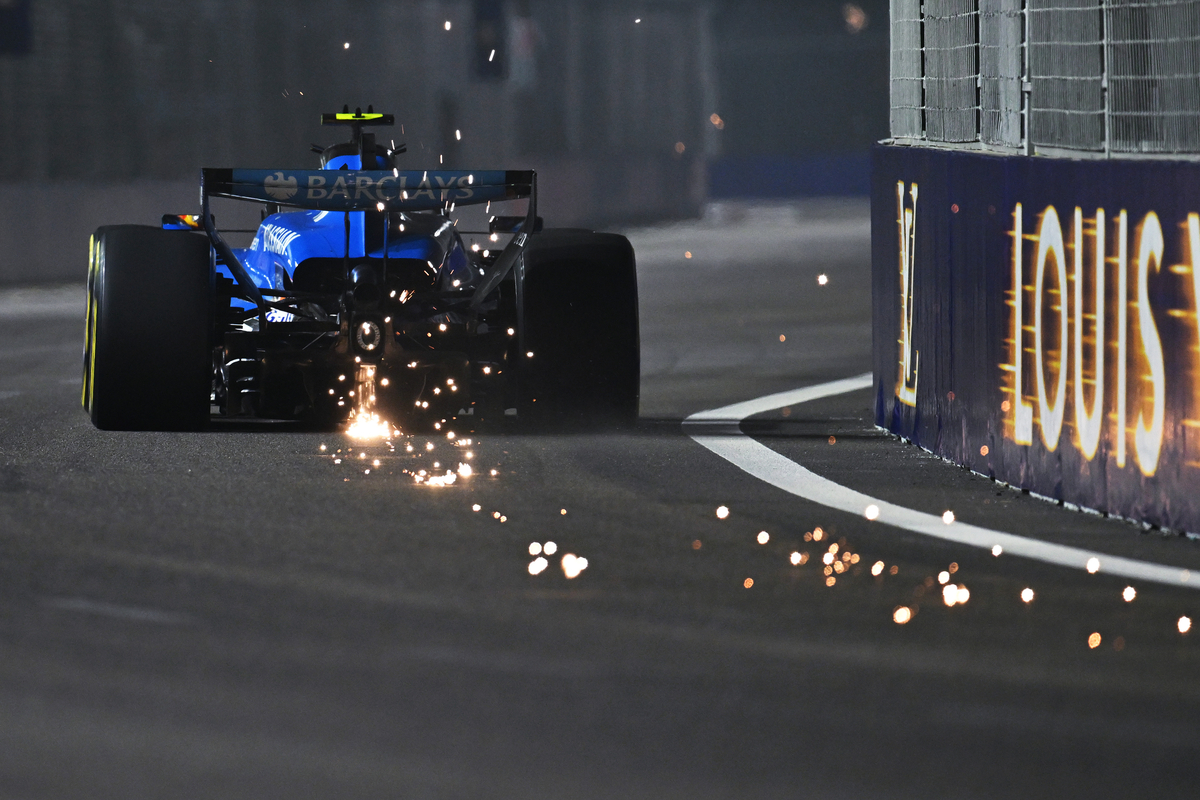
The distinction matters: Singapore's power-related incident was caused by a human error in race control, while the timing malfunction was a separate problem. Together, however, the two incidents placed the sport's operational reliability under uncomfortable scrutiny.
For Sainz, the central grievance remains the FIA's handling of the competitive imbalance.
A driver can accept being beaten by a faster rival or punished by a mistake of his own. Being left at a disadvantage because a key performance mode is unavailable is a different proposition altogether.
His last-place finish will count in the statistics, but the circumstances behind it have fuelled an awkward question for the governing body: when an error leaves competitors with unequal machinery, should the session simply carry on regardless?
Keep up to date with all the F1 news via X and Facebook