

As speculation continues to swirl around Max Verstappen’s future at Red Bull, former Haas team principal Guenther Steiner has offered a measured perspective – suggesting the reigning world champion is unlikely to make any sudden moves before the dust settles on Formula 1’s upcoming regulation overhaul.
Despite being under contract with Red Bull until the end of 2028, Verstappen’s future has come under increasing scrutiny.
Reports of performance-related exit clauses in his deal – combined with confirmed talks between his management and Mercedes – have only intensified the rumors of a possible switch to Brackley. But Steiner believes the four-time champion will play it safe and bide his time.
“I would say yes, at any point, I don't think for next year,” Steiner told Talksport when asked if Verstappen will leave Red Bull.
“My take is he will stay where he is next year to see how the cars are with the new regulations, new engines, new cars, everything is new. Nobody really knows who is where, who will be good, no idea.”
Talks between Verstappen’s management and Mercedes team principal Toto Wolff have already been confirmed, although their significance – labeled as “routine” – has been downplayed by both camps.
Red Bull’s Helmut Marko has also refrained from dismissing the possibility of their star driver’s exit, adding to the intrigue.
Mercedes’ Engine Expertise vs. Red Bull’s Unproven Powertrains
Mercedes’ allure as a potential destination for Verstappen lies in its storied history of engineering excellence, particularly in power unit development.
The German manufacturer dominated F1’s turbo-hybrid era from 2014 to 2020, leveraging its technical prowess to secure seven consecutive constructors’ championships.
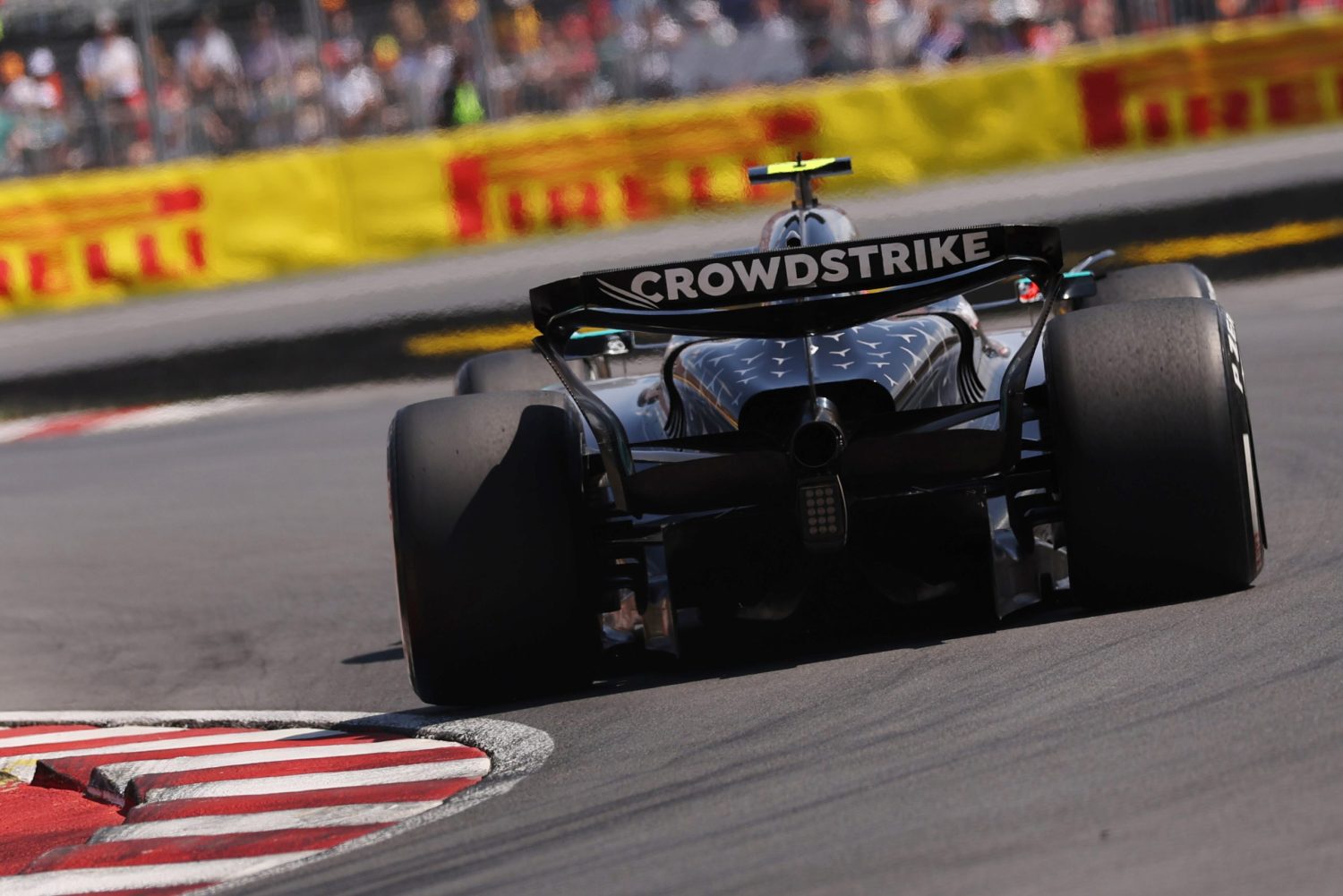
©Mercedes
With the 2026 regulations introducing next-generation power units that emphasize sustainability and synthetic fuels, Mercedes is theoretically well-positioned to maintain its edge, given its extensive experience and resources.
In contrast, Red Bull Powertrains, the team’s new in-house engine program developed in partnership with Ford, remains an untested entity.
While Red Bull has excelled in chassis design and aerodynamics, its ability to compete with established engine manufacturers like Mercedes, Ferrari, and Honda in 2026 is uncertain, potentially influencing Verstappen’s long-term decision.
Verstappen’s Wisdom Will Prevail
Nevertheless, Steiner emphasized the risks of switching teams before the new regulations take effect.
“So if you make a change now, you take a big risk, and at this stage, I think he maybe stays where he is and maybe end of next year, he sees how the cards stack, who has a good car, and then tries to get in the best car,” he explained.
Read also:
Verstappen’s status as F1’s premier driver also gives him leverage to wait for clarity.
“Normally, if you are the best driver, you have a chance to get in the best car, because they are the people who want you,” Steiner added.
“And he's a very wise guy, very well advised by his father and his manager. And I think he just waits it out for next year. End of next year, he'll make a decision where he will be going for '27.”
As F1 heads toward a transformative era, Verstappen’s next move could reshape the sport’s competitive landscape.
For now, Steiner believes the Dutchman’s wisdom will keep him at Red Bull, watching and waiting as the 2026 pecking order begins to take shape.
Keep up to date with all the F1 news via X and Facebook