


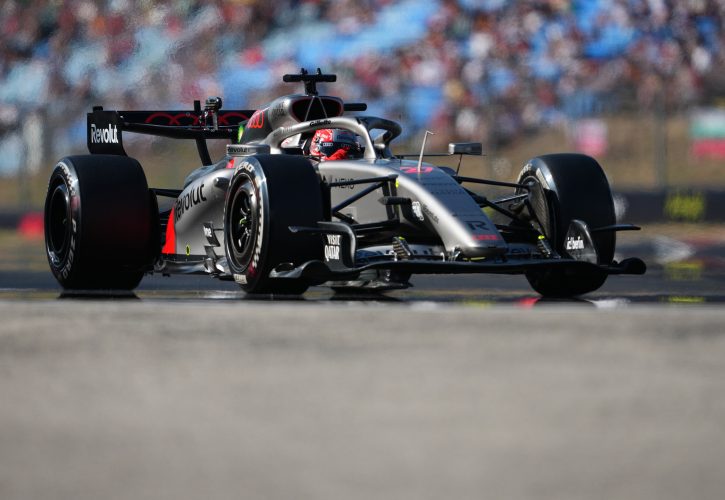


Audi’s climb away from the back of the Formula 1 grid has been one of the quieter success stories of the 2026 season, but the German manufacturer has now revealed that its power-unit push is effectively on pause for the remainder of the year.
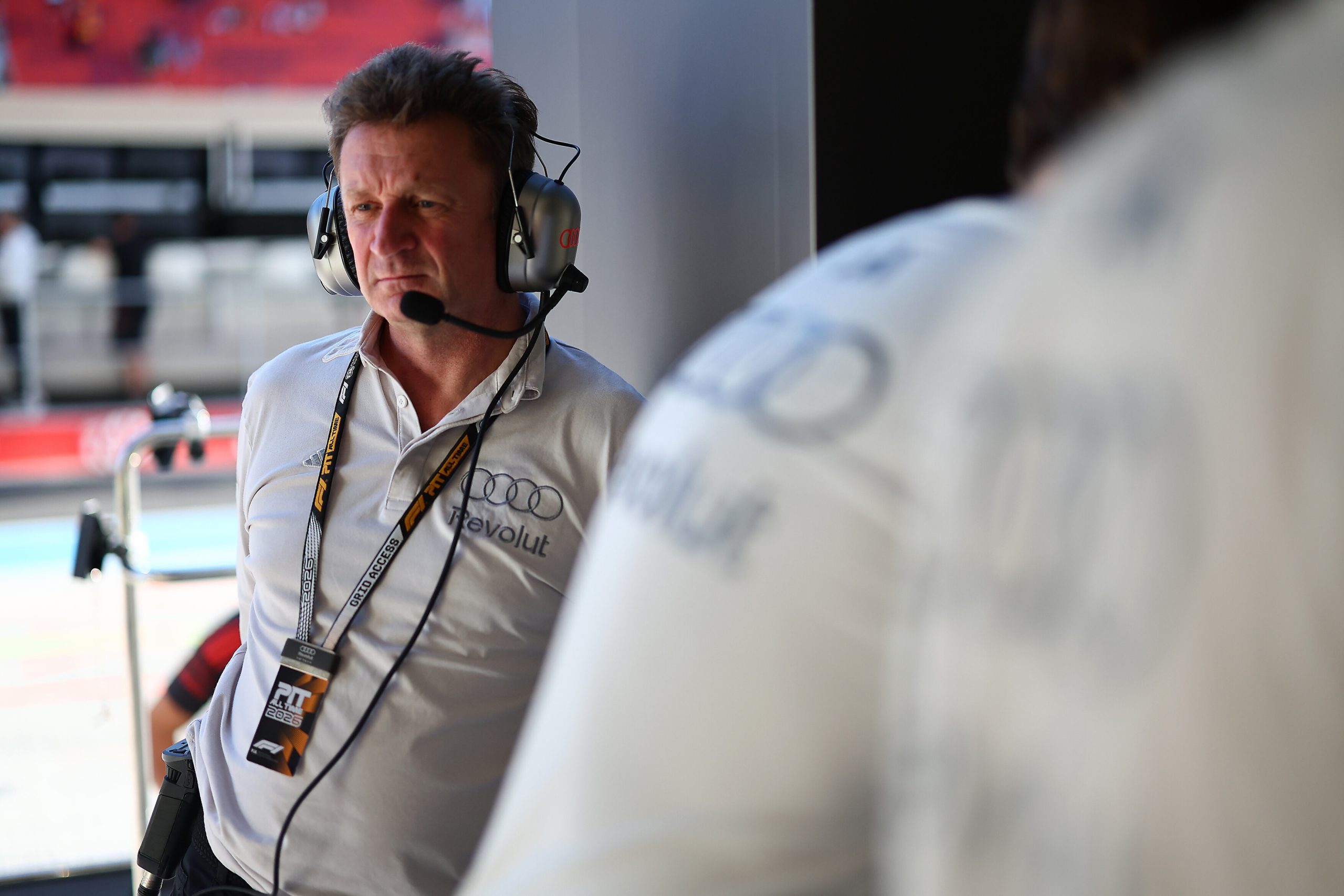
Racing director Allan McNish says Audi will not introduce another significant engine update before the end of the campaign, despite the encouraging progress made since the Barcelona Grand Prix.
The decision comes at a fascinating moment for the Hinwil-based operation. Audi’s first in-house F1 engine initially struggled to deliver consistent performance, yet a targeted update introduced in Barcelona improved drivability and helped unlock a noticeable step forward.
Since then, Gabriel Bortoleto and Nico Hülkenberg have scored points in three consecutive rounds, lifting the team ahead of Williams Racing in the constructors’ standings.
Barcelona boost, then a deliberate pause
When asked when the next powertrain upgrade would arrive, McNish was unequivocal: “It'll be next year.”
The explanation, he said, lies in Formula 1’s financial restrictions.
“Everybody has got this trade-off between when you're bringing upgrades – chassis and PU – and also where you spend your money,” the Scot explained.
“Because you can't spend everything at one time, because then you don't have anything to fight with later. So it's got to be a managed expectation, and not just over one season, but multiple seasons as well.”
©Audi
Audi used its Additional Development and Upgrade Opportunities allowance early, introducing a modest package in Spain.
“And so certainly from our point of view with the ADUO [Additional Upgrades and Opportunities for weaker powertrains], we brought something in Barcelona straight away, which was some small adaption, and that worked well, that helped us on our way,” added the three-time Le Mans winner.
“And then I would say the bigger parts are for 2027. So we will not see anything big on the power unit until then.”
Eyes already on 2027
McNish laughed when pressed on the expected gain from the 2027-spec engine.
“That’s ‘27. Give us a break. We’re only halfway through ‘26, I need my cup of tea first,” he joked.
Behind the humour was a clear message: Audi is benchmarking itself relentlessly against rival manufacturers.
“You've got where you're going, but it's also relative to the competition. And so therefore we're always benchmarking against the competition, and how quickly they move, and how quickly we can evolve,” he said.
©Audi
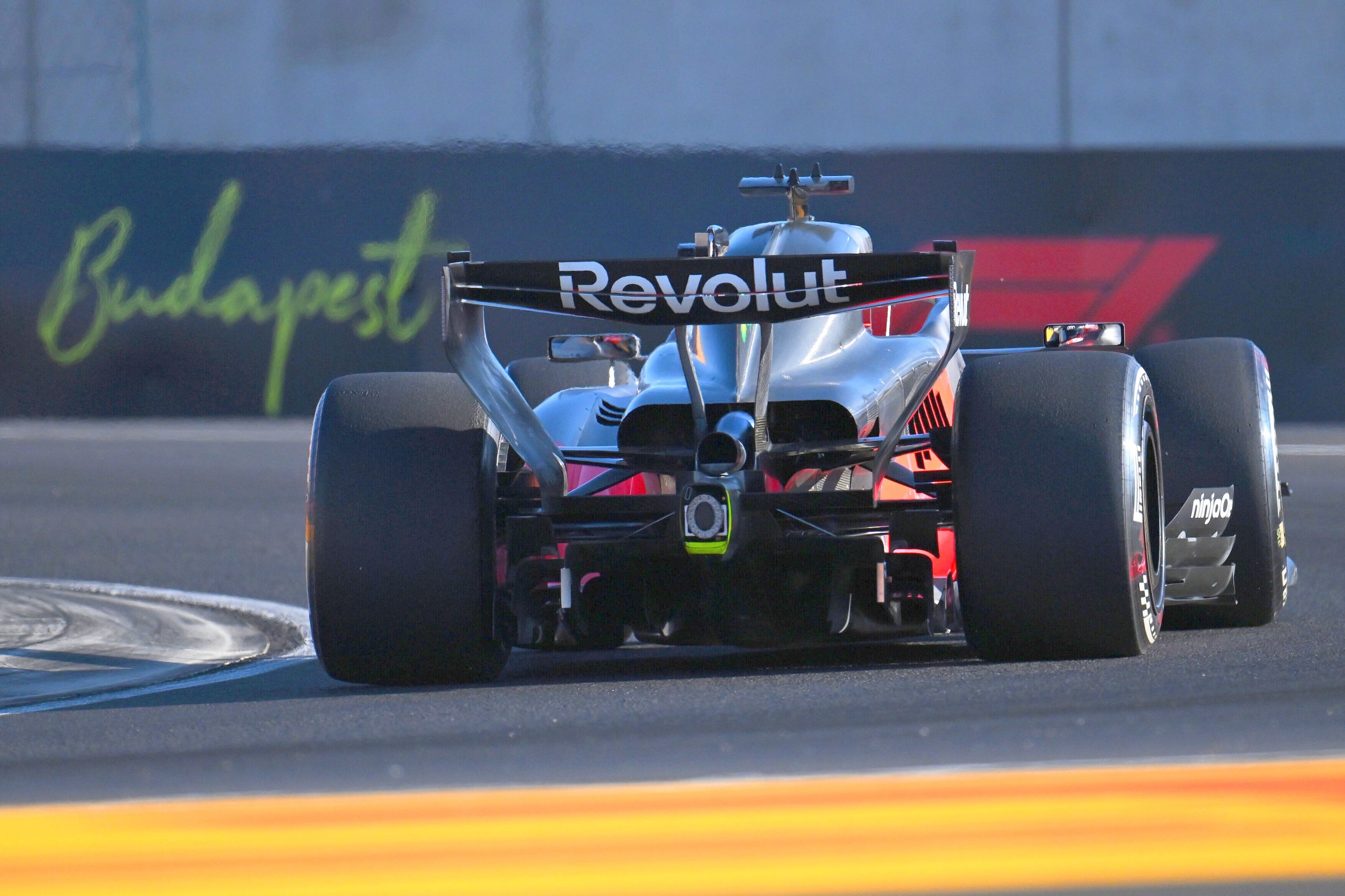
“You could see that we've evolved in our performance this year so far, which has been definitely power-unit-related as well, making sure that we try to maximise some of the systems on that, but also definitely on the chassis with the upgrades that we spoke about there.
“And so I think we've definitely done that.”
Audi still expects further gains in the second half of the season, but not through major engine hardware.
“We will do again in the second half of the year, but for the power unit that’s the ‘27 topic. It’s more hardware than anything, and that’s not a quick thing to change,” McNish concluded.
Hülkenberg’s description of the Barcelona update underlines why Audi considered it worthwhile.
The changes focused on throttle response, torque delivery and shift quality rather than outright power, the sort of fine detail that can decide whether a driver confidently attacks a corner exit or wrestles with an unpredictable car.
For Audi, the message is now unmistakable. The first phase of its Formula 1 engine project has delivered a useful step, but the real offensive has been deferred.
The remainder of 2026 will be about maximising what it already has, while the heavier engineering investment is reserved for a much bigger target: 2027.
Keep up to date with all the F1 news via X and Facebook