



Ferrari team boss Fred Vasseur has laid out the Scuderia’s approach ahead of the 2026 Formula 1 different 2026 1 season, insisting that when pre-season testing begins later this month, lap times will be far from the top of the agenda.
With the sport’s radical new regulations set to reshape both chassis and power units, Ferrari – like the rest of the grid – faces an unusually long and complex winter programme designed to prepare for a new era of lighter, smaller cars with a greater reliance on electrical power.
This regulatory reset has prompted Formula 1 to schedule three separate pre-season tests: a private five-day outing in Barcelona from 26-30 January, followed by two official sessions in Bahrain on 11-13 February and 18-20 February, before the season opens in Australia on 6-8 March.
For Vasseur, the expanded calendar changes everything about how teams must approach testing.
“We are not used to nine test days,” Vasseur told reporters last month. “The last four or five seasons, we did three. It's an advantage, but it's also a completely different programme.”
Rather than chasing headline-grabbing lap times, Ferrari’s priority will be far more fundamental.
“It means that the first target in this kind of season is to get the reliability,” he added.
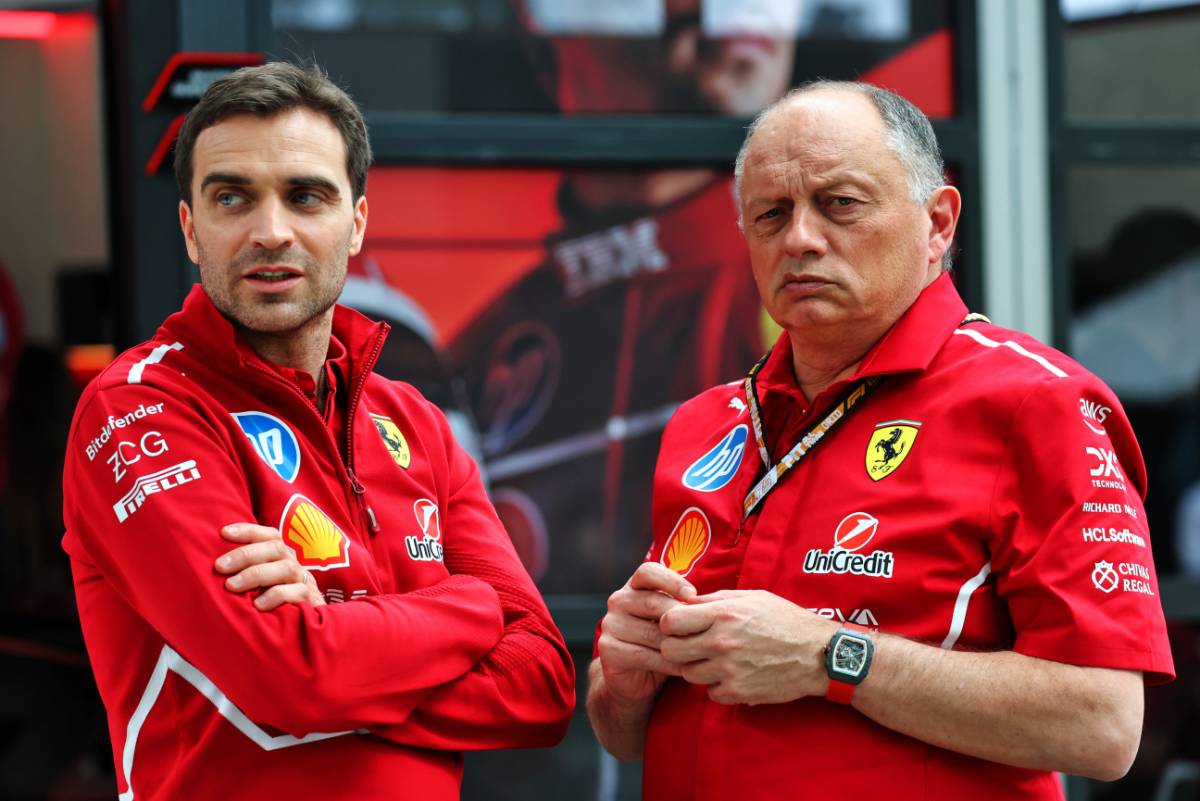
Fred Vasseur with Ferrari deputy team principal Jerome d'Ambrosio.
First we need to get mileage. It's also what we want to avoid compared to 2025, is that when we were lost at the beginning of the season with the disqualification, we lost mileage, we lost reference, and then you are running after this.”
The memory of that disrupted start still looms large in Maranello, reinforcing why Ferrari sees early testing as a chance to build a solid technical foundation rather than show its hand.
Why Barcelona Matters More Than Bahrain
The behind-closed-doors Barcelona test, in particular, is viewed as critical. With no public scrutiny and limited time before racing begins, Ferrari wants answers early.
“It's a long process,” Vasseur explained. “It means that the first focus in Barcelona will be to get mileage with the car, to understand the reliability of the car, where we have to improve and what we have to react to because if you understand something in Bahrain, you won't have time to react for Australia.”
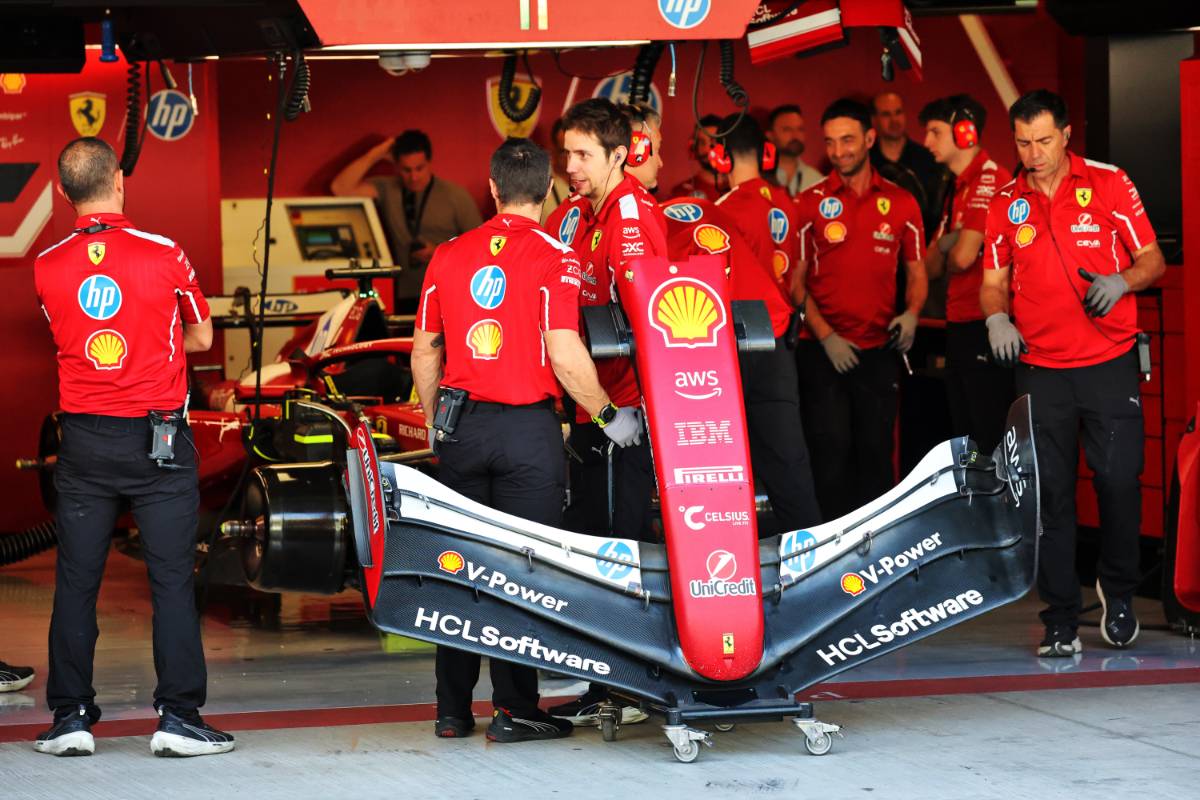
As a result, Vasseur has played down the significance of outright speed at the opening test.
“Barcelona will be, for sure, to get mileage, more than pure performance.”
He also expects the cars seen early in testing to be far from the finished product, suggesting teams will arrive “with not a mule car, but let’s say a spec A” – a baseline version that will evolve rapidly once relevant data starts flowing.
Development as Ferrari’s True Battleground
Looking beyond the first race, Vasseur believes the 2026 season will be defined less by initial results and more by how quickly teams can adapt and develop under the new rules, as Ferrari chases its first world title since the 2008 constructors’ championship.
“Next year it won't be about the first picture of the season, it won't be all about the classification of Australia, it will be a lot about development and capacity of quick development,” said Vasseur, whose team finished fourth in the 2025 standings.
In his view, patience will be essential in a campaign likely to swing back and forth as concepts mature.
“That season won't be over in Australia for sure, it doesn't matter if we are P1 or P10, but it will be a long way until the end, it will be a long way for everybody.”
For Ferrari, then, the message is clear: when the lights go green in Barcelona, the real race will be against time, reliability and understanding – not the stopwatch.
Keep up to date with all the F1 news via X and Facebook