



Ferrari may be chasing shadows in the early days of Formula 1’s new engine era – but if anyone expects a regulatory silver bullet to bring Mercedes back to earth, Fred Vasseur isn’t buying it.
As the FIA prepares to clamp down from June 1 on the so-called compression ratio loophole, much of the paddock has circled Mercedes as the outfit most likely to feel the sting.
Yet Fred Vasseur is pouring cold water on the idea that the change will suddenly reshuffle the competitive order.
No Silver Bullet in Sight
Mercedes’ clever exploitation of how compression ratios are measured – checked at ambient temperature rather than under race conditions – has been one of the worst-kept secrets of the 2026 season.
Rivals have whispered about a hidden performance edge, even as the team itself has downplayed its impact. But for Vasseur, the narrative is overcooked.
“I'm not convinced that the new compression ratio rule will be a huge game changer,” he said. “It's more that you will have the ADUO at one stage – the introduction of the ADUO will be an opportunity for us to close the gap.”
In other words, Ferrari isn’t pinning its hopes on a rule change – it’s betting on development.
The ADUO system, Formula 1’s new mechanism to help trailing engine manufacturers catch up, could prove a more meaningful lever. But even that is just one piece of a far more complex puzzle.
The real battle runs deep
Vasseur is adamant that focusing solely on engine performance would be a strategic misstep.
“But once again, it's not just about pure ICE performance,” he insisted. “I think you have a lot in the energy management, a lot in the chassis, and it would be a mistake from our side to be just focused on one parameter.”
And the numbers back him up. Mercedes has held a clear edge in qualifying – averaging around six tenths faster – while Ferrari’s race pace has flattered to deceive, aided in part by energy deployment tricks like Overtake Mode.
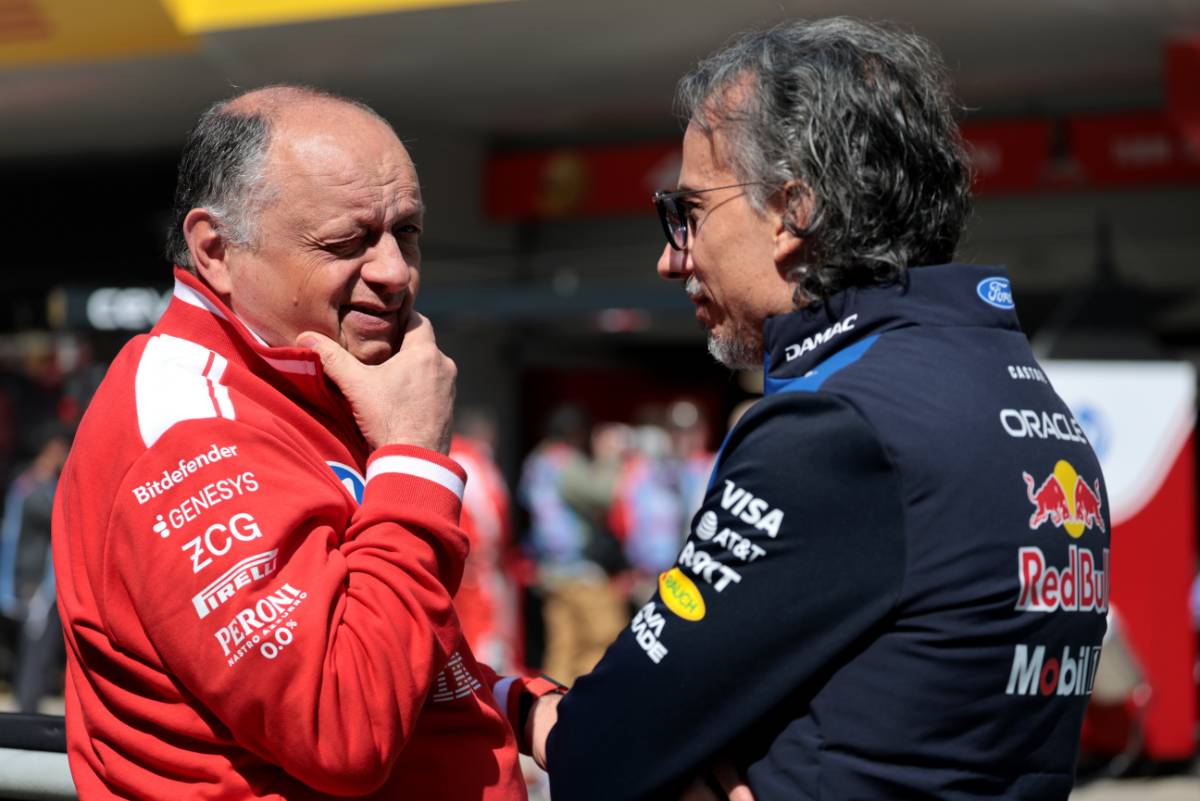
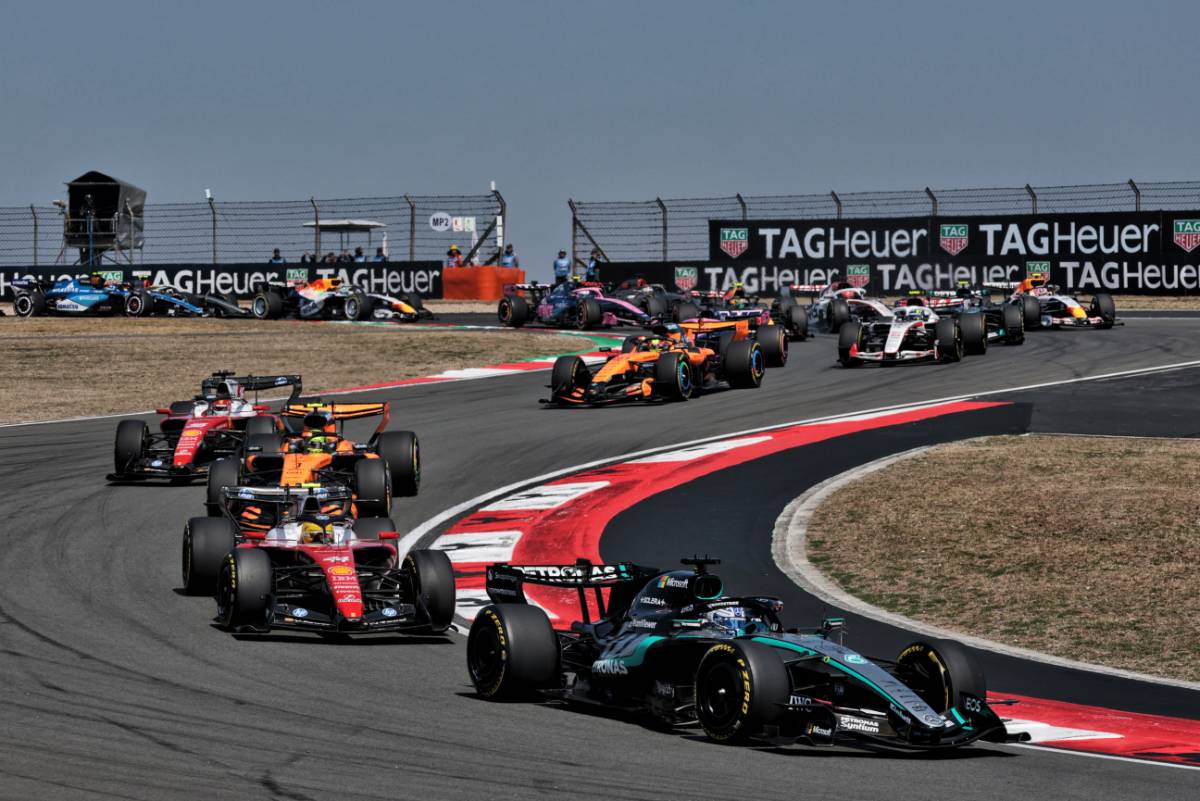
“At the beginning [of the Shanghai race] we were fighting with the Merc,” Vasseur explained. “As long as we are in the one-second [window], we can have the extra boost, and we are able to keep the pace, but as soon as they are making the one-second gap, it's much more difficult.
“We are pushing perhaps a bit more than them on the opening laps, and then after the first 10 laps of each stint, we are coming back to the four, five tenths a lap that they have.”
That gap is real – and stubborn.
“We know that we have a deficit of performance, mainly in the straight line, that we have to work on it,” the Frenchman continued.
“We are improving because we were eight tenths off in Melbourne, six tenths on Friday, four tenths on Saturday. Step by step we are understanding a bit more the situation and closing the gap, but they are still far away.
“It's not just about the engine. It means that we have to work everywhere, we have to improve on the chassis, on the tyres, like always.
“Racing didn't change, all the components of the performance are still on the table and we don't have to be focused only on one parameter, but it's a challenge.
“We know that we have to improve on the ICE – but this will be after the ADUO [evaluation] – on energy, on chassis, on aero. We are pushing like hell, on every single area to close the gap.”
For Ferrari, then, the message is clear: don’t wait for Mercedes to fall – develop a car that can beat them.
Keep up to date with all the F1 news via X and Facebook