

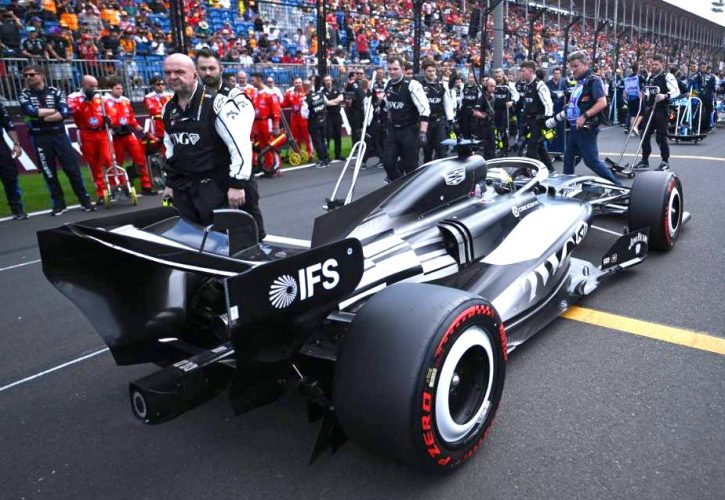


Cadillac is currently finding its feet in Formula 1 as a Ferrari engine customer, but the American outfit’s master plan for total independence is accelerating at a remarkable pace.
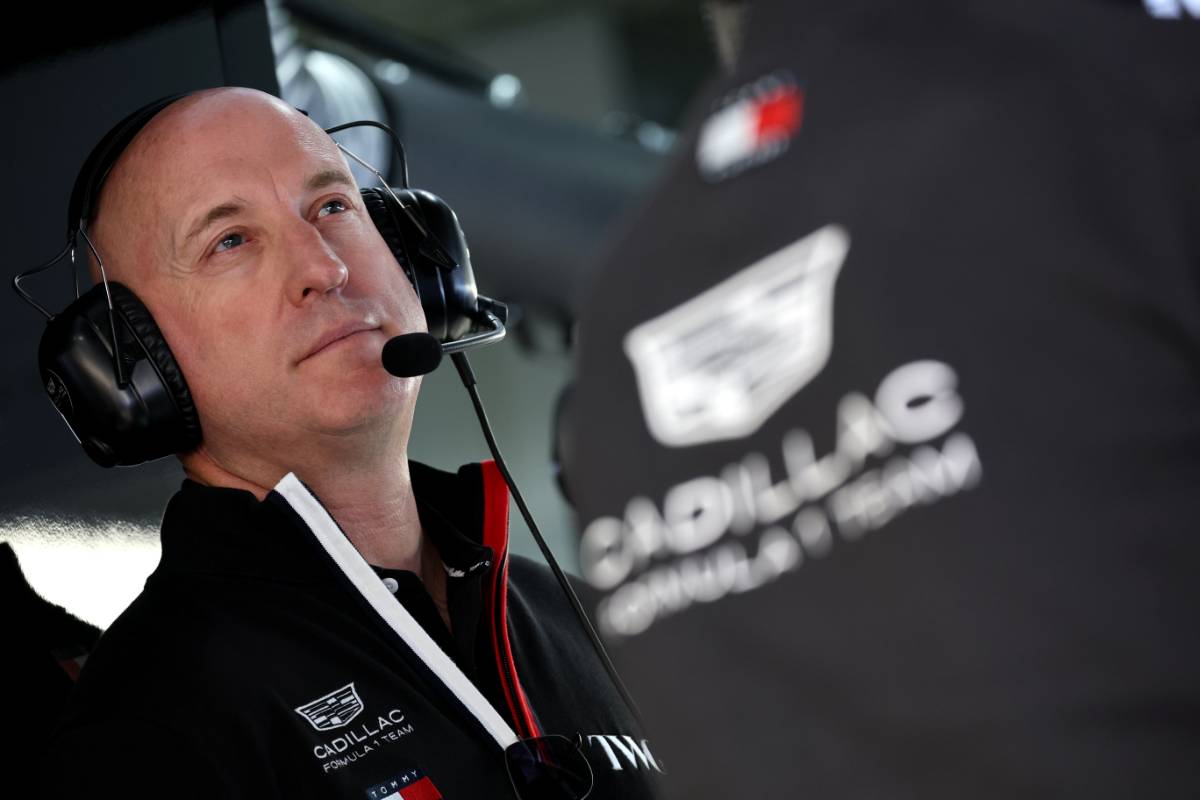
Following its historic entry into the sport this year, Cadillac F1 CEO Dan Towriss has confirmed that the manufacturer’s ambitious in-house engine programme isn't just on track – it’s actually beating its own internal deadlines.
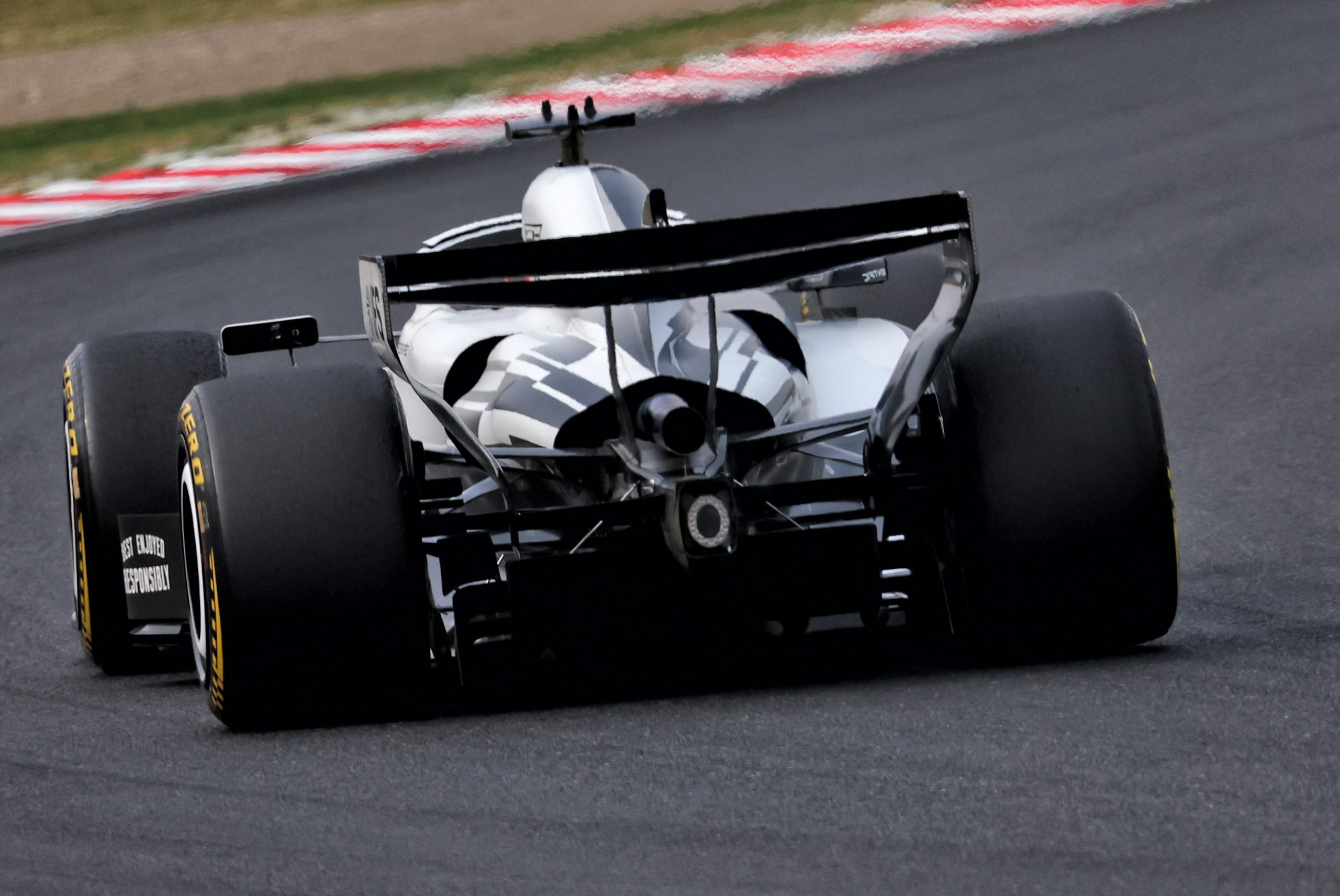
Cadillac is expected to rely on Ferrari power until the end of the 2028 season before it transitions to a full "works" outfit powered by General Motors. But according to Towriss, that reality is approaching faster than many anticipated.
“So the project is ahead of schedule, actually,” the American executive revealed, signaling a major win for the GM Performance Power Units group. “As of right now, we’re slated to bring the Cadillac PU online to compete in 2029.”
Pure American intellectual property
The shift from customer to creator is a Herculean task, particularly with the complexity of modern hybrid power units.
However, Towriss is adamant that there will be no blurred lines between their current technical partnership with Ferrari and their future as an independent manufacturer.
The project is a ground-up effort, designed to ensure that Cadillac’s identity on the grid is defined by its own engineering prowess.
“In terms of IP [intellectual property], yeah, everybody’s got to bring their own IP, right,” Towriss explained. “So Ferrari has theirs, and with the GM Performance Power Units group, that’s part of the Formula 1 team, we’re developing our own IP.
“We’re developing our own engines and bringing our own work product to the grid in Formula 1. So those are going to be completely separate. We’re going to be a customer team of Ferrari, while we’re building our PUs, and that’s going to be GM work.”
Navigating a shifting regulatory landscape
While the 2029 target is locked in, Cadillac is launching its power unit into a period of potential transition.
The current engine regulations are scheduled to remain in place through 2030, meaning the GM unit might only have two seasons of competition before a rumored 2031 regulation shift.
Despite the massive investment required for a potentially short-lived engine cycle, the team remains steadfast in its mission.
“There’s some developing PU regulations as well, so we’re keeping a close eye on all of that. But in terms of this current reg set, we’re on schedule to have a power unit for 2029,” Towriss noted.
When questioned on the financial logic of the move, his focus remained on the brand's long-term competitive spirit.
“Like I said, we’re really following the conversation on the regs, closely. It’s possible that the regulations could change before 2031. It’s possible that they don’t change before 2031.”
For Towriss and the Cadillac hierarchy, the priority is simple: getting an American heart into the back of their cars as soon as humanly possible.
“Regardless of the funding, I think it’s important that we see a Cadillac power unit on the grid as soon as possible. That’s really the main focus, from my standpoint,” he emphasized.
“If there are ways to speed it up, we will. But right now, the focus is still 2029.”
As the team prepares for its first home-soil appearance at the Miami Grand Prix this May, the buzz surrounding Cadillac is no longer just about their arrival – it’s about the roaring future they are building behind closed doors.
Keep up to date with all the F1 news via X and Facebook