



As Formula 1 grapples with the unintended consequences of its new-era regulations, David Coulthard has zeroed in on one of the latter’s most contentious issues: the unpredictable speed differentials between cars harvesting battery energy and those deploying it.
While the debate following the first three races of the 2026 season has so far largely centred on racecraft and spectacle, Coulthard has reframed it in far more serious terms – driver safety.
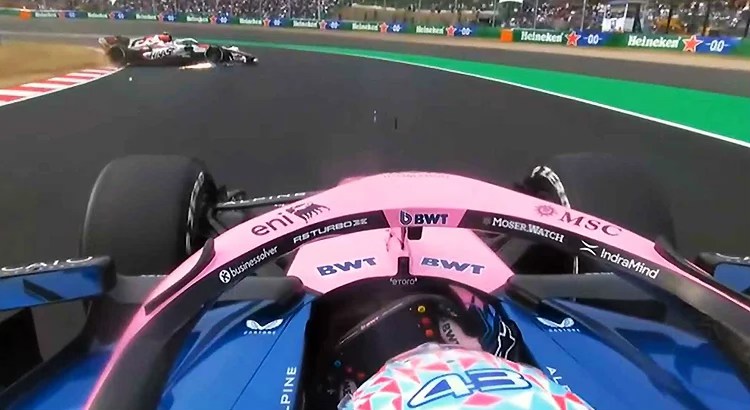
And the concern is not theoretical. The incident involving Oliver Bearman and Franco Colapinto at Suzuka last time out has already illustrated the risks.
Forced to react to a slower car ahead, Bearman lost control at high speed and crashed heavily, underlining how quickly situations can escalate when closing speeds spike dramatically.
A blind spot at full speed
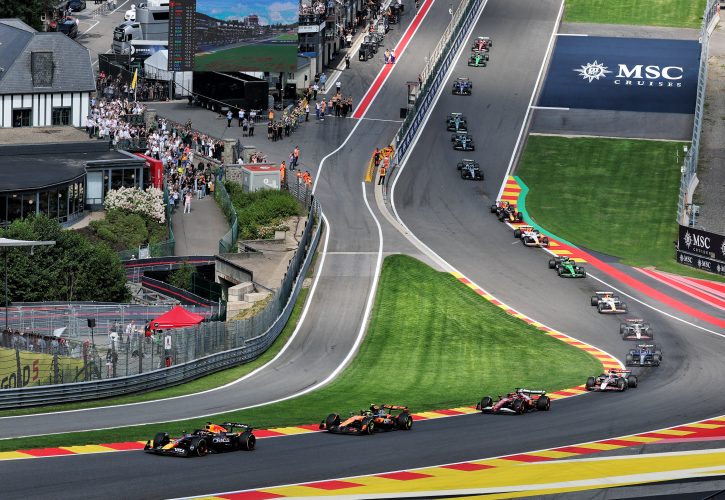
For Coulthard, certain circuits amplify that danger exponentially. Chief among them is Spa-Francorchamps, where visibility and elevation changes combine to create one of the most iconic – and unforgiving – sections in motorsport: Eau Rouge and Raidillon.
“There are certain corners that almost should be exempt from being able to harness. Because you’re just so used to them,” Coulthard said on the Up To Speed podcast.
“Like up through Eau Rouge in Belgium. One of the most iconic corners in the world, there are points where you cannot see as you go over the rise if there’s a car on the other side.
“So it should be exempt from being able to harness.”
His argument is simple but pointed: drivers rely on predictability in high-speed sections where sightlines are compromised. Introducing sudden speed disparities – upwards of 30 to 40 mph – creates a scenario where reaction time becomes dangerously limited.
“I don’t know why they would, but by way of example, you just can’t catch people out. With a closing speed of 30/40 miles an hour, that’s just very dangerous,” the 13-time Grand Prix winner said.
Racing spectacle vs racing reality
Beyond safety, Coulthard also questions whether the new system is delivering better racing at all. While overtaking numbers may be up, he suggests the quality of those moves – and the skill required to execute or defend them – has been diluted.
“It’s not about how many overtakes, it’s not about how many baskets scored, how many goals. It’s the sense of watching something world-class and spectacular,” he said.
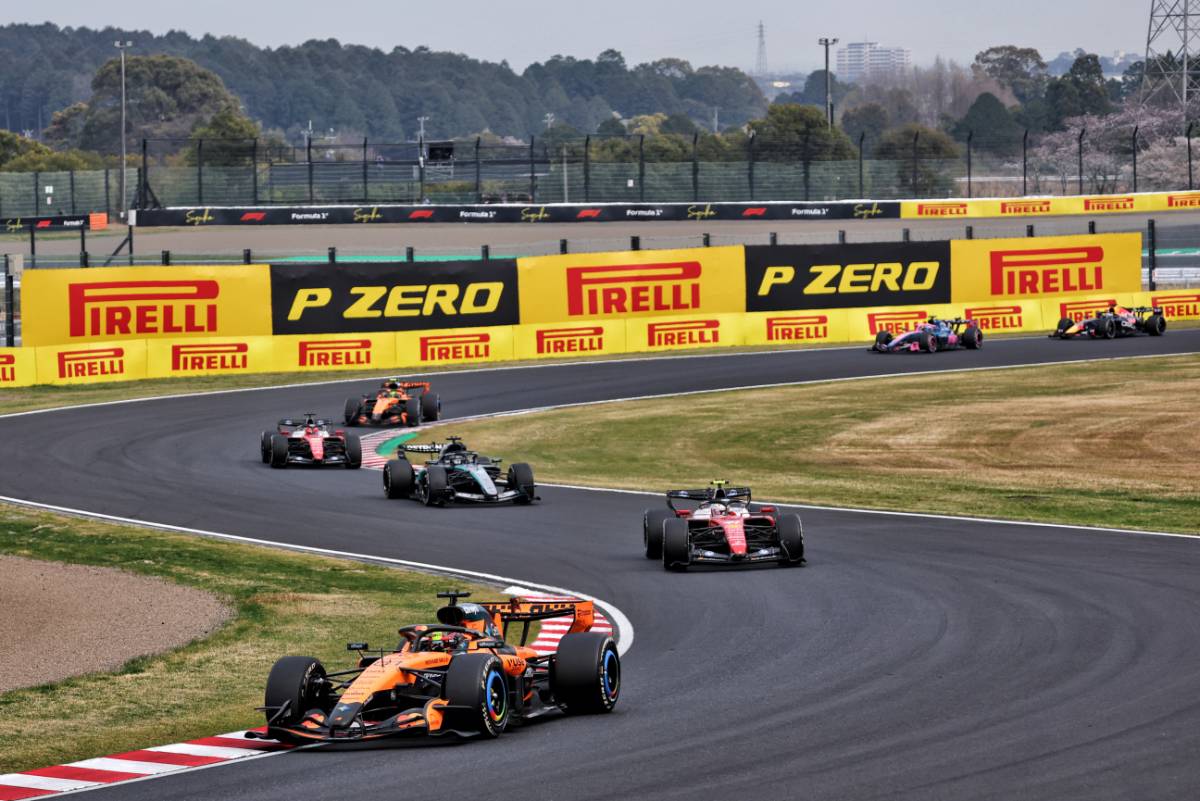
“And this pass and repass, we saw several people overtaking into the chicane, much more than we would normally do in previous Grands Prix there, and then as sure as they’ve got a battery, then it gets deployed on the start-finish.
“There were some exciting, close moments in the first corner. But the overtake is happening. You just can’t defend against the indefendable [sic].”
The implication is clear: Formula 1 risks trading authentic, edge-of-the-seat competition for a more artificial, energy-management-driven spectacle – one where outcomes hinge less on driver brilliance and more on deployment timing.
Incremental fixes, urgent questions
To the FIA’s credit, adjustments have already begun. Tweaks to energy harvesting limits in qualifying signal a willingness to respond. But for Coulthard, this must be part of a broader, more decisive rethink.
“It was always going to be a little bit painful to start with when you deploy a completely new set of regulations. But over time, it will improve,” he believes.
“And we saw the FIA react by changing the harvesting that was allowed during qualifying to reduce the reduction in speed through the high-speed corners.
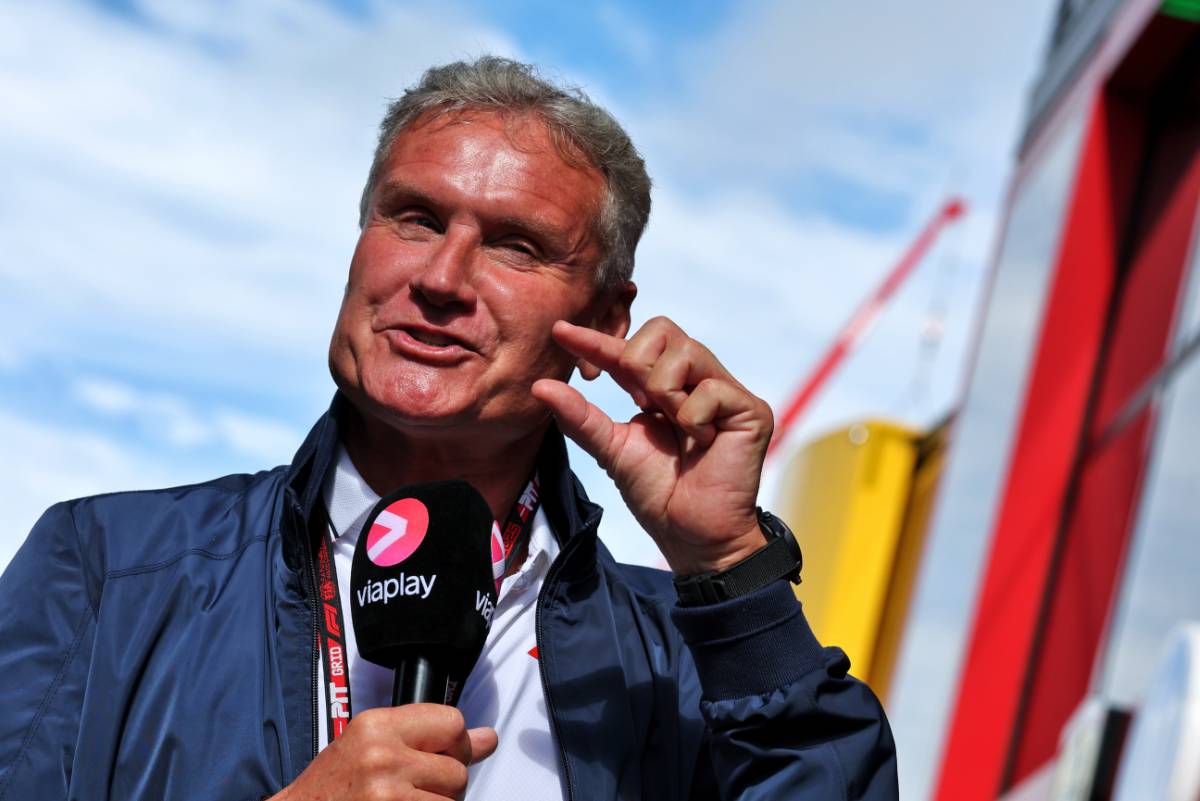
F1 commentator David Coulthard.
“But, I want to see a qualifying lap that makes me go, ‘Wow’. Human being and car on the edge of adhesion everywhere. Not on a fantastic harnessing and deployment lap.”
The Scot’s proposal – restricting energy harvesting in specific high-risk corners – cuts through the complexity. It’s a targeted fix aimed at preserving both safety and the essence of Formula 1.
Because if the sport continues down its current path unchecked, the question may no longer be about entertainment – but about whether it has ignored the warning signs in plain sight.
Read also: FIA, manufacturers open ‘constructive dialogue’ on F1 engine rules
Keep up to date with all the F1 news via X and Facebook