



Former Ferrari engineer Rob Smedley has delivered a bleak assessment of the Italian outfit's Miami upgrade package, warning that the Scuderia could now be entering a damaging technical spiral after another deeply disappointing weekend for the Italian team.
The optimism that surrounded Ferrari’s long-awaited Miami upgrade package did not survive the weekend.
Instead, what was supposed to mark a turning point quickly dissolved into another uncomfortable examination of where the team truly stands – and according to Smedley, the consequences may stretch far beyond one disappointing result.
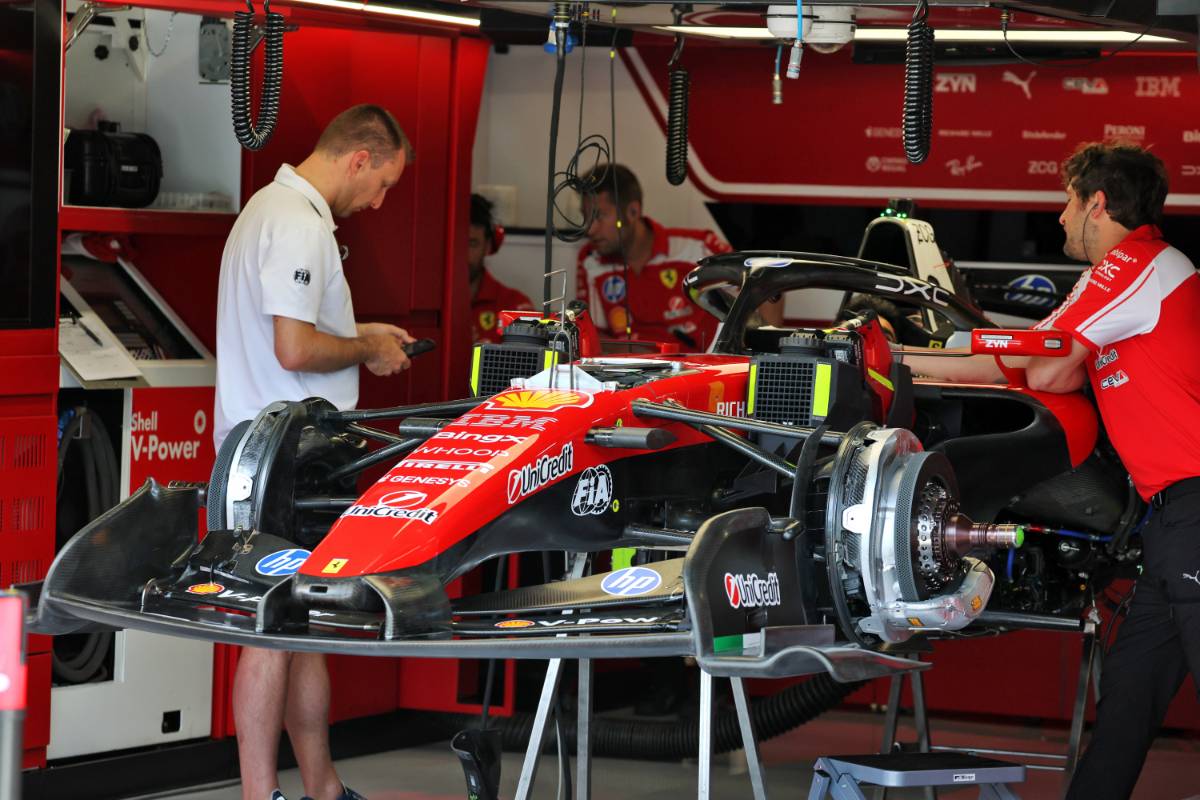
Ferrari arrived in Miami carrying expectation and urgency in equal measure. The package introduced by the Italian outfit had been heavily anticipated internally and externally, and viewed as a crucial opportunity to close the gap to the front.
But by Sunday evening, the mood had darkened considerably.
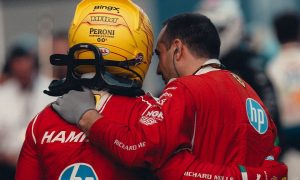
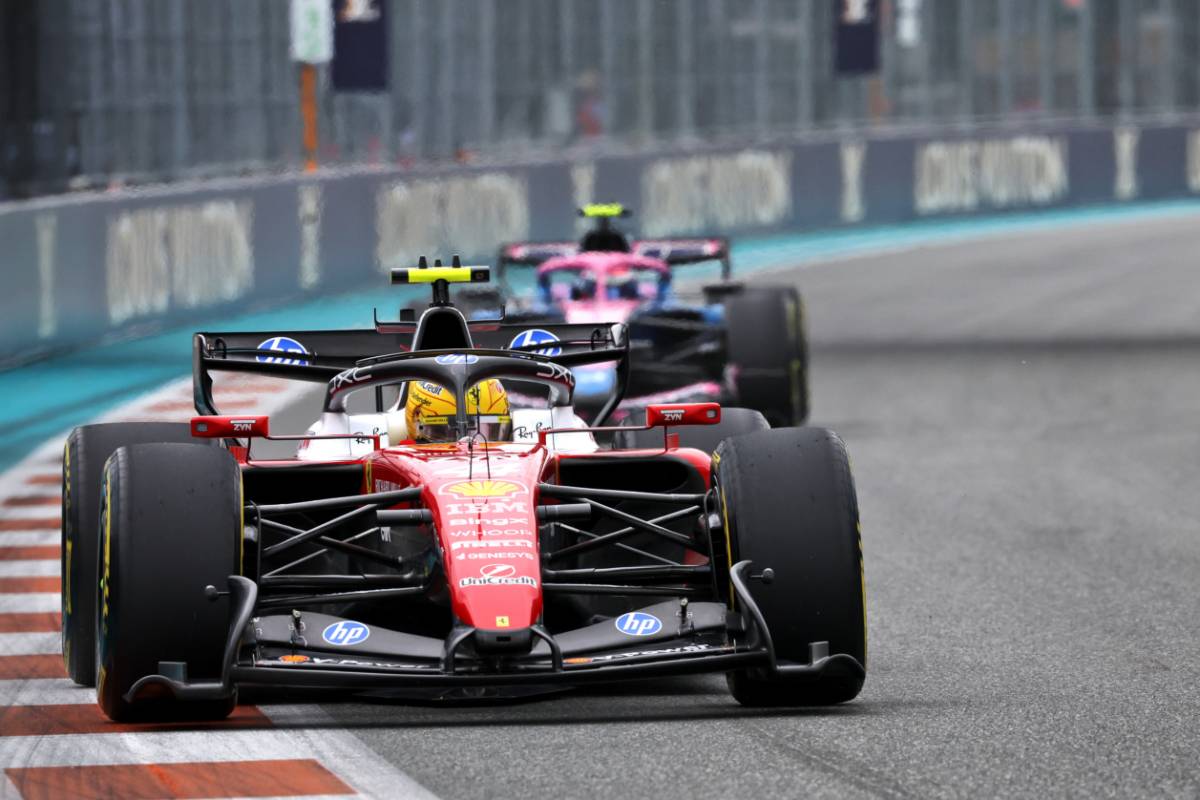
Lewis Hamilton crossed the line only sixth, while Charles Leclerc slipped to eighth after a post-race penalty. More concerning than the finishing positions themselves was the underlying reality: Ferrari still looked well adrift of both Mercedes and McLaren despite bringing significant new parts to the car.
For Smedley, who spent nearly a decade inside Ferrari’s engineering structure, the warning signs are deeply familiar.
“It's slightly soul-destroying because it starts from a technical point of view. It starts essentially this negative loop that you've then got to [dissect]. What did you bring? What's working? What's not working?” the Briton told the High Performance Podcast.
"If it's not correlating, as in the wind tunnel or your simulation tools are not matching what's on track, you've then got to do this whole reverse engineering process where you go back to the tunnel, and that holds up all of the development in the tunnel that you should be doing.”
Ferrari’s bigger fear: correlation problems
Smedley’s concern cuts to one of Formula 1’s most dangerous technical traps.
When upgrades fail, teams can usually recover. But when simulation tools, wind tunnel data and real-world performance stop aligning, development itself begins to slow down. Engineers stop pushing forward and instead begin retracing their own steps, desperately trying to understand what went wrong.
Former Aston Martin and Alpine team boss Otmar Szafnauer fears Ferrari may now be entering exactly that territory.
“There are two things that happen,” he said. “You have finite resources, and now you're putting those resources on correlation, not making the car go faster.
“And the reason you're doing that is because if you don't have good correlation, it's only luck that you make the car go faster, right?
“So you've got to fix that, if that's what their issue is, first and foremost. But the same engineers who would be looking at on-track performance are now looking at correlation issues.
"There are some different teams that have different groups, but when I was at Aston and Racing Point and Force India, we had a pretty big APG group, which is an aero performance group, and they were the people who would look at correlation, mainly, not so much development but correlation,” Szafnauer continued.
"When I went to Alpine, they had like three. That was one of the things I thought to myself as not being enough. If you've got perfect correlation, no problem. But if you wake up and you don't and you only have three people in APG, you're going to struggle.
"Then what happens is just what I described. You get your aerodynamicist looking at correlation, and now they're not looking at making the car go faster. So it is a problem."
A familiar Ferrari spiral
That is the uncomfortable shadow hanging over Ferrari now.
The team did not simply fail to unlock a dramatic leap forward in Miami; it may have opened the door to something more damaging – uncertainty. In Formula 1, uncertainty can quietly consume weeks of development time, drain confidence inside technical departments and leave teams chasing explanations instead of lap time.
For Ferrari, the timing could hardly be worse.
Rivals are accelerating. McLaren’s upgrades transformed their Miami weekend, Mercedes continues to gather momentum, and Red Bull is playing catch-up.
And now, instead of talking confidently about the next evolution of the car, Ferrari risks entering the kind of technical soul-searching Smedley knows all too well from his years in Maranello.
That is why his choice of words felt so heavy. “Soul-destroying” was not just a description of one bad weekend. It sounded more like an ominous warning.
Keep up to date with all the F1 news via X and Facebook