



Formula 1's simmering debate over multi-team ownership could be heading toward a defining moment – and intriguingly, Red Bull appears willing to support reforms that may ultimately limit the advantages of its own structure.
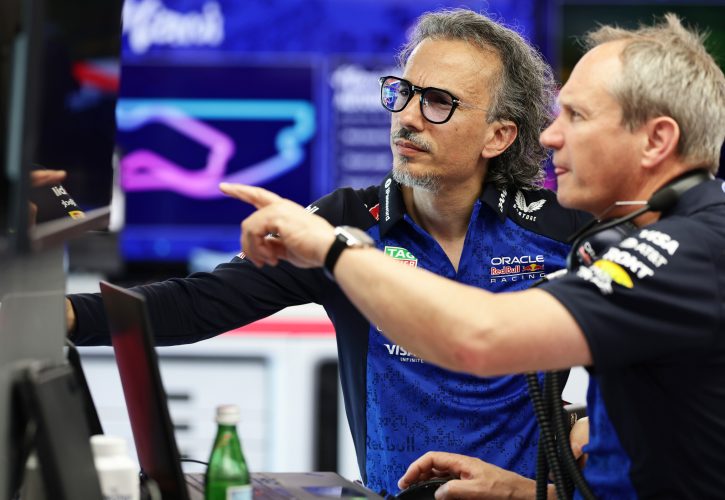
As scrutiny intensifies over the relationship between Red Bull Racing and sister outfit Racing Bulls, team principal Laurent Mekies has signaled that the Milton Keynes-based powerhouse would not stand in the way of additional measures designed to strengthen competitive independence across the grid.
The comments come at a time when Formula 1 is wrestling with a fundamental question: how closely should teams be allowed to work together in an era where competitive fairness is under increasing examination?
That discussion has gained fresh momentum following calls from McLaren CEO Zak Brown for tighter regulations governing strategic alliances and multi-team ownership arrangements.
Brown's concerns have been fueled by examples such as Red Bull's ability to move personnel between its teams, a flexibility rivals argue is not available to organizations operating without affiliated outfits.
Against that backdrop, Mekies struck a notably conciliatory tone, suggesting Red Bull would support further safeguards if the sport collectively believed they were necessary.
Red Bull signals willingness to embrace change
Speaking at the recent Canadian Grand Prix in Montreal, Mekies emphasized that the ultimate objective remains clear regardless of ownership structures.
"We all want 11 teams racing independently on track, and we have made many steps as a sport in recent weeks, in recent months, in recent years, to try to ensure more and more independence from every team racing on track," he told reporters, quoted by RacingNews365.
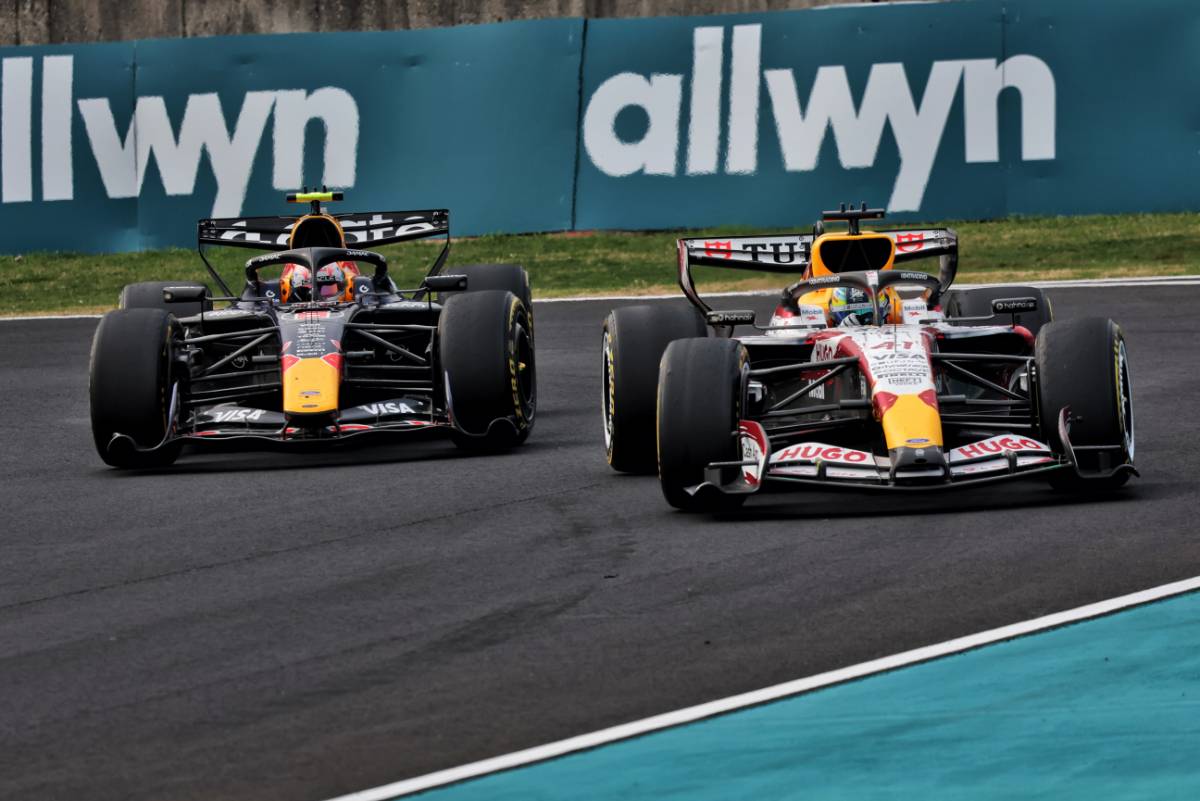
The statement is significant because it acknowledges a growing desire within Formula 1 to ensure that every team competes as a genuinely standalone entity, even as commercial and technical partnerships become increasingly common.
Mekies went further, indicating that Red Bull would not oppose additional reforms should rival teams or governing bodies push for them.
"If any stakeholders, let it be another team or anyone else, would feel that more steps are needed to ensure 11 teams racing independently, we would support,” he said.
That stance could prove influential in future discussions, particularly given that Red Bull's current ownership model places it at the center of the debate.
Looking beyond ownership
While critics often focus on Red Bull GmbH's ownership of two Formula 1 teams, Mekies argued that the issue is far broader than a simple examination of who owns what.
"We don't think it’s a matter of core ownerships or strategic supply; we think there are very many different ways in which teams are collaborating in the pit lane."
The Red Bull chief pointed to the complex web of relationships that already exists throughout the paddock.
"As I said, power unit supply, gearbox supply, suspension supply, partial ownerships, full ownerships,” he said.
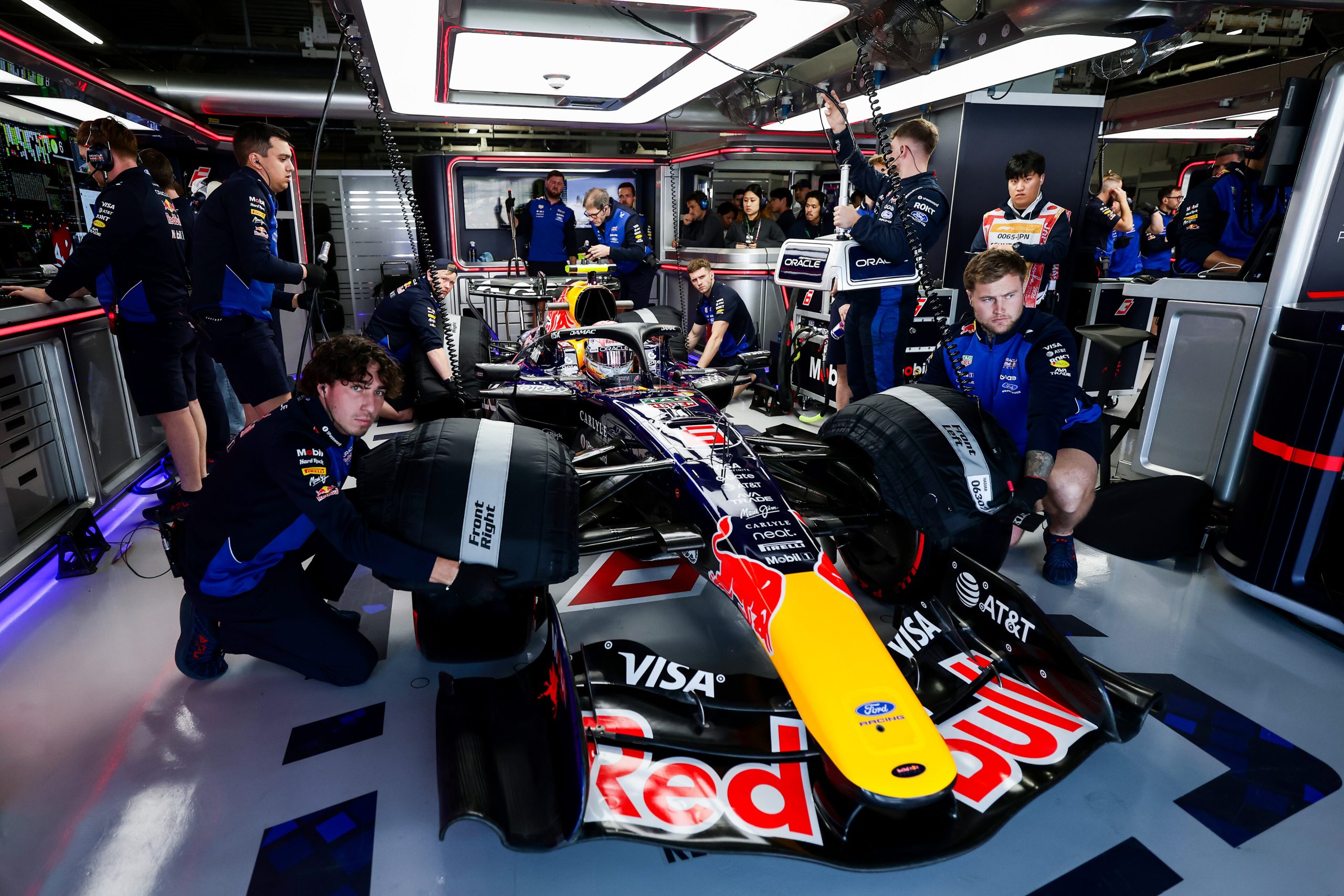
His remarks suggest that any future regulatory overhaul would need to address Formula 1's wider ecosystem of technical and commercial partnerships rather than focusing solely on one ownership model.
Notably, however, Mekies stopped short of entertaining the possibility of Red Bull divesting Racing Bulls, an option that is not currently under consideration by the energy drink giant.
Instead, he reiterated that the company's priority is ensuring that competition remains genuine and transparent regardless of how teams are connected behind the scenes.
"We are completely supportive to take any further step to ensure that, regardless of our strategic partnership or regardless of our ownership structure, that we race independently on track,” the Frenchman explained.
For Red Bull, the message is clear: the team believes the current framework already delivers sporting independence, but it is prepared to engage with any future reforms if the sport decides more safeguards are needed.
"We feel that is the case today. We will regardless completely encourage any further steps that we feel is needed as a sport,” Mekies concluded.
Whether those words become the foundation for meaningful regulatory change remains to be seen.
But as Formula 1's competitive landscape grows ever more interconnected, the debate over independence is unlikely to disappear – and Red Bull has now indicated it is willing to be part of whatever solution emerges, even if it means rethinking elements of its own successful model.
Keep up to date with all the F1 news via X and Facebook