



Formula 1’s ongoing debate over its future power unit regulations remains unresolved after Tuesday’s F1 Commission meeting failed to secure agreement on proposed engine changes for 2027, highlighting the political and technical challenges surrounding the debate.
The meeting had been expected to advance discussions on a revised power unit balance that would slightly increase the role of the internal combustion engine compared to the framework set for 2026.
However, despite earlier indications of broad support in principle, stakeholders were unable to reach consensus on how such changes should be implemented.
Power unit debate remains divisive
The proposed adjustments have exposed differing priorities among manufacturers. While some teams and drivers have expressed support for modifying the engine formula, power unit suppliers remain divided over the technical and financial implications.
Questions persist over the most appropriate approach to fuel-flow regulation changes, with several technical pathways still under consideration.
Manufacturers have also raised concerns that any revision could require additional hardware development, potentially creating reliability challenges and increasing costs.
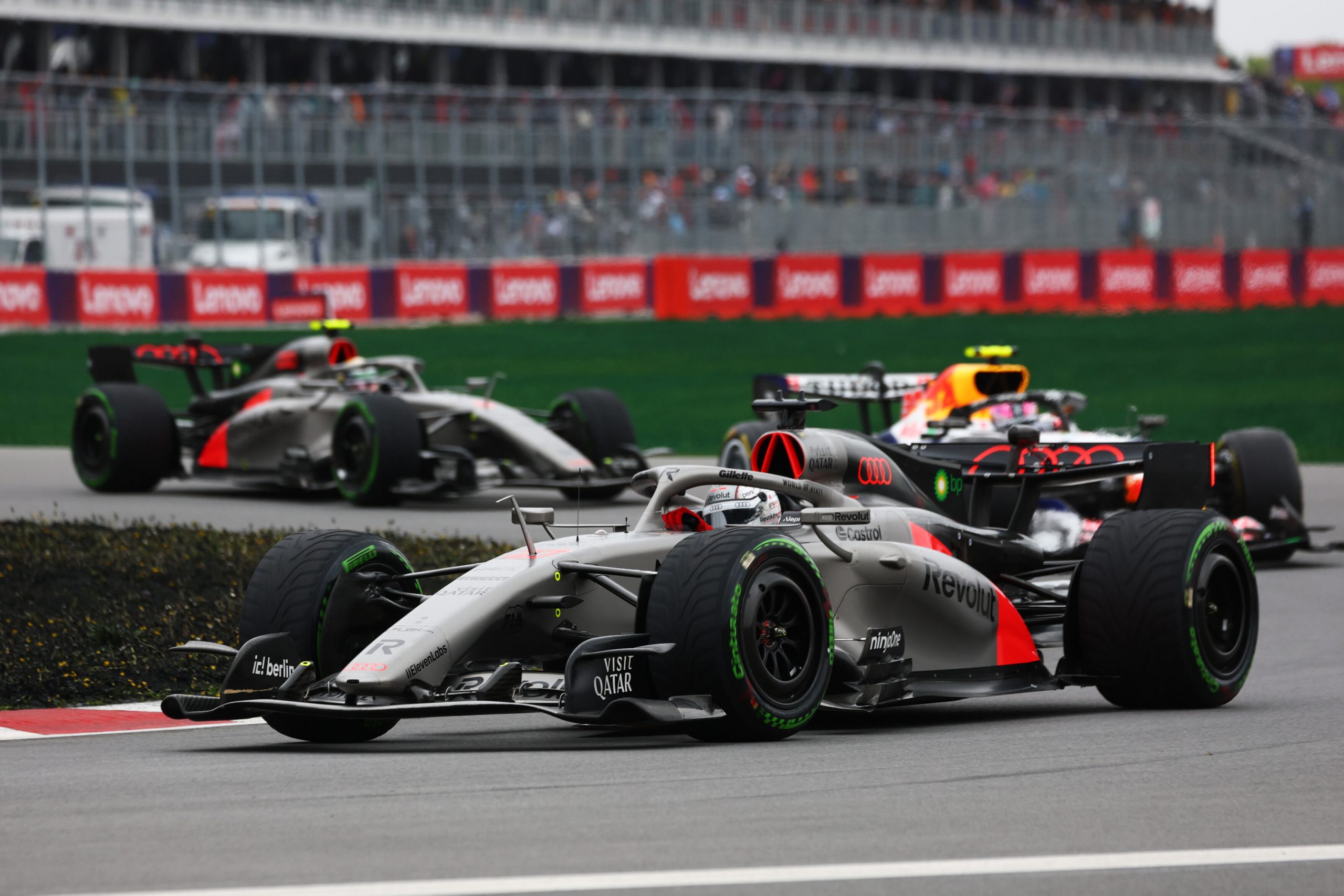
The issue is particularly sensitive because any modification would require approval from a supermajority of manufacturers. With competing interests among engine suppliers, a breakthrough appears no closer despite growing calls for clarity ahead of the 2027 season.
Testing expansion and new TPC restrictions approved
While the engine discussions stalled, the Commission did approve several smaller regulatory changes.
Teams agreed to add an extra day of pre-season testing next year, expanding the programme from three to four days. The venue has yet to be confirmed, although Bahrain remains the leading candidate.
Minor amendments to aerodynamic and bodywork regulations were also ratified.
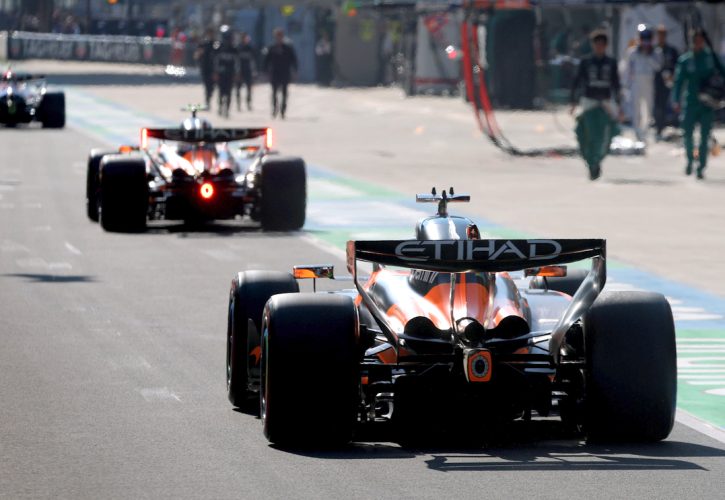
In addition, Formula 1 tightened its rules governing Testing of Previous Cars (TPC). The revised regulations will prevent teams from using such sessions to gather data at circuits scheduled to host upcoming Grands Prix.
The changes are intended to ensure TPC running remains focused on driver development rather than providing a competitive advantage.
Discussions also continued regarding measures to avoid costly chassis redesigns next season, including the possibility of slightly shortening some race distances and limiting reconnaissance laps to the grid.
For now, however, the sport’s most contentious issue—the future shape of its power units—remains firmly unresolved.
Keep up to date with all the F1 news via X and Facebook