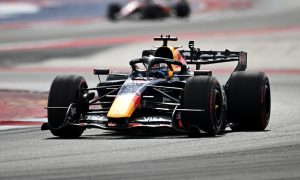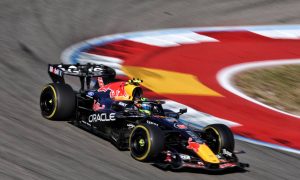


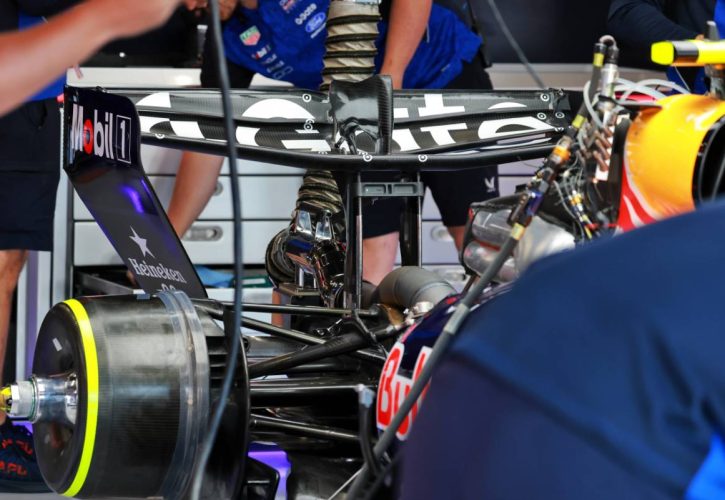


Red Bull has opted for caution over innovation ahead of this weekend’s Belgian Grand Prix after two alarming rear-wing failures left Max Verstappen fighting to keep his car out of the barriers.
Following back-to-back incidents that derailed the Dutchman's weekends in Austria and Britain, the Milton Keynes squad has abandoned its ‘Macarena’ rotating rear wing – for now – and will return to the conventional specification it began the 2026 Formula 1 season with.
The decision comes as a welcome dose of relief after growing concerns over the reliability of Red Bull's ambitious design, which was introduced earlier this year in a bid to maximise straight-line performance.
The concept, featuring a rotating rear-wing flap that activates in straight-line mode, promised aerodynamic gains but instead produced two costly and potentially dangerous failures.
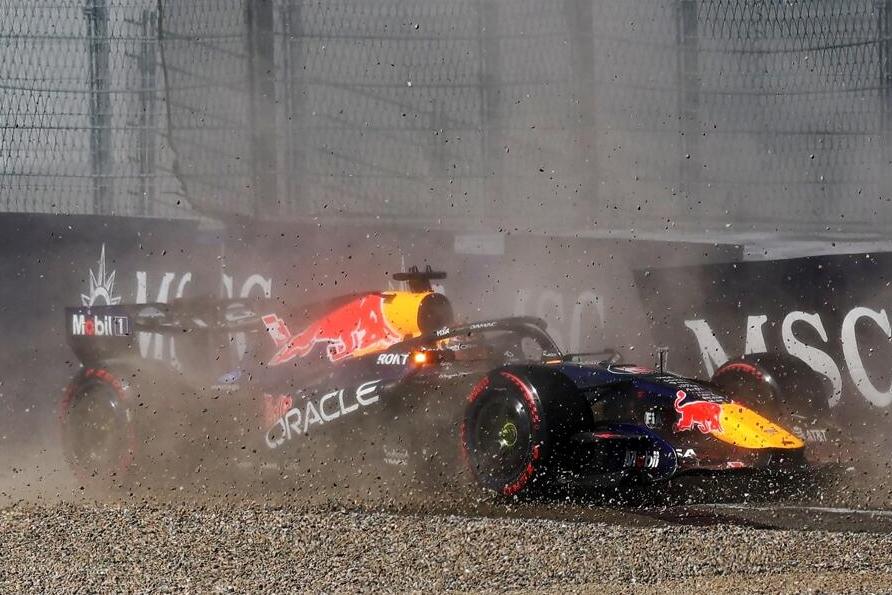
Verstappen's first scare came during qualifying for the Austrian Grand Prix, when the rear wing failed to return to its normal position, triggering a heavy crash. Just one race later at Silverstone, history repeated itself as another malfunction sent the reigning world champion spinning into the gravel at Stowe.
Those incidents left little doubt that Red Bull needed to act swiftly.
Verstappen welcomes return to familiar configuration
Ahead of this weekend's race at Spa-Francorchamps, Verstappen confirmed the team has decided to shelve the problematic rear wing while engineers work on a safer and more reliable version.
"We'll go back on the old one and see when the latest one is ready again to be used," he told reporters on Thursday.
©X.com
Although Red Bull has no intention of abandoning the concept altogether, the priority has shifted firmly towards resolving the reliability issues before the upgraded design returns to the track.
Engineers at the team's Milton Keynes headquarters are understood to be working through a series of modifications after Verstappen previously described the failures as a "dangerous" problem.
The setbacks have also attracted the attention of Formula 1's governing body, with the FIA examining the rotating rear-wing concepts developed by both Red Bull and Ferrari.
While Ferrari's version has so far operated without issue after an extensive development programme, Red Bull's experience has highlighted the risks that can accompany aggressive technical innovation.
McLaren has also explored a similar solution but chose to delay introducing its own design after determining it required further refinement.
For Red Bull, however, the immediate objective is clear.
Rather than gambling on unproven performance, the team has chosen the reassurance of a proven package, giving Verstappen a more dependable car as he looks to put two unsettling weekends firmly behind him.
Keep up to date with all the F1 news via X and Facebook