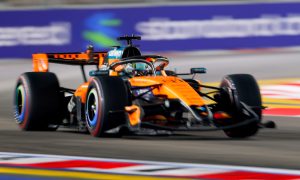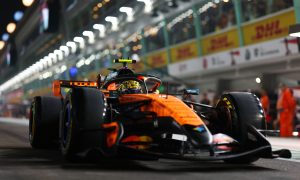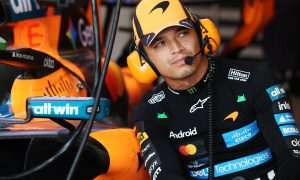


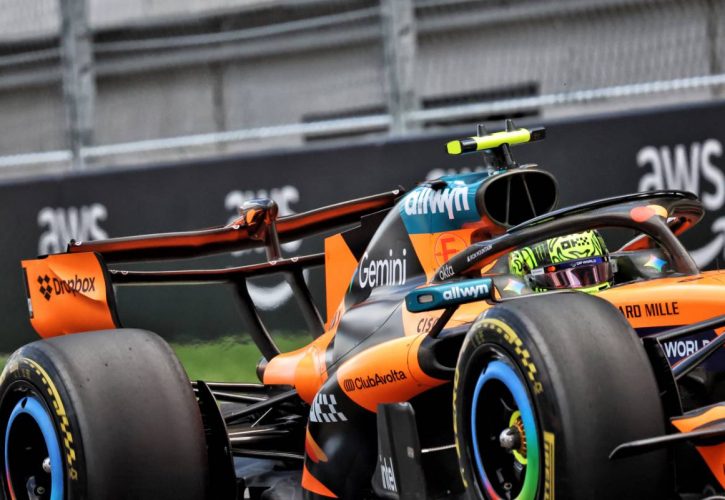


McLaren’s latest technical gamble has emerged from Budapest carrying a powerful seal of approval from team principal Andrea Stella.
After evaluating its experimental rotating rear wing during the Hungarian Grand Prix weekend, the McLaren boss has confirmed that the innovative concept will now progress from trial status to future race appearances on the MCL40.
The so-called “Macarena” wing, first pioneered by Ferrari earlier this season before being adopted in various forms by Red Bull, is designed to rotate fully when straight-line mode is activated. By reducing drag and briefly generating a small amount of lift, the device aims to improve aerodynamic efficiency and ease the load on the power unit.
McLaren arrived at the Hungaroring with its own interpretation of the concept, and the initial verdict has been sufficiently encouraging for Stella to give the project the green light.
Positive signs in Budapest
The McLaren chief explained that the track data gathered during the weekend had been particularly valuable and ultimately decisive.
“It’s been a complicated project, which was no surprise,” Stella said after Friday’s running in Hungary.
“It’s been a positive sign-off of this concept, and we look forward now to introducing this concept at some future events.”
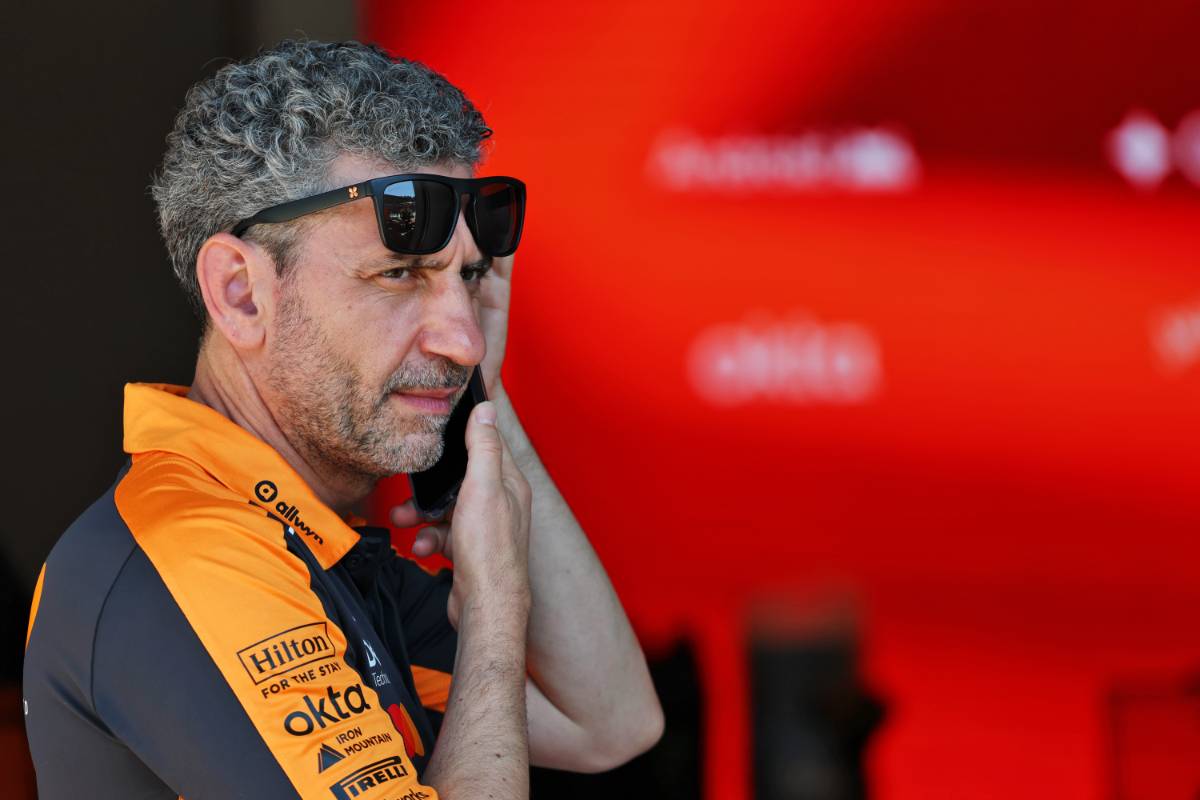
That statement signals a clear shift from experimental evaluation to planned deployment, with circuits featuring long straights such as Monza or Baku emerging as likely candidates for the wing’s race debut.
Track data trumps theory
One notable distinction between McLaren’s version and Ferrari’s design is the direction in which the wing rotates. Ferrari’s design flips rearward, while McLaren’s rolls forward in a manner similar to Red Bull’s.
Some observers have suggested that such differences may be rooted in the characteristics of each team’s wind tunnel, but Stella firmly rejected that theory.
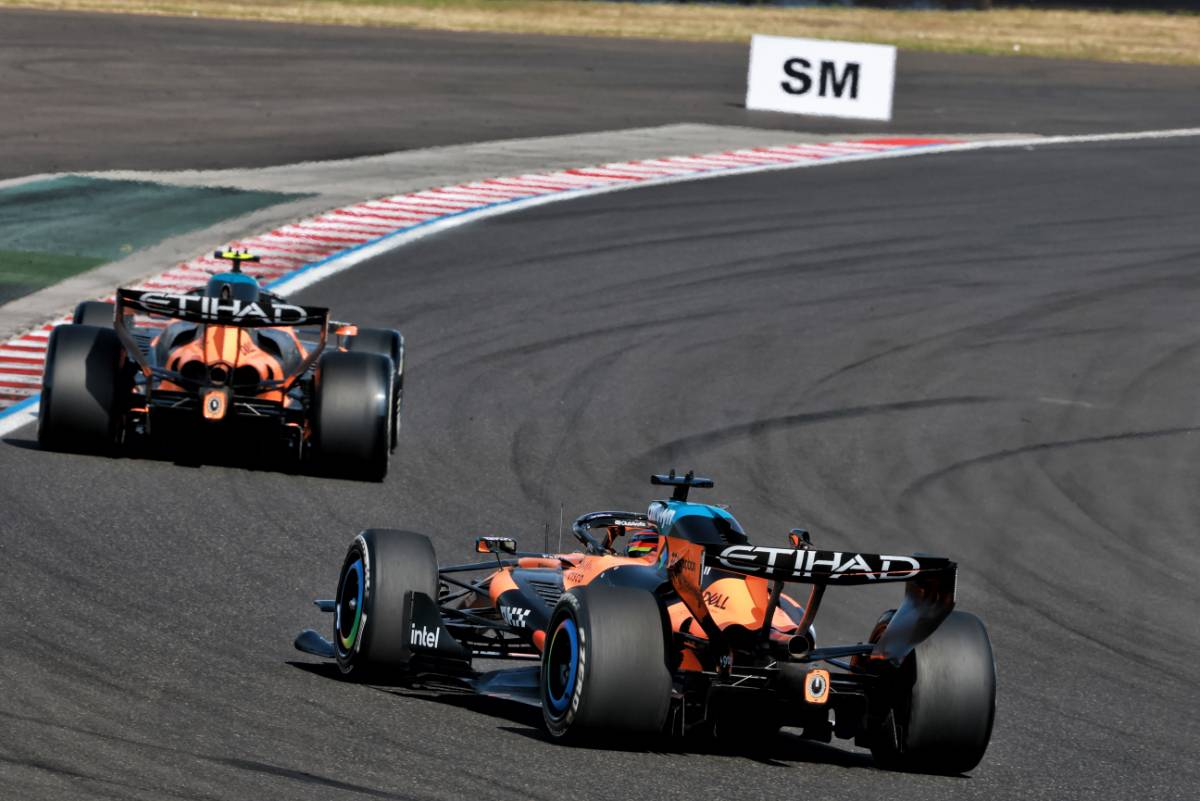
“I don’t think the wind tunnel is a major factor in terms of determining the aerodynamic behaviour in reattachment,” he said.
“You can use some other tools for that, and then the most important tool, especially when you have these sort of complicated projects, even from an aerodynamic point of view, remains what you observe at the track.”
For Stella, the Hungaroring test was less about laboratory prediction and more about real-world validation.
“It was important for us to acquire data via trackside because you would have never relied on a wind tunnel only for such a delicate project.”
With McLaren already fighting at the sharp end of the grid, the successful sign-off of its rotating rear wing offers another glimpse of a team still pushing aggressively for gains – and doing so with growing confidence that its bold ideas can deliver on race day.
Keep up to date with all the F1 news via X and Facebook