

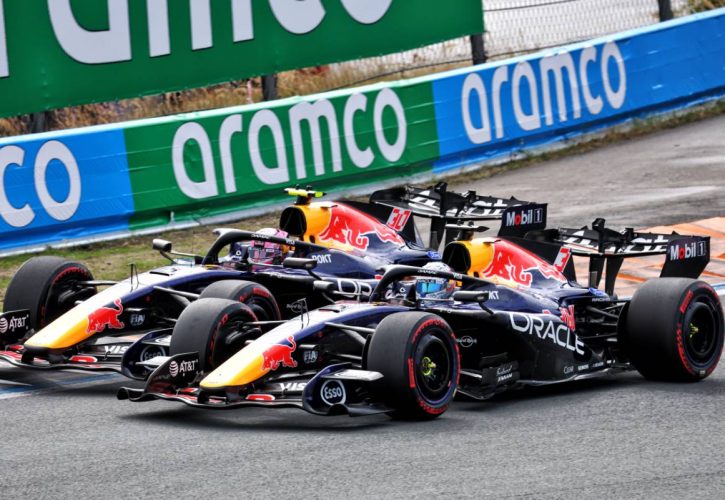


Max Verstappen has offered an intriguing explanation for why some teammates in Formula 1 appear to be running closer than ever to each other, arguing that the new-generation cars are simply easier to exploit at their limits.
However, McLaren team boss Andrea Stella disagrees with the Dutchman’s view, and sees the new machinery through a very different lens, insisting that the 2026 cars remain exceptionally demanding to drive.
The debate has been fuelled by the remarkably tight margins seen throughout the season. At Zandvoort, Liam Lawson qualified just a tenth behind Verstappen while standing in for the injured Isack Hadjar at Red Bull.
Yuki Tsunoda was similarly close to Racing Bulls regular Arvid Lindblad, despite climbing into the car for his first race weekend of the year.
Verstappen: ‘It's a lot easier nowadays’
For Verstappen, those results were another indication that the 2026 cars may be narrowing the opportunities for drivers to extract a decisive advantage.
“Especially in qualifying, I think. It's a lot easier nowadays with these cars to find the limit, because in quite a few places you're also a bit down on battery. Everything becomes a bit easier to line up,” he said,
“I think that demonstrated it quite well this weekend compared to the previous cars. For me, that's not a surprise.”
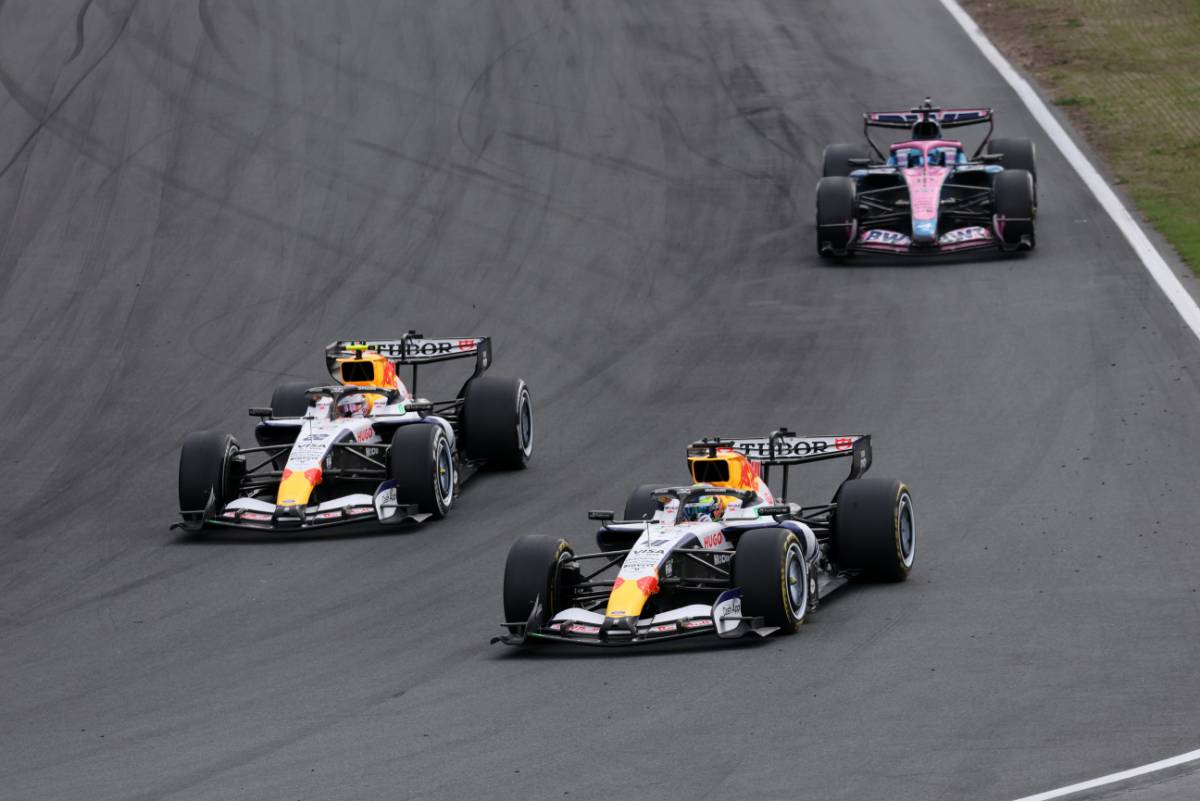
The four-time world champion was careful not to suggest that the performances of his team-mates should be dismissed. He praised Lawson for doing “a very solid job this weekend”, while Lawson himself pointed to the current Red Bull being considerably less treacherous than its predecessor.
But Verstappen believes the smaller differences between drivers have become one of the defining characteristics of the new era.
“I think you see it already the whole season. Everyone is always within one tenth, two tenths. If you have a very bad qualifying, three tenths. The margins are always super small,” he explained.
“You can also see that with Yuki, he's right there straight away.”
Stella sees a very different challenge
Stella, however, is not convinced that the reduced gaps are evidence of cars becoming easier to drive. In fact, the McLaren boss believes the opposite may be closer to the truth.
The arrival of the 2026 power unit regulations has introduced a fresh layer of complexity, particularly in the way drivers have to manage energy deployment alongside the traditional demands of extracting maximum performance from the chassis.
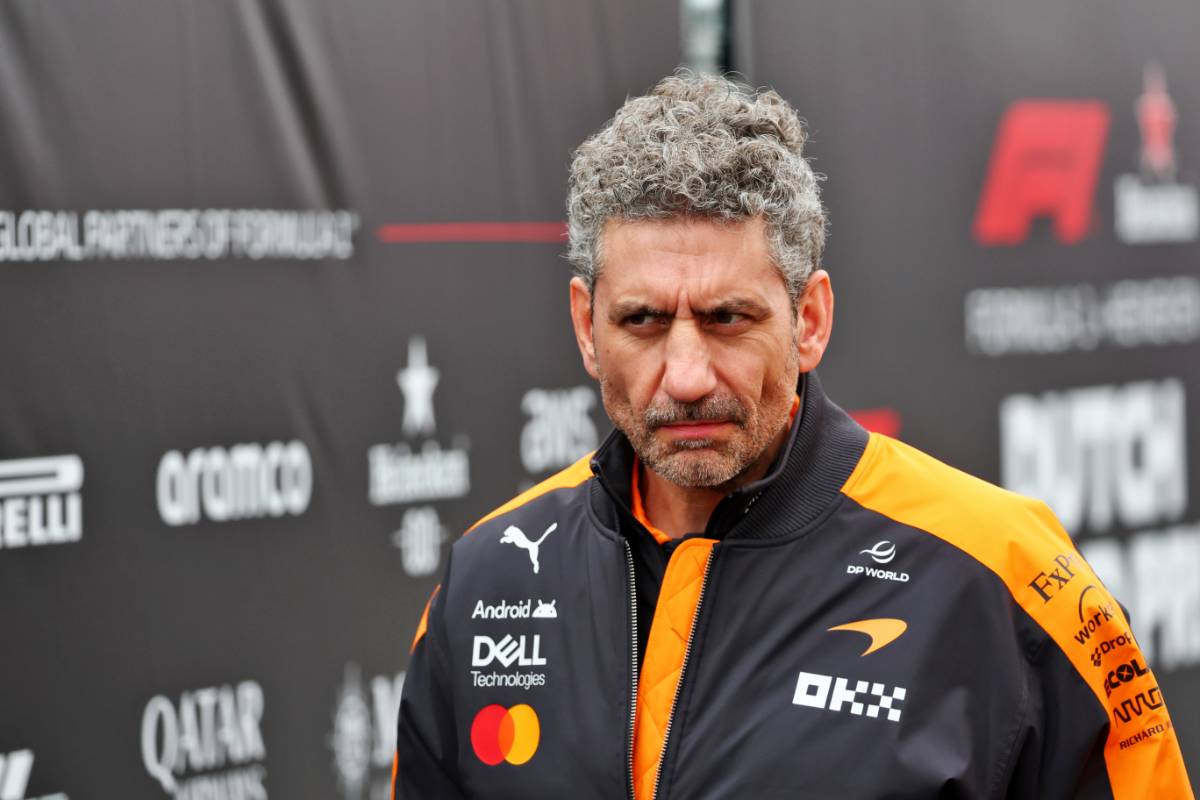
“I don't know about others, but these cars are classified by both our drivers as difficult cars to drive,” Stella said.
“Definitely, last year we could see much less scatter between the two drivers. Here when a driver is a bit on the back foot then this can be a large amount.
“They are difficult cars to drive for several reasons. At the start of the season, it was in the corners and then in the straights.
“In the corners because of the low grip, much less downforce, smaller tyres and in the straights because of the inconsistencies of the deployment or the fact that you may have a sudden superclip before braking and now you've lost your braking reference.
“Or sometimes the frustrating element is that you go on power earlier and now you're losing deployment later. So, there were several angles from which driving this year's car was more difficult.”
Fundamental challenges remain with new-era cars
There is some common ground between the two perspectives. Stella acknowledged that drivers and their engineers have become increasingly proficient at managing the complexities of the new power units as the season has progressed.
That adaptation, however, has not removed the fundamental challenges posed by the cars themselves.
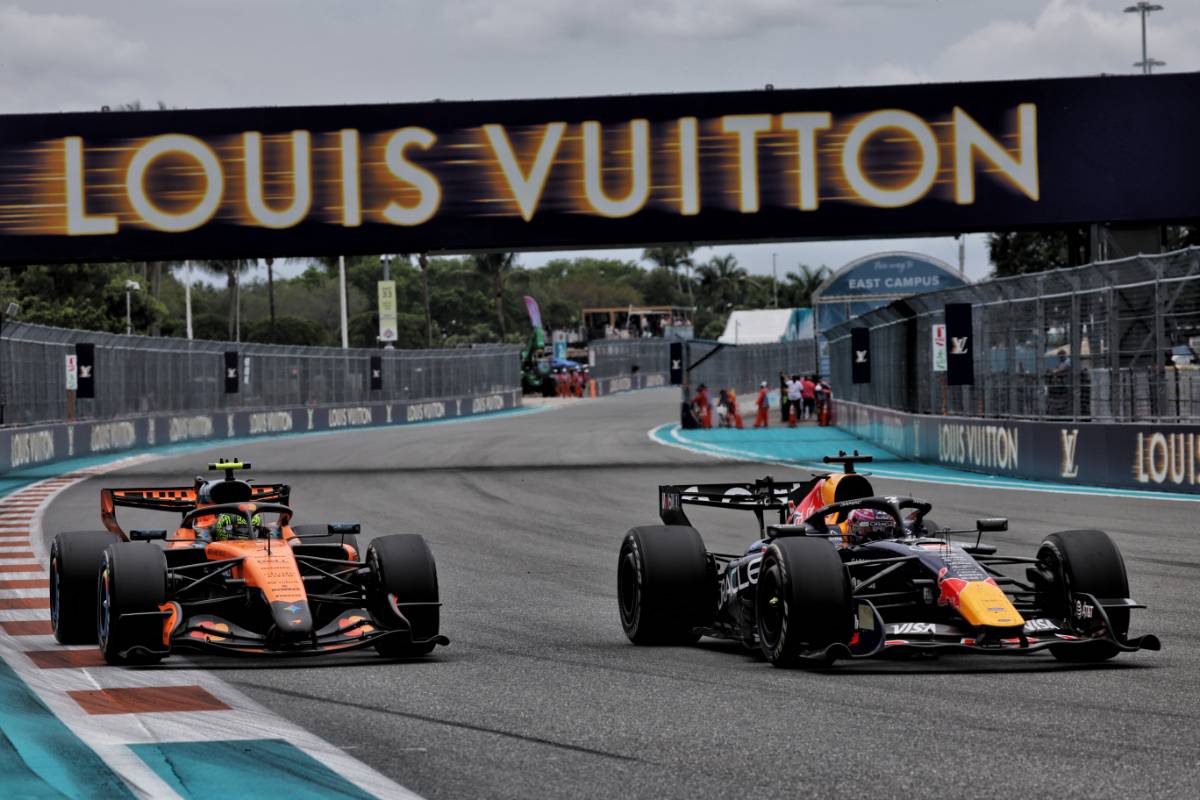
“Even if all teams have added downforce, it's very difficult for the drivers to predict what the problem is going to be in braking or whether or not the car will snap in traction,” he pointed out.
“With the previous generation of cars there was much, much more load aerodynamically and much more grip from the tyres, and it was easier.”
The contrast between Verstappen and Stella is therefore less about whether the 2026 field is tightly matched and more about why.
Verstappen sees drivers finding the performance ceiling with greater consistency, while Stella believes they are simply becoming better at coping with a machine that remains inherently unpredictable.
Either way, the stopwatch is telling the same story: the days when a star driver could routinely extract several tenths from a team-mate appear to have become considerably harder to find.
Keep up to date with all the F1 news via X and Facebook