



McLaren head to Baku with fresh aerodynamic weaponry for the MCL40, but chief technical officer Rob Marshall is warning that the Azerbaijan Grand Prix could be less about outright pace than the team’s ability to get everything right.
The Woking squad arrives after a run of encouraging form, with Lando Norris taking victory at Zandvoort before securing pole and third place in Madrid. Oscar Piastri however, has endured a more uneven spell, yet McLaren believes its latest development work is steadily pushing the MCL40 into a more competitive operating window.
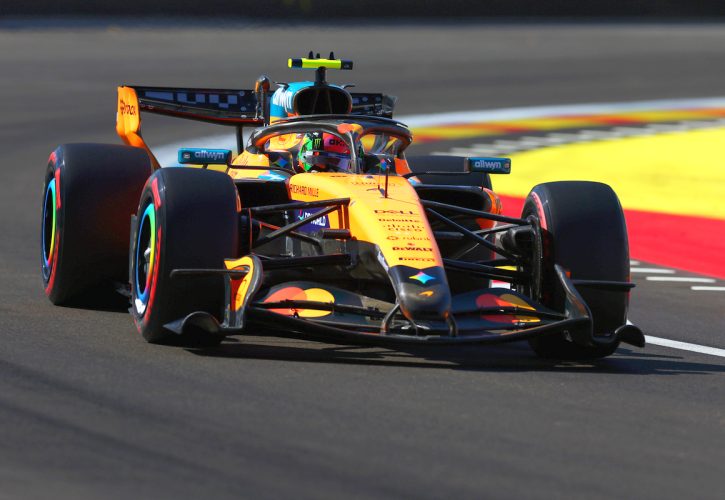
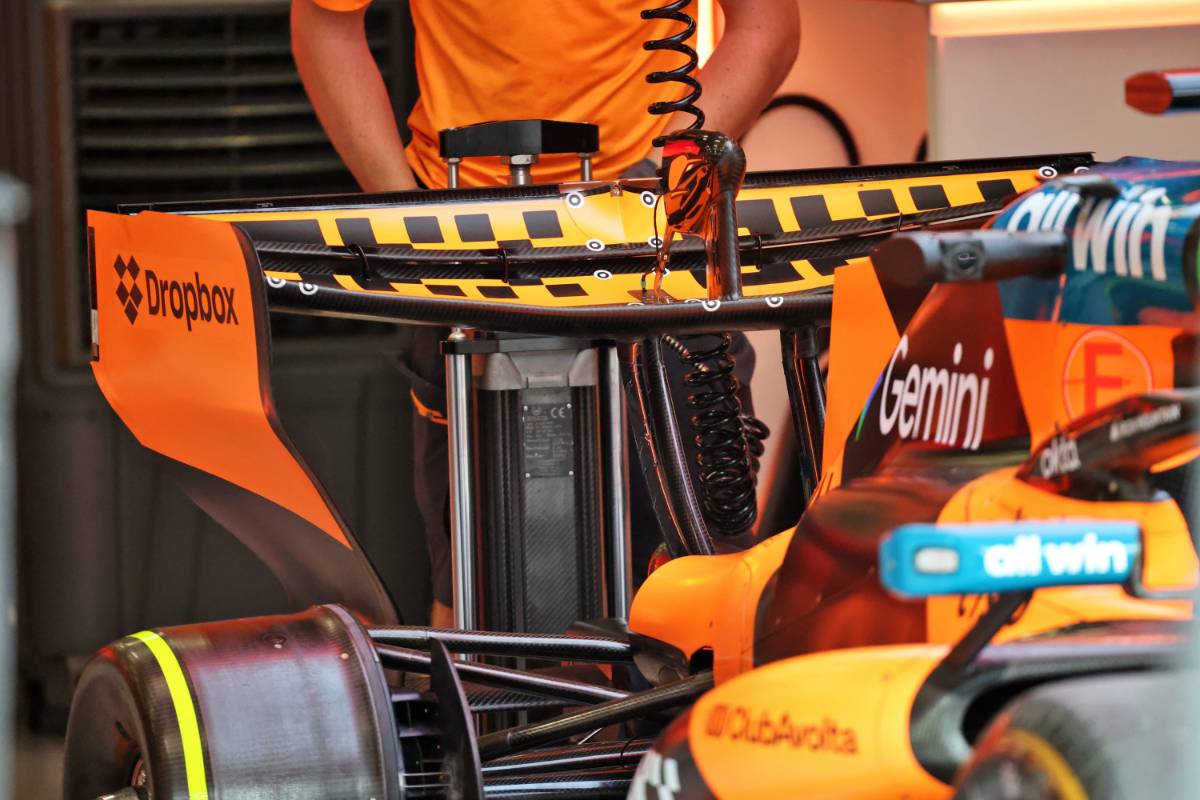
That progress will be tested immediately on one of Formula 1’s most unusual circuits, with McLaren bringing another batch of aerodynamic updates to Baku and reintroducing the H-Wing first seen at Monza.
A new package meets an unpredictable circuit
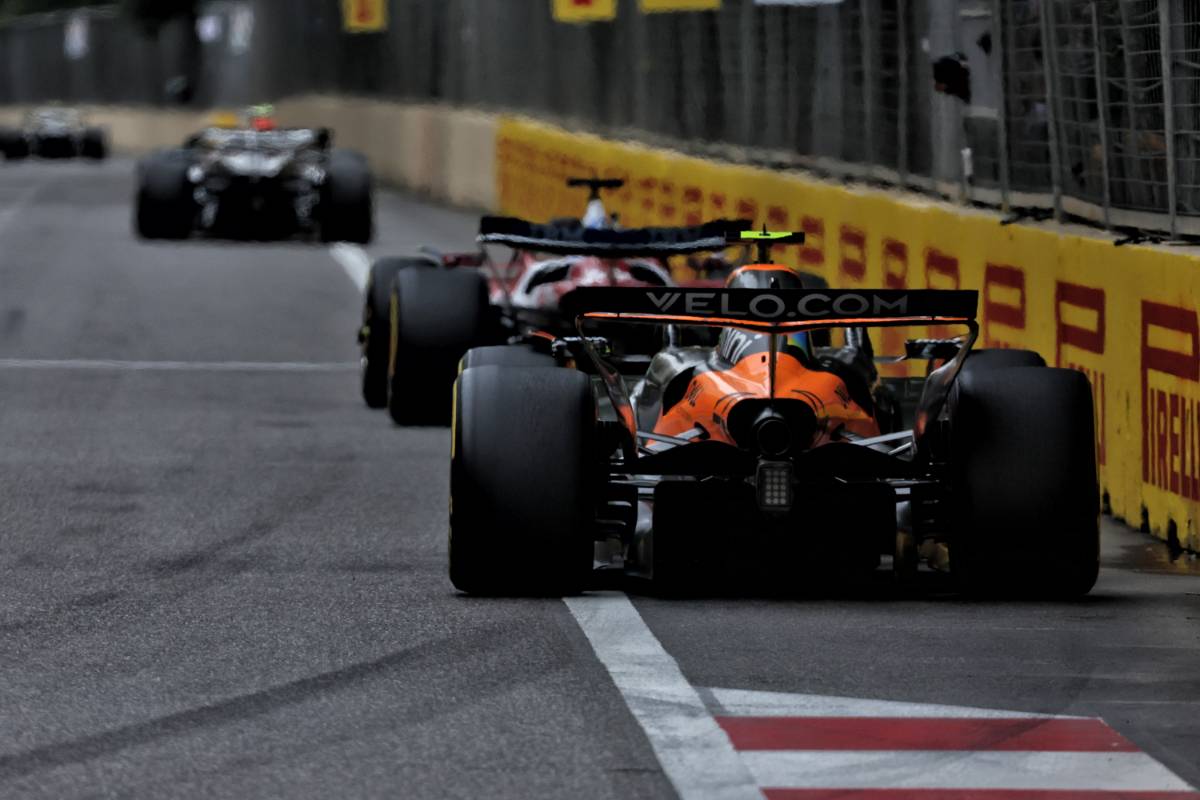
The 6.003-kilometre street track presents an awkward combination of characteristics, from the tight corners threading through Baku’s Old City to the huge full-throttle run towards Turn 1.
That makes finding the right aerodynamic compromise particularly tricky, even with the cars’ Straight Mode allowing teams greater flexibility in balancing drag and downforce, as Marshall explained.
"Baku is a circuit of extremes, combining the longest straight in Formula 1 with some of the slowest corners, so there are significant compromises to manage,” said the British engineer.
"Straight Mode gives every team greater scope to run a low-drag car on the straights while retaining downforce through the corners, but the challenge remains the same: bring the best design and set-up choices, then execute them cleanly on track."
McLaren will use Friday’s running to assess its latest aerodynamic additions, including the returning H-Wing, whose drag-reduction characteristics could be particularly valuable on Baku’s lengthy straight.
Yet Marshall is reluctant to assume that recent form will translate directly to Azerbaijan.
"We are still learning about these cars at every event, and we have both overperformed and underperformed against our expectations at different races this season,” he added.
"Baku will provide another valuable test of the MCL40 across a very different range of characteristics. Energy management and deployment will be particularly important, as will tyre and brake management with the cars arriving at Turn 1 after the long straight with these areas relatively cold."
One mistake could prove costly
The street circuit adds another layer of danger to McLaren’s weekend. With the barriers close and limited room for recovery, even a relatively minor error could compromise an entire session – something that makes gathering useful data on the new package all the more important.
Marshall knows the team cannot afford to be careless.
"Operationally, there is very little margin for error on a tight street circuit,” he said.
“A small mistake can lead to significant repairs, lost track time and resources being diverted away from performance, so confidence, precision and disciplined execution will be essential throughout the weekend."
And while McLaren has already begun dividing its attention between the MCL40 and next year’s machine, Marshall insists the current campaign remains firmly in the team’s sights.
"With regulatory continuity into next season and the competition at the front so close, our motivation to keep developing the car remains high.
"We must balance that with work on next year’s car, but our immediate focus is on delivering more performance and fighting for more victories in 2026, while carrying forward everything we learn," added Marshall.
In Baku, then, McLaren will have more than a new collection of aerodynamic parts to evaluate.
The circuit itself will demand precision from the first lap, with the team still uncertain exactly where its improving MCL40 will land in a tightly packed front-running field.
Keep up to date with all the F1 news via X and Facebook