

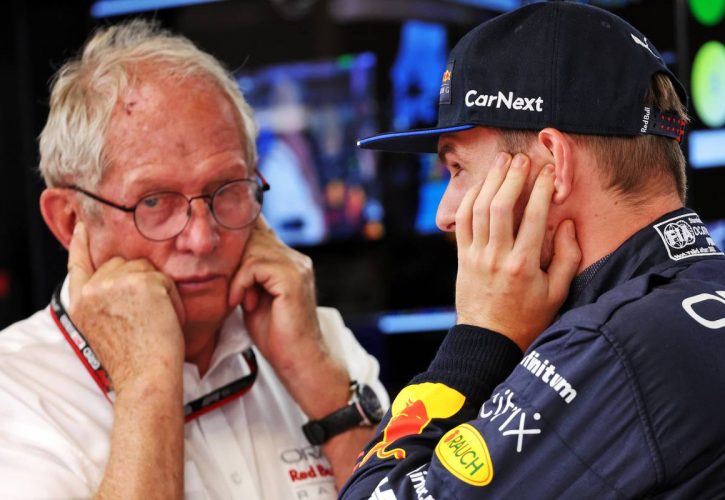


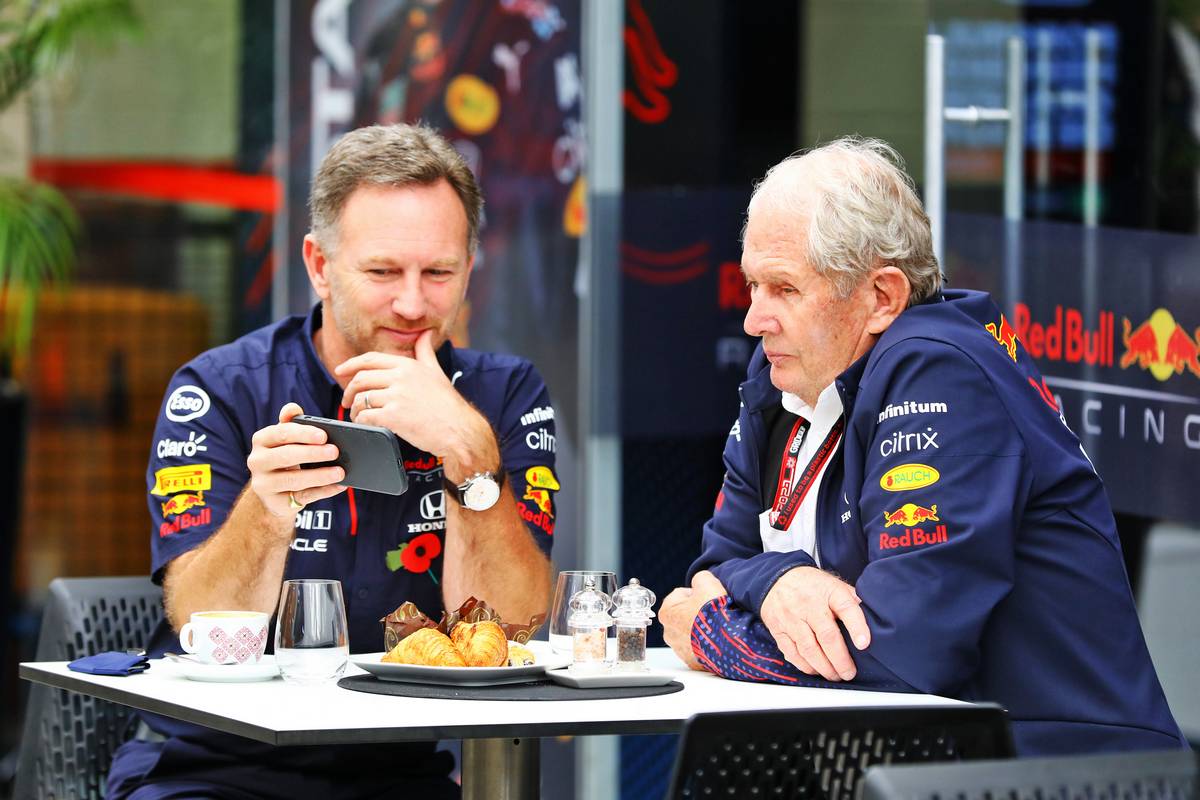
Christian Horner’s forthcoming autobiography has already reopened old wounds at Red Bull, and Helmut Marko is wasting little time pushing back against one of the book’s most explosive claims: that he initially opposed bringing Max Verstappen into the senior team.
Horner’s book ‘Drive’ is set to be released on October 22, but the former team principal’s account of Red Bull’s most important driver decision is already being challenged from inside the story itself.
Marko has effectively endorsed Ralf Schumacher’s version of events, turning what could have been a footnote in Verstappen’s rise into another round in the long-running Horner-Markо feud.
According to Horner, Marko was reluctant to sign the young Verstappen and that it was his father, Jos, who played a crucial role in getting the deal over the line.
Marko says that is not how it happened.
Marko backs Schumacher’s version
Speaking to Austrian outlet oe24, Marko made clear that he has little appetite for reliving Horner’s version of Red Bull history – but he was quick to highlight Schumacher’s intervention.
"I'm ignoring it as much as possible," Marko said. He then added: "Ralf Schumacher handled it very well."
Schumacher had been considerably less diplomatic, dismissing Horner’s account of Verstappen’s arrival as "an absolute lie."
The former F1 driver also provided his recollection of an earlier encounter between Marko and Verstappen, one that actually supports the Austrian’s argument that the timing of the youngster’s move into Red Bull’s fold simply was not right at the time.
"Marko approached Max when he was just 11 and a half years old. At the time, Jos said it was still too early for him. The doctor, as you know him, was a bit miffed and said: 'Okay, if you don't want to, then so be it.'"
Marko agrees that the initial approach did not lead to an immediate deal, but insists there was no grand rejection of Verstappen hiding behind it.
"It worked out well the way it did. Max was successful in karting back then, and we had no idea about that. Later in Formula 3, we grew closer again, and that's how this unprecedented success story came about," Marko explained.
That relationship ultimately accelerated dramatically once Verstappen emerged as one of the most extraordinary talents in junior single-seaters.
Marko turns the Horner claim on its head
If Horner’s version was intended to establish that Marko had doubts about Verstappen, the Red Bull adviser has responded with an altogether different piece of history – claiming that it was Horner himself who needed convincing when the teenager was eventually promoted to Red Bull Racing.
"I brought Max into Formula 1 and had to do it against Horner in his first race for Red Bull in Barcelona," Marko recalled, referencing Verstappen's sensational debut win with the team at the 2016 Spanish Grand Prix.
"He thought Max was too young, too inexperienced..."
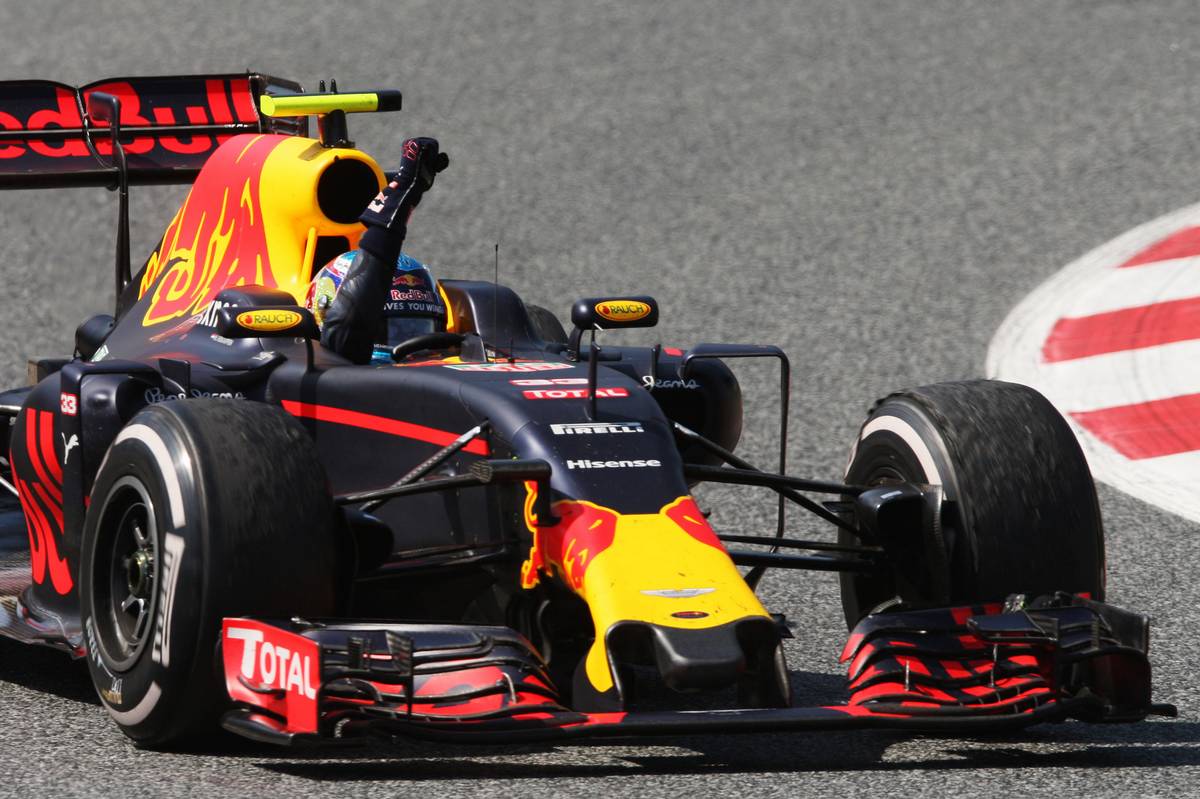
That promotion proved spectacularly difficult to argue with in hindsight. Verstappen not only won on his first weekend with Red Bull, but also became the youngest-ever winner of a Formula 1 race at just 18 years old.
The dispute is therefore about more than who remembers an old conversation correctly. It touches one of the defining decisions in Red Bull’s history and, by extension, the origins of the Verstappen era that ultimately delivered four world championships.
The relationship between Horner and Marko had already deteriorated badly following the death of Red Bull founder Dietrich Mateschitz and the ensuing internal power struggle, eventually culminating in Horner’s departure from the team in 2025.
Now Horner’s book has reopened the dispute, with Marko effectively calling on Schumacher’s recollection to challenge the narrative before ‘Drive’ has even reached the shelves.
And if this is merely the opening chapter of the latest Horner-Markо war, October 22 could make for particularly interesting reading.
Keep up to date with all the F1 news via X and Facebook