

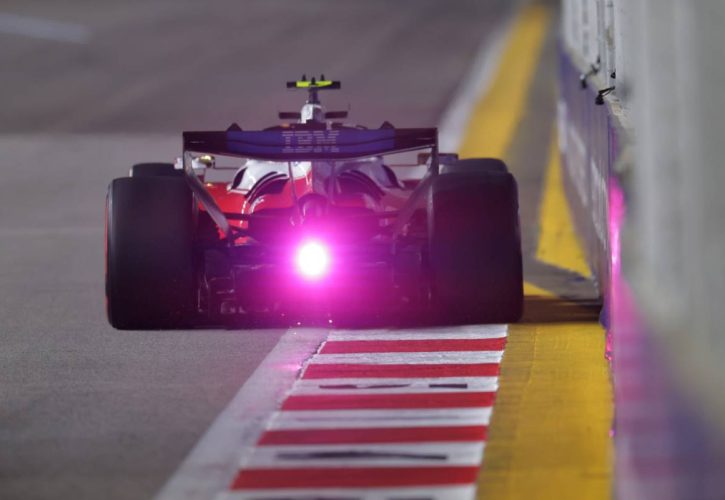


The FIA has acknowledged that sporting fairness was compromised during Friday’s Sprint qualifying at the Singapore Grand Prix following a human error in race control that interfered with the session’s results.
Nikolas Tombazis, the governing body’s single-seater director, offered an unusually candid assessment of the incident after a software-control mishap left drivers with unequal access to extra power during the closing moments of the opening segment at Marina Bay.
The controversy erupted after a red flag, triggered by Sergio Perez’s crash in SQ1, interrupted the session.
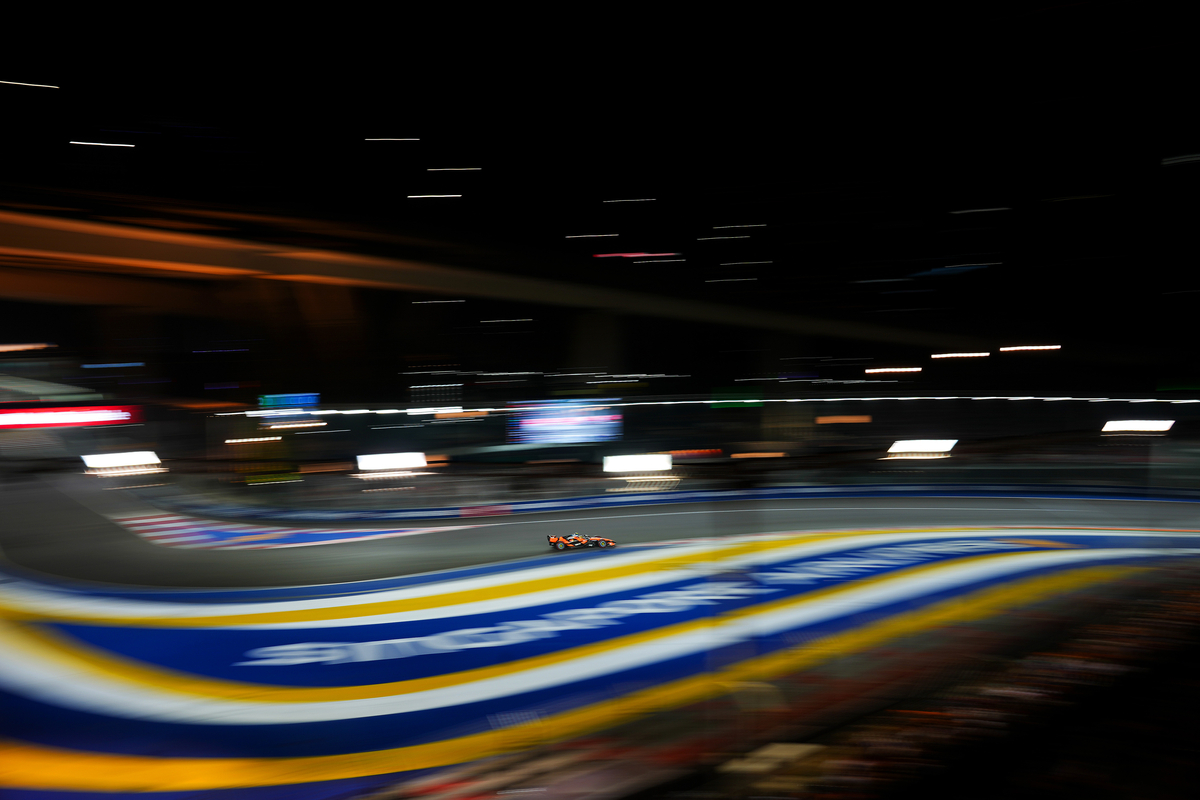
When qualifying resumed, a procedural error in race control led to Overtake Mode being briefly reactivated for just 27 seconds before being switched off again, creating an uneven playing field for drivers completing their laps.
Williams’ Carlos Sainz was among those left furious. Eliminated in SQ1 and relegated to 22nd on the grid for Saturday’s Sprint, the Spaniard accused the governing body of showing no regard for sporting equity.
Speaking to Sky Germany, Tombazis conceded that the FIA had fallen short of the standards it is expected to uphold.
“We're not happy about it, because it affected some drivers more and some drivers less,” Tombazis explained.
“So as a result, just in the first session of the sprint, we felt this problem interfered with the results – which for us as FIA is probably, in some ways, the worst thing, because our top priorities are always safety and fairness.
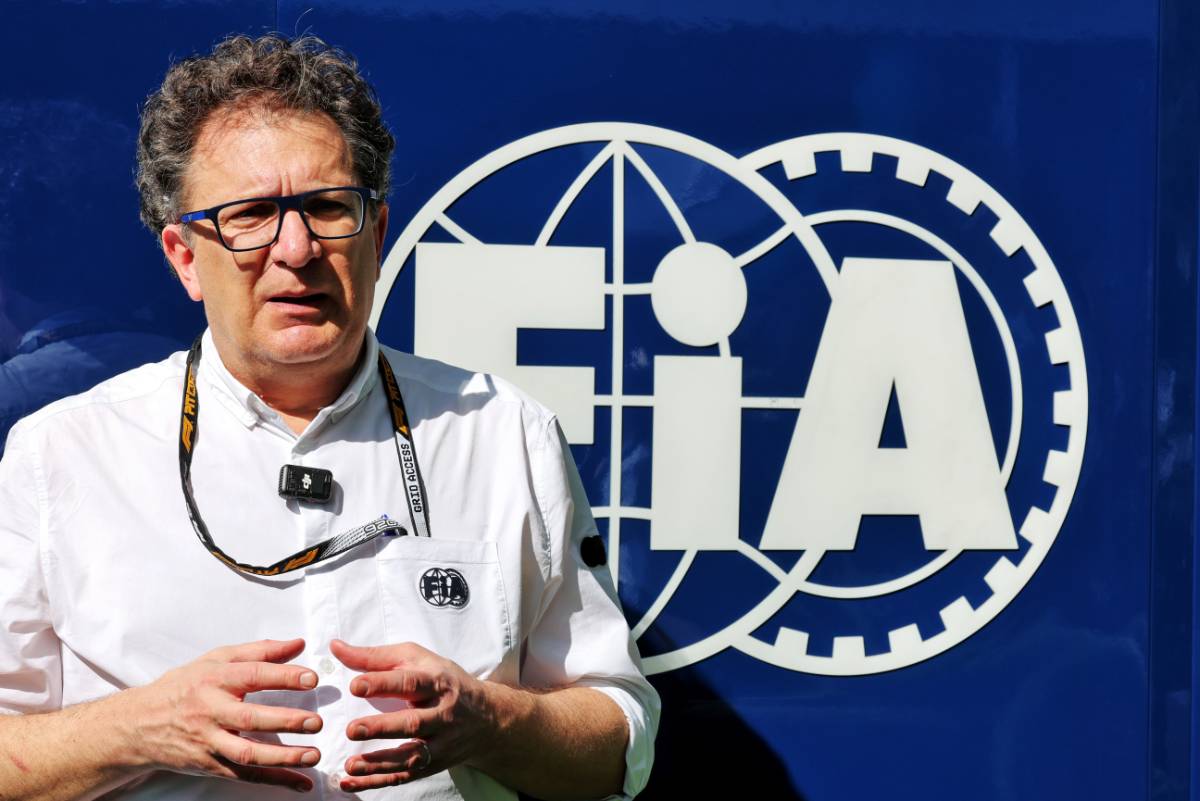
“Of course, to have a situation where a result is not fair or incorrect is for us not good. Of course, it is a complicated job, and people do make mistakes, and we need to be conscious of that.
“But we also need, when we do make mistakes, to analyse them and to make sure they don't happen again – which is what we're doing.”
A procedural failure under pressure
Tombazis subsequently explained how an overlooked computer notification triggered a chain of events that ultimately affected the session, while acknowledging that the subsequent attempt to rectify the situation only compounded the problem.
Re-enabling Overtake Mode after an interruption is normally a manual procedure, designed to ensure that activating the system is safe. On Friday, however, an alert failed to receive the necessary attention in time.
“Normally it is a manual process to re-enable it, because clearly when it gets re-enabled we want to make sure from a safety point of view it's okay to do so,” Tombazis explained.
“Unfortunately, there was a pop-up window that came on somebody's computer that was not acted on quickly enough or when it should have. And then under the time pressure and the general other pressure, this was forgotten, unfortunately.
“We then went into quite an intense analysis about, was there some other issue, because we could hear, of course, the drivers complaining and saying what's happening. We realised where the problem was.
“At that time there was an erroneous decision to briefly turn it on again, but that was sort of not exactly the correct decision in order for fairness. And then it was turned off again.”
FIA promises to learn from its mistake
The explanation sheds light on how an overlooked notification and the pressures of a live qualifying session combined to produce a sporting controversy.
Yet the admission that the FIA's response included a further erroneous decision underlines how quickly the situation escalated once the original mistake had been identified.
For the drivers caught on the wrong side of the power disparity, the consequences were immediate, with the short-lived activation potentially influencing their ability to complete competitive laps.
Tombazis acknowledged the seriousness of the failure, stressing that while operational mistakes can happen, the governing body has a responsibility to understand precisely how they occur and prevent a repeat.
That commitment will now be tested by the FIA's review of the incident. In a championship where qualifying positions can hinge on fractions of a second, ensuring that every competitor has access to the same tools under the same conditions is fundamental.
Keep up to date with all the F1 news via X and Facebook