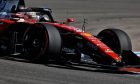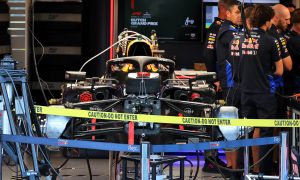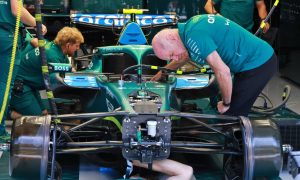


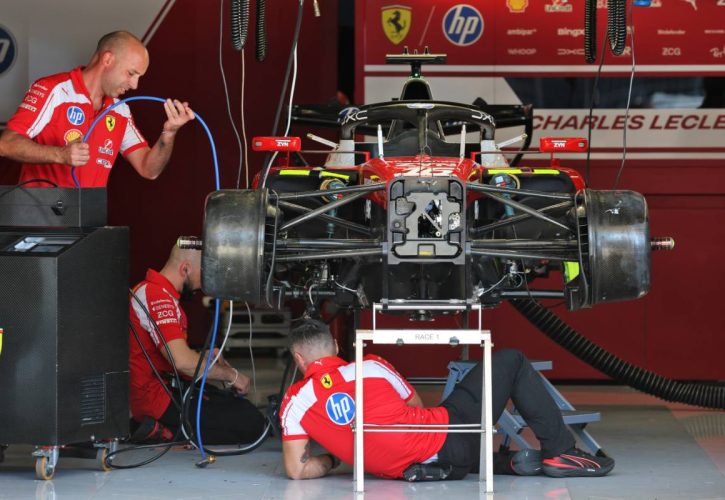


Ahead of this weekend’s US Grand Prix, Ferrari’s drivers played down expectations for their team’s Austin upgrade, but the details of the Scuderia’s latest package suggest a more substantial technical push than Lewis Hamilton and Charles Leclerc have publicly indicated.
The Italian outfit is targeting gains in floor performance and airflow stability, while McLaren and several midfield rivals have also brought refinements to the Circuit of The Americas.
However, the scale of the hardware changes does not automatically guarantee a major lap-time leap, and the real test will be whether the revisions deliver the expected gains on track.
Ferrari’s floor takes centre stage
Hamilton sought to temper expectations on Thursday, describing Ferrari’s latest changes as “a very, very small upgrade this weekend. It's less than a tenth. It's like half a tenth.”
Yet the team’s formal submission to the FIA outlines a broad set of changes in areas central to aerodynamic performance.
Ferrari’s engineers have altered the layout of the SF-26’s board braces and redesigned the leading edge of the floor, while reshaping both the vertical and horizontal elements of the inboard boards.
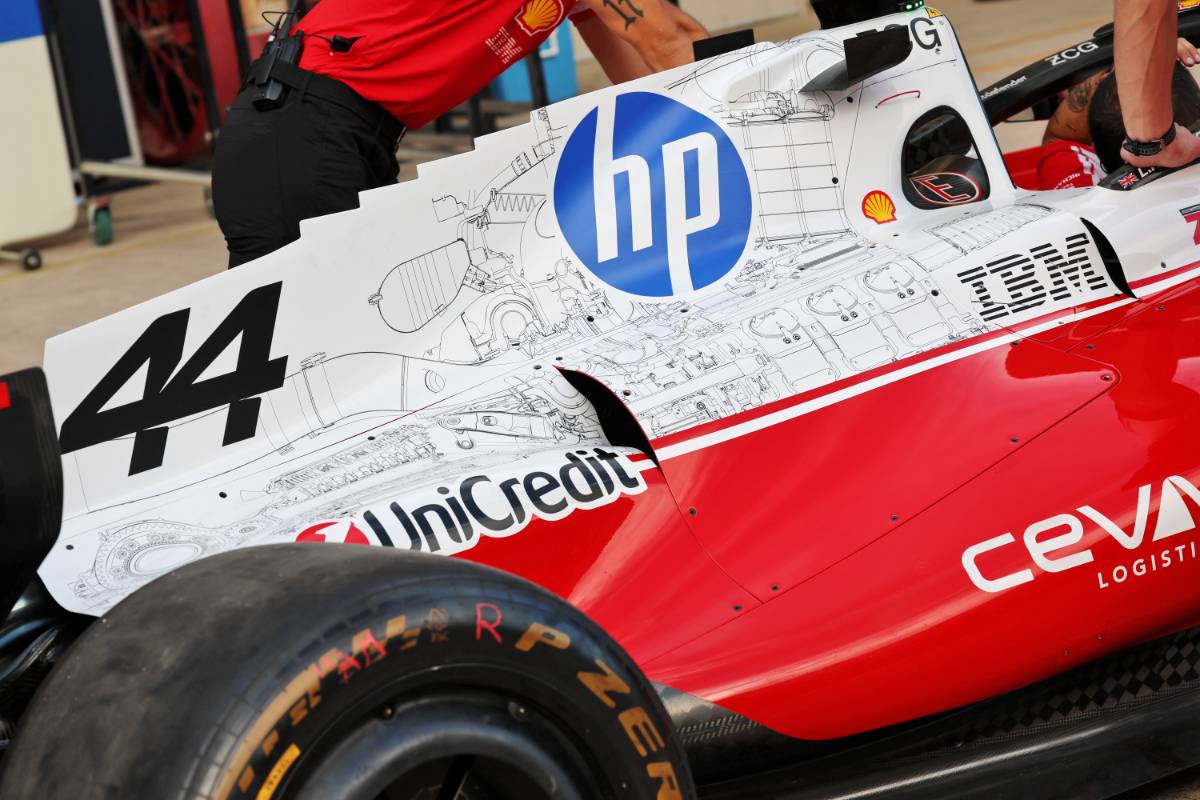
The sidepod inlet and undercut have also been reprofiled, with the aim of helping airflow work more effectively with the floor beneath the bodywork. Further back, Ferrari has revised the diffuser volume, its fence loading and the outboard details along the trailing edge.
According to the team, the changes are intended to generate more downforce at both ends of the floor while raising energy levels and improving the stability of airflow towards the rear of the car.
Whether that translates into a meaningful step forward will become clearer as Ferrari gathers data across the Austin weekend.
McLaren and Racing Bulls join the development push
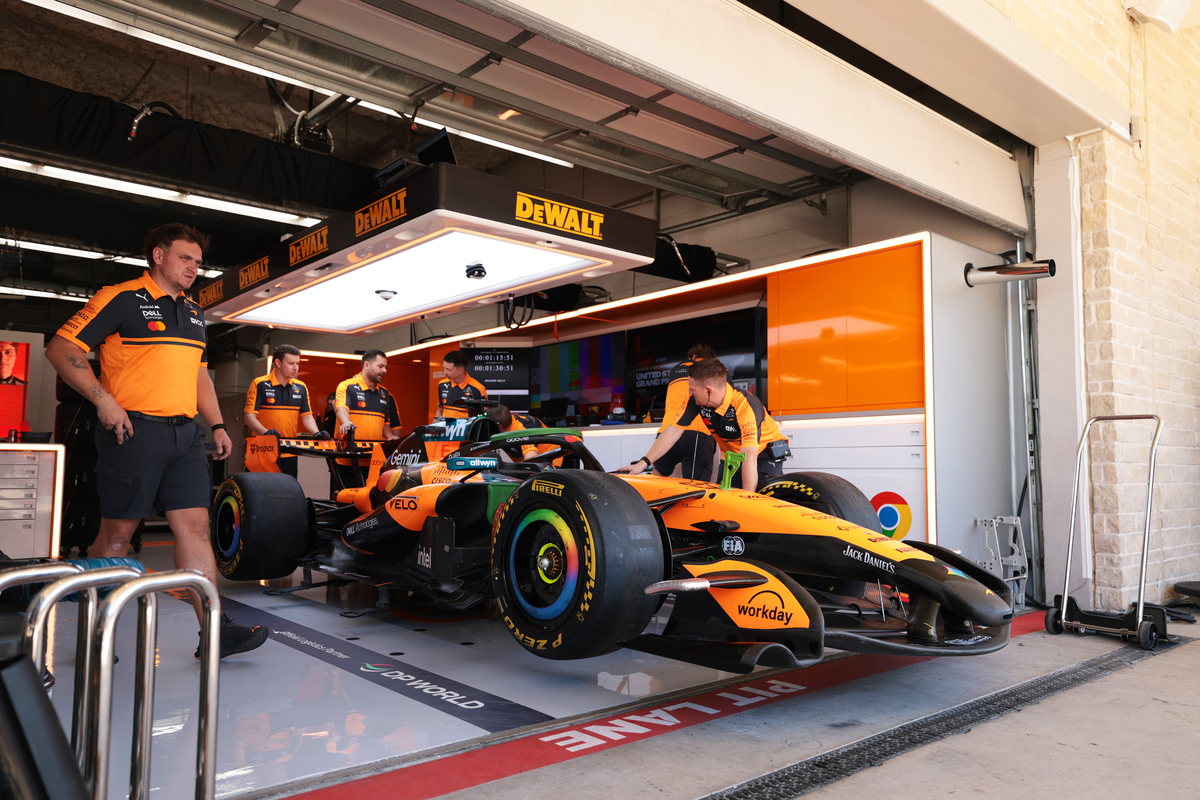
McLaren has introduced a smaller collection of revisions, updating its front and rear brake ducts to improve flow conditioning and increase downforce.
The team has also adjusted the diffuser geometry, seeking better airflow and additional downforce across a range of speeds.
Red Bull’s change is more limited for now: a new vane on the front wing is being evaluated to help monitor front-tyre temperatures. It is an assessment item rather than a declared performance upgrade.
Racing Bulls, by contrast, has arrived with a sizeable package as it looks to strengthen its position among the leading midfield contenders.
The updates include a new front-wing endplate and rear-wing flaps, alongside changes to the floor edges, leading edge and floorboards. The team has also reshaped the engine cover, introducing a new shoulder and undercut. The revisions are aimed at increasing downforce.
Audi, Alpine and Cadillac make targeted changes
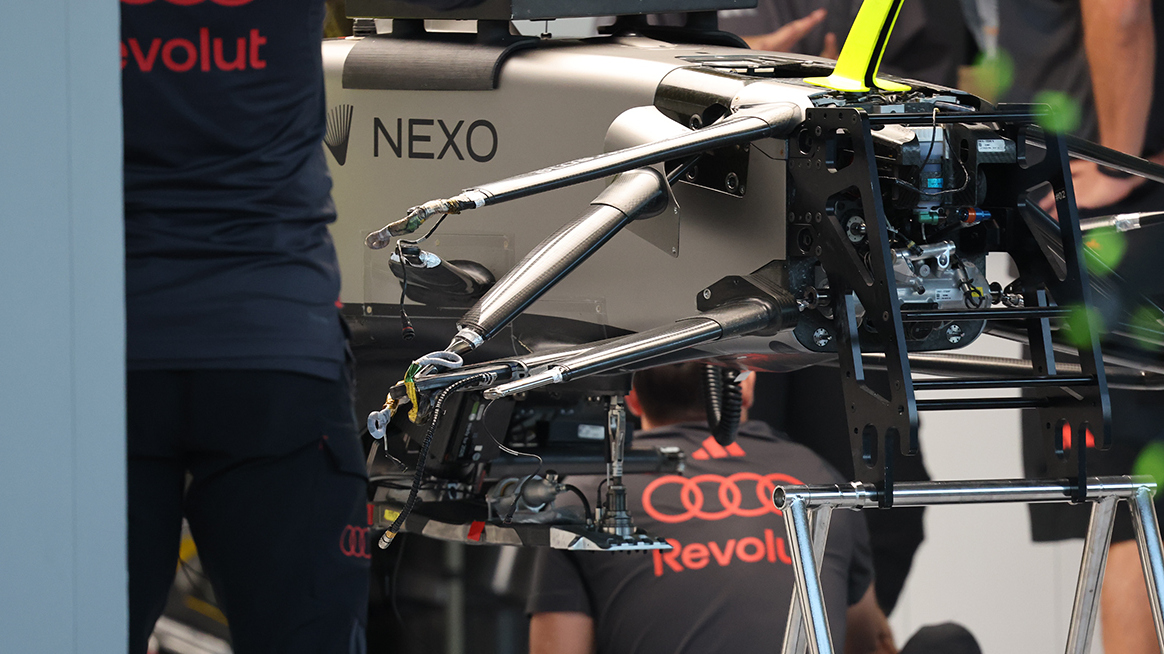
Audi has revised its front brake duct and introduced new floorboard geometry to improve local airflow conditioning. A new mirror stay is also part of its Austin specification.
Alpine has modified the second and third elements of its rear-wing flaps to improve airflow conditioning, while redesigning the rear corner of the floor to help generate more downforce.
Cadillac’s package centres on changes to the forward floor geometry, accompanied by adjustments to the cooling louvres on its sidepods.
The range of updates underlines how teams are continuing to refine their 2026 cars at different levels late into the season.
Ferrari’s list is among the most extensive, but the stopwatch will ultimately decide whether its floor-focused revisions deliver more than the modest gain suggested by Hamilton.
Read also: Ferrari’s rivals still have something we don’t, says Leclerc
Keep up to date with all the F1 news via X and Facebook