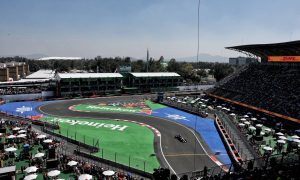




Nestled high in Mexico City, the Autódromo Hermanos Rodríguez presents a completely unique challenge for F1 teams and drivers.
At 2,285 meters above sea level, it is the highest point on the calendar, thinning the air by roughly 25% compared to sea-level circuits. This drop in density reduces downforce, drag, engine power, and cooling efficiency, turning setup work into an absolute tightrope walk.
Drivers must be adaptable, teams must fiercely monitor power unit limits, and aero efficiency is put to the ultimate test.
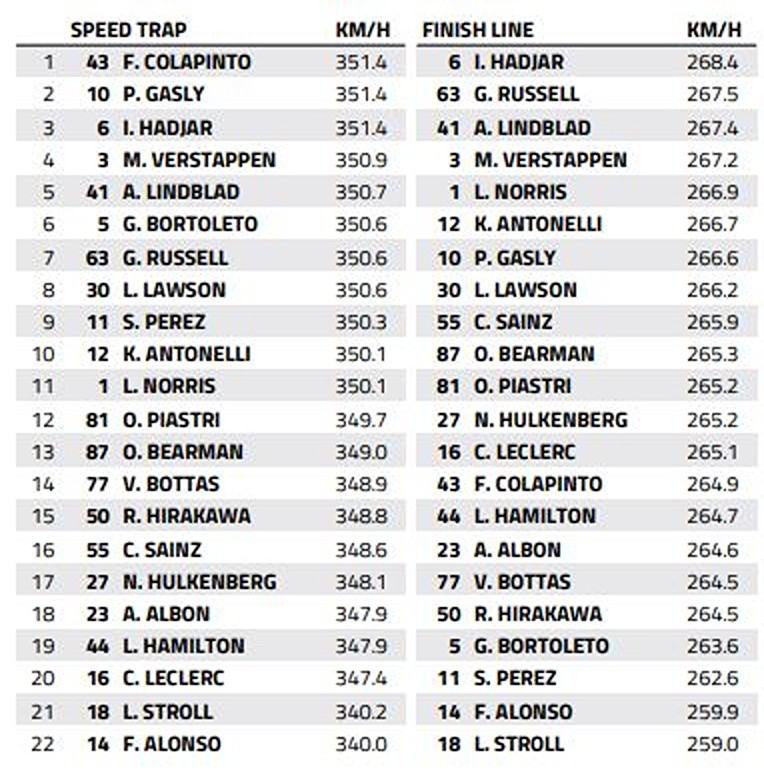
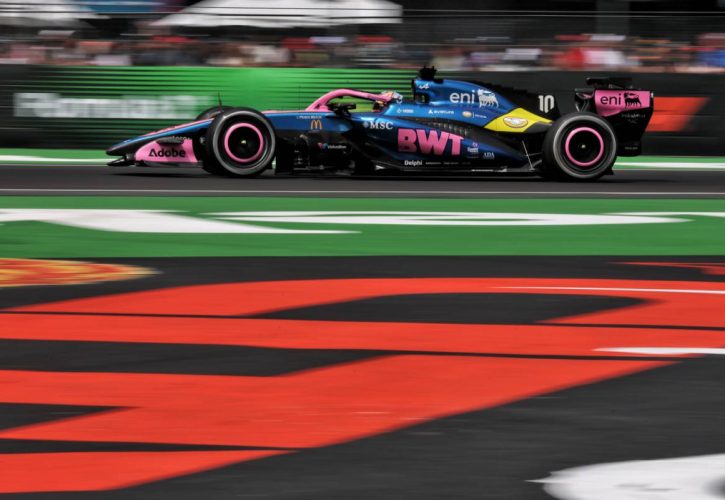
Saturday’s qualifying session produced blistering velocity figures down Mexico City’s long main straight. Alpine’s Mercedes-powered cars dominated the upper reaches of the speed trap, with Franco Colapinto leading the way at a staggering 351.4 km/h, closely matched by teammate Pierre Gasly and Isack Hadjar at the same velocity.
Max Verstappen followed right behind at 350.9 km/h, spearheading a cluster of high-speed chargers.
At the opposite end of the spectrum, Ferrari’s SF-26 sat conservatively lower in the speed trap rankings, with Charles Leclerc logging 347.4 km/h and pole-sitter Lewis Hamilton managing 347.9 km/h.
Yet, highlighting the fine margins of modern F1 engineering, the entire grid – excluding laggards Aston Martin – was locked in an extraordinarily tight 4 km/h spread from top to bottom, proving that aerodynamic efficiency and drag configurations are defining maximum velocity.
Race strategy preview
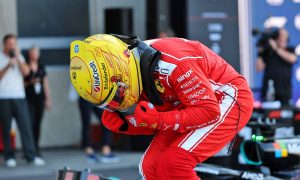
Lewis Hamilton secured his landmark 105th career pole position, his first for Ferrari after a three-year wait.
However, starting at the front in Mexico is a double-edged sword: while practice indicates overtaking will be exceptionally difficult, the run down to Turn 1 is an awfully long drag, exposing the polesitter to a slipstream-hungry pack.
George Russell lines up alongside on the front row, with Charles Leclerc and Kimi Antonelli on row two, followed by Max Verstappen and Lando Norris on row three.
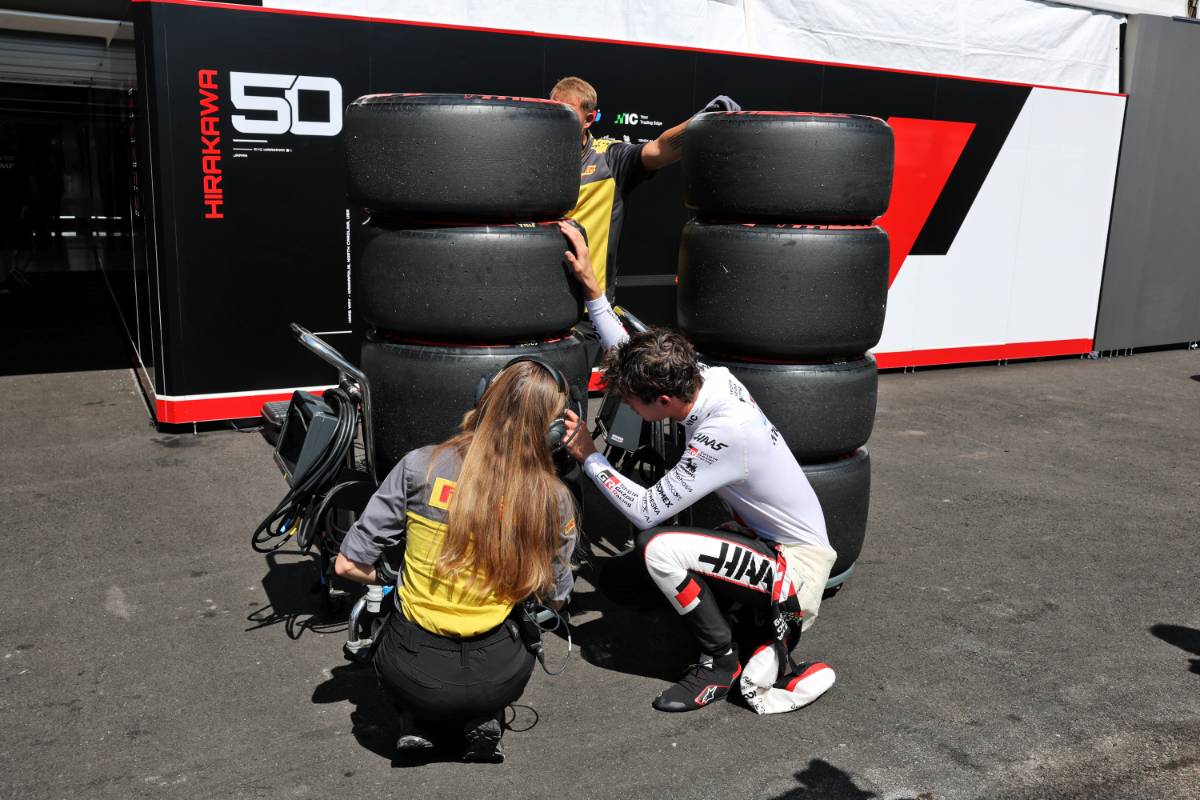
Pirelli’s C3-C4-C5 allocation is behaving a bit strangely this weekend. Fresh resurfacing has kept lap times on par with 2025, but the new asphalt is failing to generate enough grip to get the C3 Hard compound working properly.
Consequently, Pirelli expects a one-stop Medium-to-Soft race to be the fastest route to the flag, with an optimum pit window between Laps 35 and 41.
Reversing the compounds to a Soft-to-Medium strategy shifts the window forward to Laps 30–36, a seductive option given the extra launch grip needed off the line. Alternatively, a two-stop Soft-Medium-Soft strategy remains a viable threat.
Tyre availability is entirely uniform across the field, with every driver holding exactly one set of Mediums and one set of Hards.
The true wildcard lies in fresh Soft tyre reserves: drivers further down the order – including Oscar Piastri starting from P12 with three fresh sets – hold a strategic weapon if degradation forces a multi-stop sprint.
With high altitude threatening brakes and power units, and a statistical probability of Safety Cars, VSCs, or even red flags, early stoppers will face intense jeopardy. Whether it is a measured one-stop cruise or a chaotic multi-stop gamble, Mexico City is primed for high-altitude drama.
Keep up to date with all the F1 news via X and Facebook