

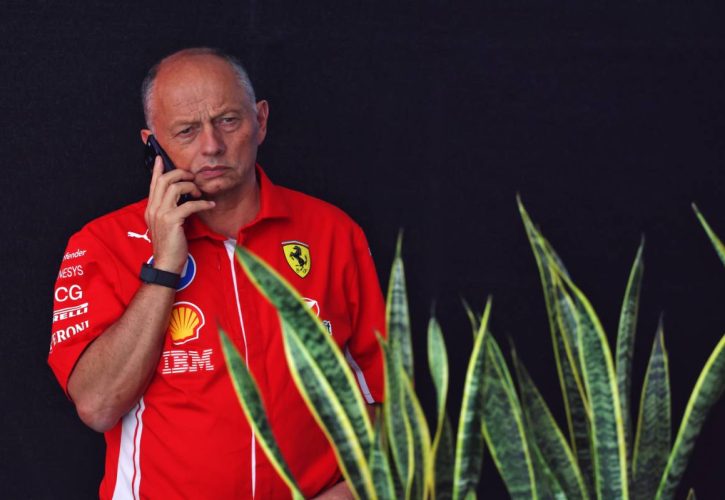


Ferrari team principal Fred Vasseur made little effort to conceal his frustration after the Scuderia squandered a golden opportunity to win the Mexico City Grand Prix, with the opening-lap confrontation between Charles Leclerc and Lewis Hamilton leaving the Frenchman questioning the priorities of his drivers.
For Ferrari, the afternoon had promised so much. Lewis Hamilton had secured the team's first pole position of the 2026 season, with Leclerc lining up third, giving the Italian outfit its most encouraging starting position in two years.
And when the lights went out at the Autodromo Hermanos Rodriguez, the prospect of a Ferrari one-two suddenly looked tantalisingly real.
Instead, the two red cars turned their battle for supremacy into an expensive exercise in self-destruction.
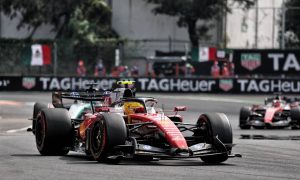
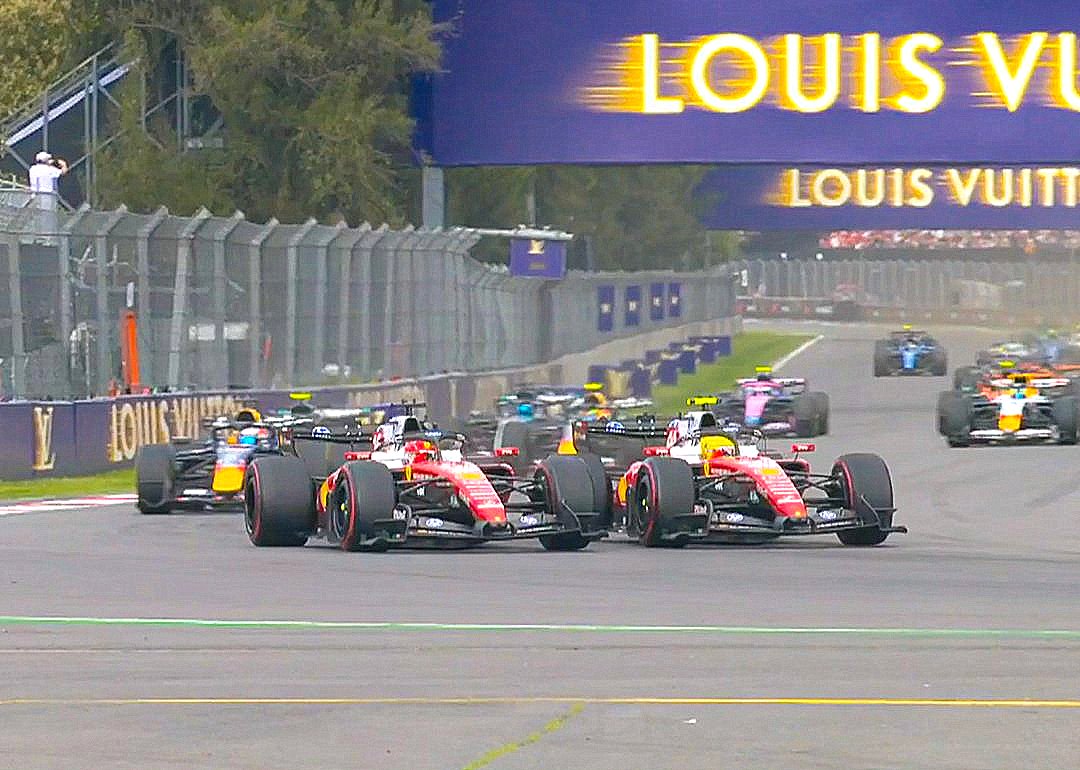
As George Russell lost momentum approaching Turn 1, Leclerc seized the opportunity to challenge Hamilton, narrowly failing to wrestle the lead from his team-mate.
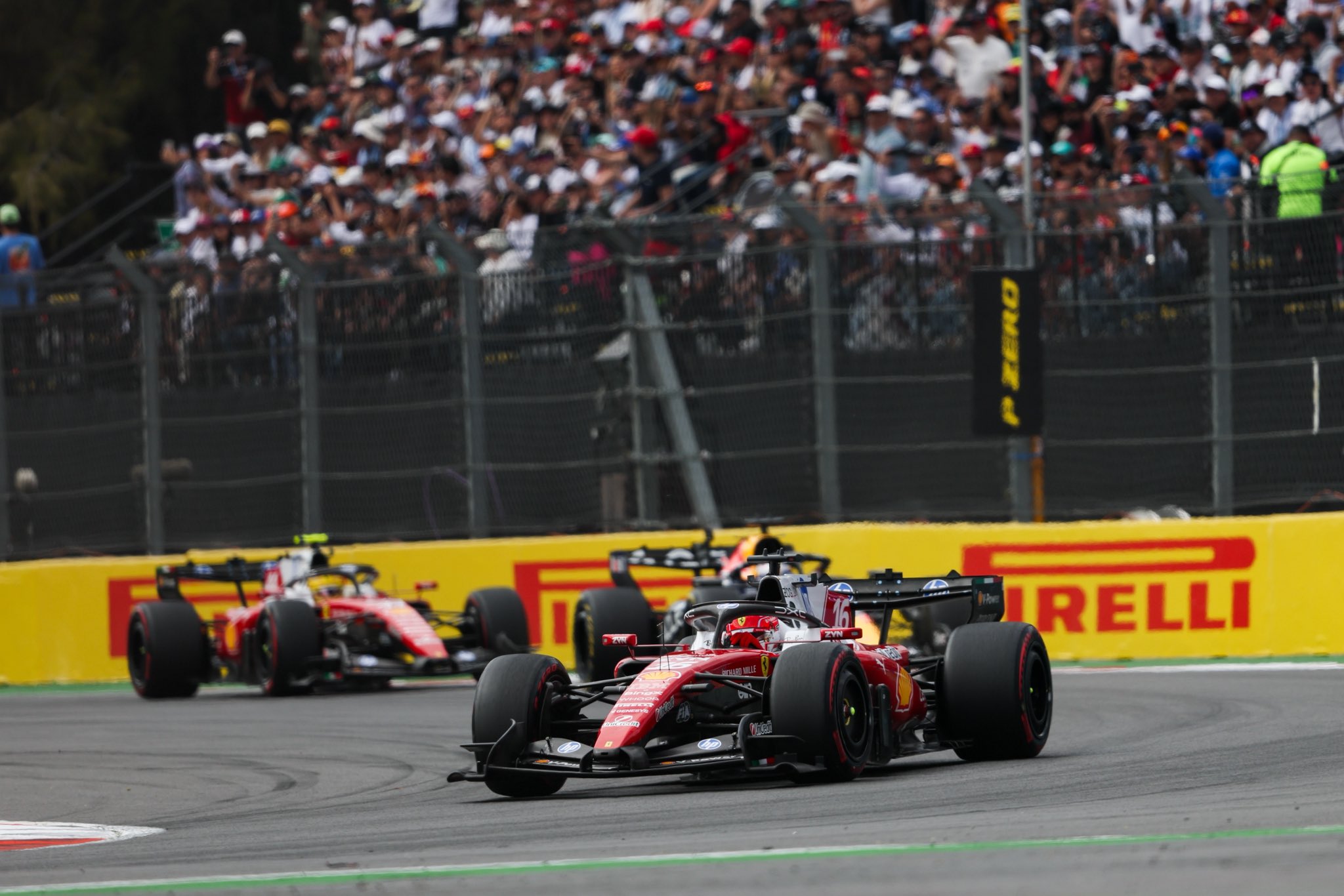
The Monegasque tried again around the outside at Turn 4, but neither Ferrari driver was prepared to concede ground. Both arrived too quickly, ran beyond the track limits and effectively handed Max Verstappen an offer to join the fight.
The Red Bull driver needed no second invitation. He swept past Hamilton as the seven-time world champion rejoined the track, while Leclerc retained his position ahead of the Dutchman.
©F1
A subsequent five-second penalty for gaining an advantage off-track compounded the damage, leaving Leclerc fourth at the finish. Verstappen, meanwhile, capitalised on Ferrari's misfortune to claim victory.
For Vasseur, the outcome was particularly difficult to swallow given the progress Ferrari had made in recent races.
Vasseur: Ferrari drivers must remember who they work for
The team principal's disappointment was unmistakable. Having watched his drivers turn a promising situation into a missed opportunity, Vasseur pointed to the contrast between Ferrari's competitive resurgence and the self-inflicted damage of the opening lap.
“When you are 1-2 at Turn 4, you don't imagine that you won't win the race,” he said.
Asked whether the circuit's layout had contributed to the incident, an explanation Leclerc had partly advanced after the race, Vasseur refused to allow the track to become a convenient scapegoat.
“No. The layout of the track, for sure it's not helping, because if you have a look the last couple of years we had this kind of issue, but it can't be an excuse at all,” the Frenchman said.
“Honestly, I'm a bit frustrated because we did a proper step forward in terms of performance the last couple of events. We were 1-2 at Turn 4. When you are 1-2 at Turn 4, you don't imagine that you won't win the race.
“It's a lot of frustration for me, but I'm not the most important – it's a lot of frustration for the 2,000 people working for the project. And this I will need time to digest.”
There was a pointed undertone to Vasseur's remarks, particularly given that this was not the first time the two Ferrari drivers had found themselves embroiled in an uncomfortable on-track episode this season.
Hamilton had ended up in the gravel at the start of the Italian Grand Prix after Leclerc failed to leave him sufficient room, although that particular manoeuvre was deemed acceptable under the racing guidelines.
Despite the recurring tension, Vasseur insisted that establishing a catalogue of pre-race instructions about who should yield and when was not the answer. His message was considerably more fundamental: respect for the team and the people behind it.
“We can discuss ages for this, but it's not a matter to discuss before if you are on the right-hand side, if you are the left-hand side. It's my only discussion, it's a matter of respect,” he said.
Pressed on whether he expected his drivers to put the team's interests ahead of their personal ambitions, the Frenchman expanded on what he meant by that responsibility.
“This is typically what means respect – that they are not working for themselves, they are working for a group, they are working for a lot of sponsors, they are working for the 2,000 people of the company; the guys, when we had to push for the upgrades, they were working night and day, and we have to keep this in mind.”
Yet Vasseur was not prepared to deliver a public verdict on which driver had been more culpable. Asked directly whether he considered both men responsible for the costly incident, he declined to point fingers before hearing their accounts.
“I didn't discuss with them. Let me discuss with them first,” he said.
Ferrari's split-second dilemma over Leclerc's position
There was also the question of Ferrari's handling of the immediate aftermath of the flash point between Leclerc and Hamilton. The latter called on his team-mate to surrender the position after Leclerc cut the track, but the Monegasque received no unequivocal instruction from the pit wall to do so.
With Verstappen now separating the two Ferraris, the situation was further complicated by the time required for the team to assess what had happened.
Vasseur explained that the television delay made it virtually impossible for Ferrari to reach a timely decision before the regulatory deadline.
“It was not very clear,” Vasseur said. “We had a discussion with the race control, but you have to act before Turn 11. You have five seconds’ delay between the video and the reality. It means that you are already in Turn 11.
“The regulation is clear that you have to give back the position in this case before Turn 11. And we agreed before the race that they have to do it by themselves, because for an infringement in Turn 1, it's before Turn 4. The car is in Turn 4, but we didn't see the incident on the TV [yet].”
The explanation sheds light on Ferrari's hesitation, but does little to soften the consequences.
The team had arrived in Mexico with renewed confidence, a resurgent car and a rare opportunity to deliver a statement victory. Instead, its two drivers became embroiled in a battle that allowed Verstappen to walk away with the biggest prize.
Vasseur now has some uncomfortable conversations ahead. And while he may ultimately decide that neither driver deserves the entirety of the blame, his underlying message was unmistakable: Ferrari cannot afford to have its drivers’ ambitions tearing apart the very results its entire workforce is striving to achieve.
Keep up to date with all the F1 news via X and Facebook