



McLaren enjoyed the ultimate high of conquering Formula 1 in 2025, but the defence of its hard-earned supremacy has proved a considerably less comfortable experience.
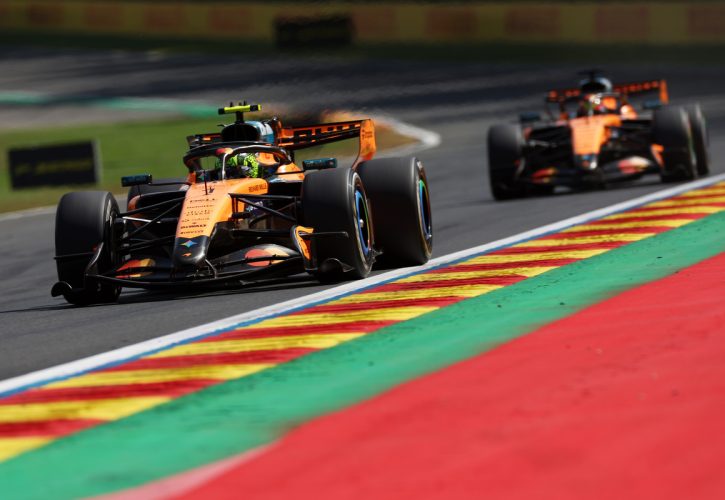
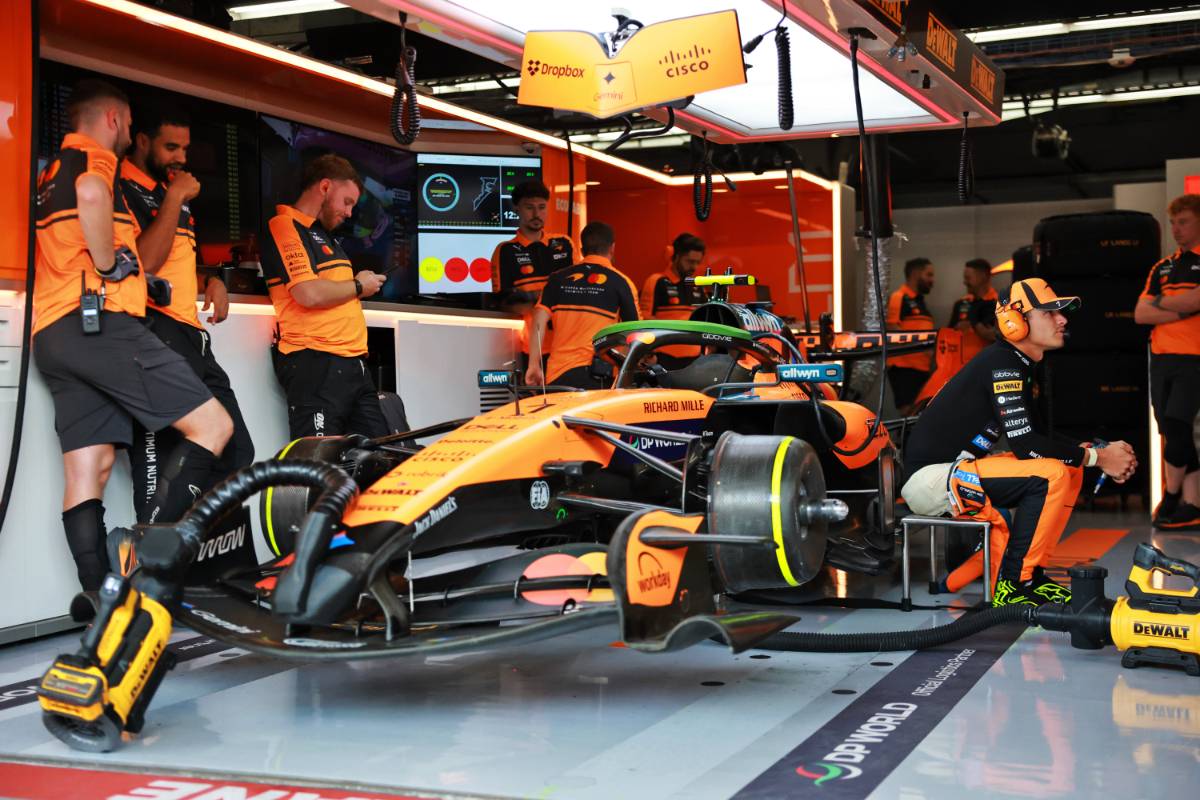
Zak Brown has now offered a candid assessment of why the papaya outfit has struggled to keep pace with its main rivals in 2026, pointing to a combination of development compromises, technical learning curves and shortcomings in the MCL40.
The American CEO is not interested in turning those difficulties into a convenient alibi, however. While acknowledging that McLaren faced several disadvantages during the transition to F1's new technical era, Brown insists the team must take responsibility for its shortfalls.
After securing consecutive Constructors' Championships in 2024 and 2025, alongside Lando Norris's maiden Drivers' crown last year, McLaren entered the new season hoping to maintain its position at the summit.
Instead, Mercedes and Ferrari emerged as stronger contenders, leaving McLaren fighting to recover lost ground. Despite Norris's victories in Hungary, the Netherlands and São Paulo, the Woking-based outfit sits fourth in the Constructors' standings, 17 points behind third-placed Red Bull.
No excuses for McLaren's development compromises
Speaking on Sky Sports' The F1 Show, Brown acknowledged that McLaren's determination to fight for the 2025 titles until the final race had consequences for its preparations for the radically different 2026 machinery.
That commitment also came with a regulatory disadvantage: the championship-winning team received the least wind tunnel allocation, while manufacturers developing their own power units enjoyed an inherent head start in understanding the new technology.
“What’s great is we kind of never talk about it, because we don’t want to have excuses,” Brown responded. “But, reality is you get the least amount of wind tunnel time because the team that won gets it – but we never kind of talk about that.
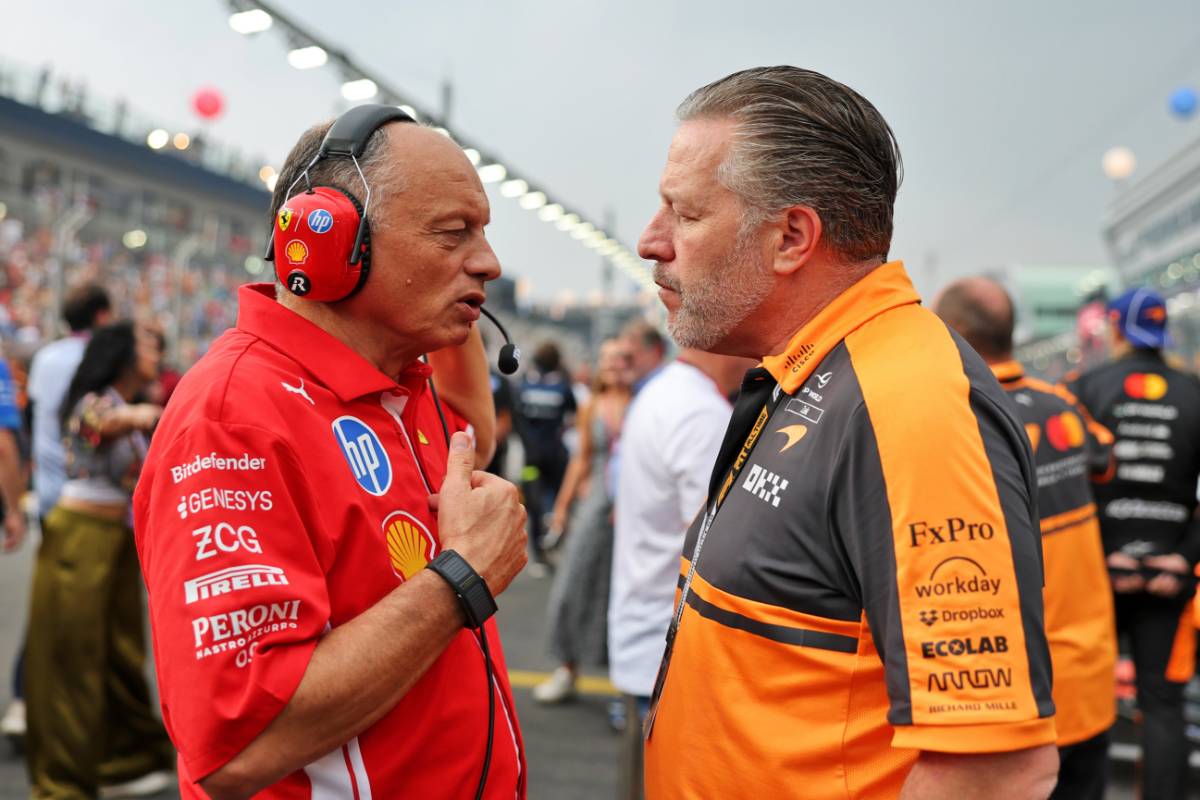
“We were developing and racing pretty hard last year up to the last race. Some teams went, ‘We’re done for ’25, let’s focus on ’26.’ And then also, not being a works team, when a new technology comes out, there’s a lag of understanding how everything works.
“So if I think about how we know the power unit works today versus Australia, night and day, and the works team – rightfully so – they get a head start on you because they’re the works team.
“We’ve now kind of caught up, maybe not yet to their level of knowledge, but we’ve come a long way. So when you kind of package that all together… but what I never want that to make it sound like is an excuse. We’ve just got to do a better job.”
Lessons already feeding into the 2027 car
Brown also identified several areas where the MCL40 has failed to deliver the consistency McLaren needs, with weight and performance through slower corners featuring prominently.
"Weight was a big issue this year for a lot of cars, obviously a shorter wheelbase [results in a] lighter car,” he explained.
"So yeah, I think there's things that… Slow speed corners weren't great for us. We've learned a lot about the power unit this year, and deployment, and all the stuff that we're all still learning.
"I think this season, there's a lot of takeaways and changes we're going to make going into 2027."
For a team that has grown accustomed to fighting for silverware, fourth place is hardly the destination Brown envisaged.
But McLaren's chief executive is already looking beyond the frustrations of 2026, with the lessons learned from the MCL40 expected to shape its next attempt to reclaim the front of the grid.
Read also: Brown recalls McLaren’s ‘toxic environment’ before its revival
Keep up to date with all the F1 news via X and Facebook