

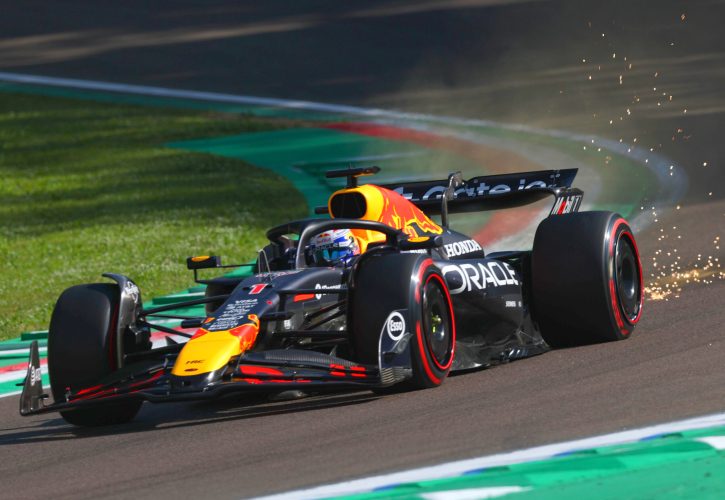


In a bold move signaling its ambitions in Formula 1, Ford has confirmed that it is expanding its technical involvement in Red Bull Powertrains’ ambitious Formula 1 programme, broadening its scope from hybrid components to also working on the internal combustion engine.
The American manufacturer, which announced its return to F1 in partnership with Red Bull in early 2023, is ramping up its contribution as the sport prepares for next year’s sweeping power unit and aerodynamic regulation changes.
Ford’s decision to partner Red Bull was driven by a strategic interest in advancing its expertise in electrification, particularly in the context of the sport’s increased emphasis on hybrid technology for 2026.
The new regulations will place greater importance on the power unit’s battery, aligning with the company’s broader goals in sustainable automotive innovation.
Speaking to Motorsport aktuell, Mark Rushbrook, Global Director of Ford Performance, emphasized the manufacturer’s initial motivations.
“We wanted to learn about electrification: battery cell chemistry, motors, inverters, calibration, control, and how everything interacts with the combustion engine,” he explained.
“We wanted to learn about optimising fuel efficiency.”
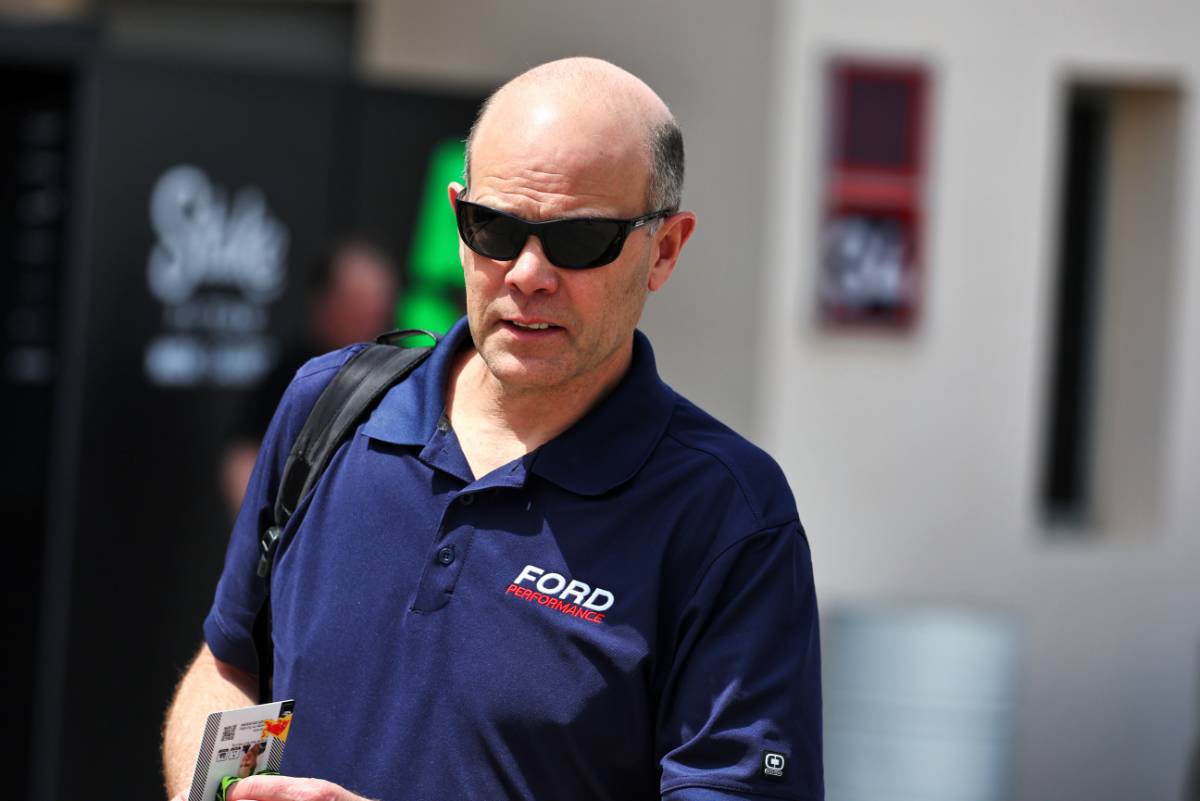
Mark Rushbrook, Ford Performance Motorsports Global Director.
This focus on hybrid systems was a natural entry point for Ford, leveraging its expertise in battery technology. However, as the partnership with Red Bull has evolved, so too has Ford’s scope of involvement.
What began as a targeted contribution to the hybrid elements has now grown into a comprehensive role in developing the entire power unit, including the internal combustion engine.
A Broader Role Amid Red Bull’s Transition
Red Bull is navigating a transformative phase, not only in building its own power unit but also in managing significant personnel changes, with key figures such as Christian Horner, Adrian Newey, and Jonathan Wheatley departing the team.
Against this backdrop, Ford’s expanded role underscores its commitment to supporting Red Bull’s ambitious project. Rushbrook highlighted the shift in Ford’s approach.
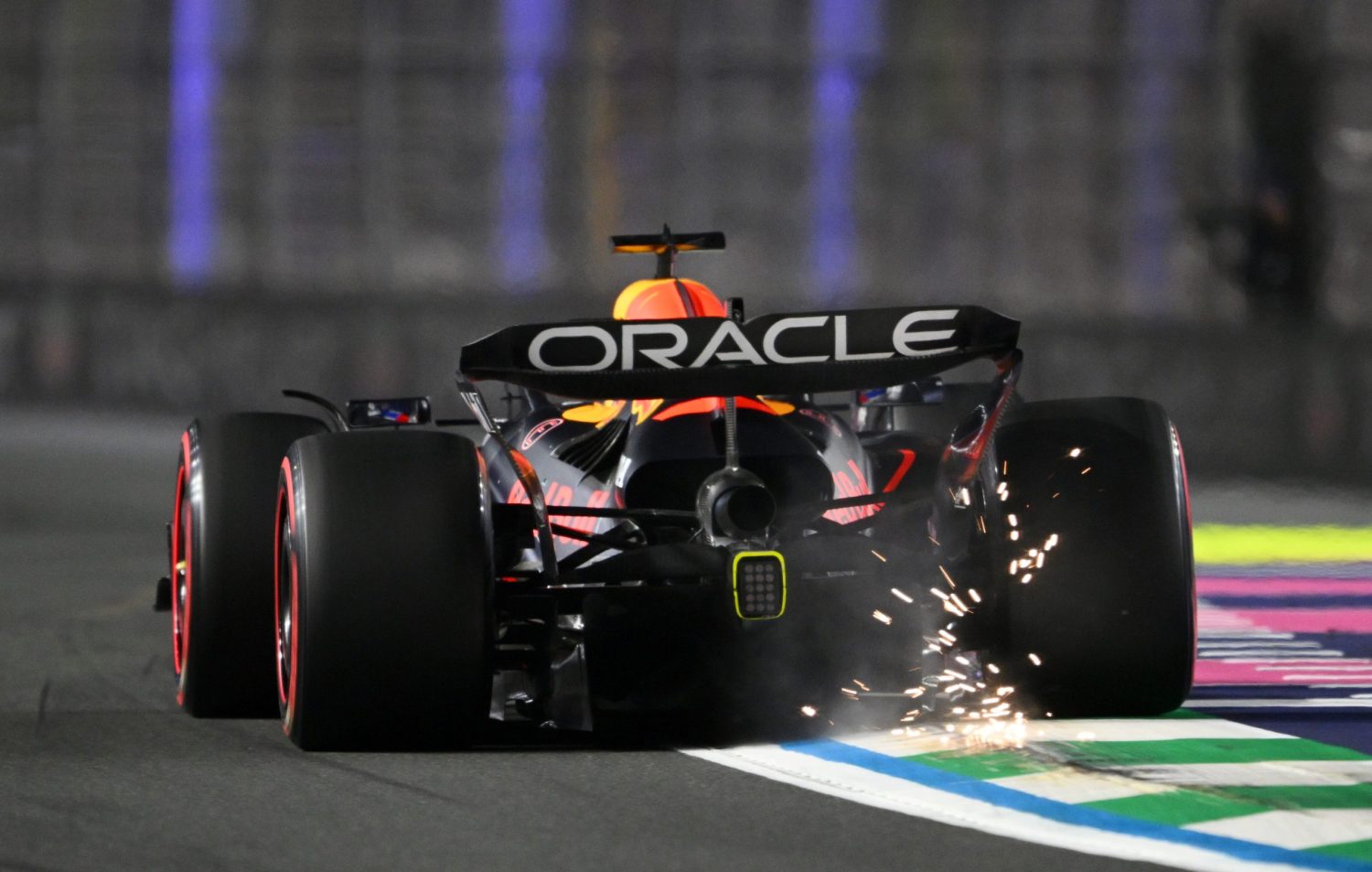
©RedBull
“Initially, we weren’t really interested in working on the combustion engine, but now we’re doing it because we obviously still have a lot to learn in this area,” he said.
“We’re primarily helping with the production of parts. So now we’re working on almost the entire car – and also on the operational side.”
This broader engagement positions Ford as a critical partner in Red Bull’s quest to compete at the highest level when the new regulations take effect.
Read also:
As Formula 1 prepares for a new era defined by advanced hybrid systems and revised aerodynamics, Ford’s deepened collaboration with Red Bull Powertrains signals a shared commitment to innovation and performance.
By expanding its technical reach from hybrid components to the internal combustion engine and beyond, Ford is not only enhancing its own technological expertise but also bolstering Red Bull’s prospects in a highly competitive field.
Keep up to date with all the F1 news via X and Facebook