

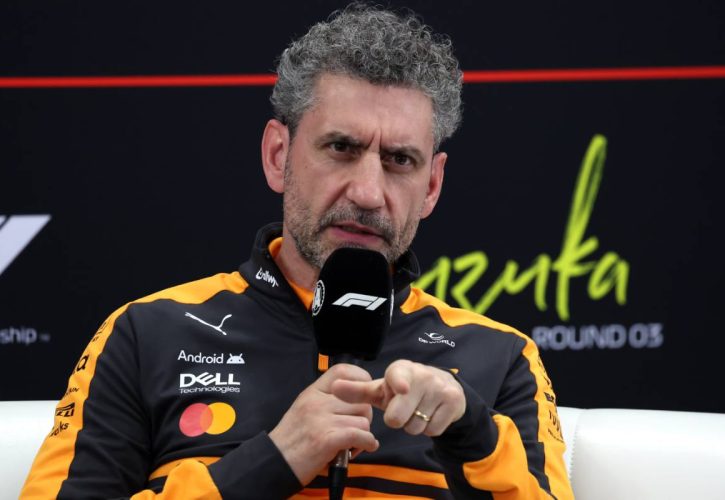


Andrea Stella didn’t arrive in Suzuka expecting a breakthrough – but by Sunday evening, the McLaren boss was left wondering just how close his team had come to pulling off something extraordinary.
Because for a fleeting, tantalizing phase of the Japanese Grand Prix, it wasn’t race winner Mercedes dictating terms – it was McLaren.
And that, even Stella admits, came as a surprise.
A pace no one saw coming
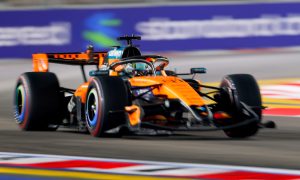
After a bruising start to the 2026 season, McLaren finally put together a clean weekend. Both cars started, both cars finished – and one of them, driven by Oscar Piastri, looked capable of winning.
“We were in condition to start the race with two cars, which is the first time this year, and we were in condition to complete the race," Stella said.
That alone marked progress. But what followed raised eyebrows inside the McLaren garage itself.
“I think today we confirmed the progress that we saw yesterday in qualifying, progress that allowed Oscar to lead the race after a very good start,” added the Italian.
“We were surprised ourselves, especially at the end of the first stint, where we not only were able to keep Russell behind, but we were also opening the gap at the end of the first stint.”
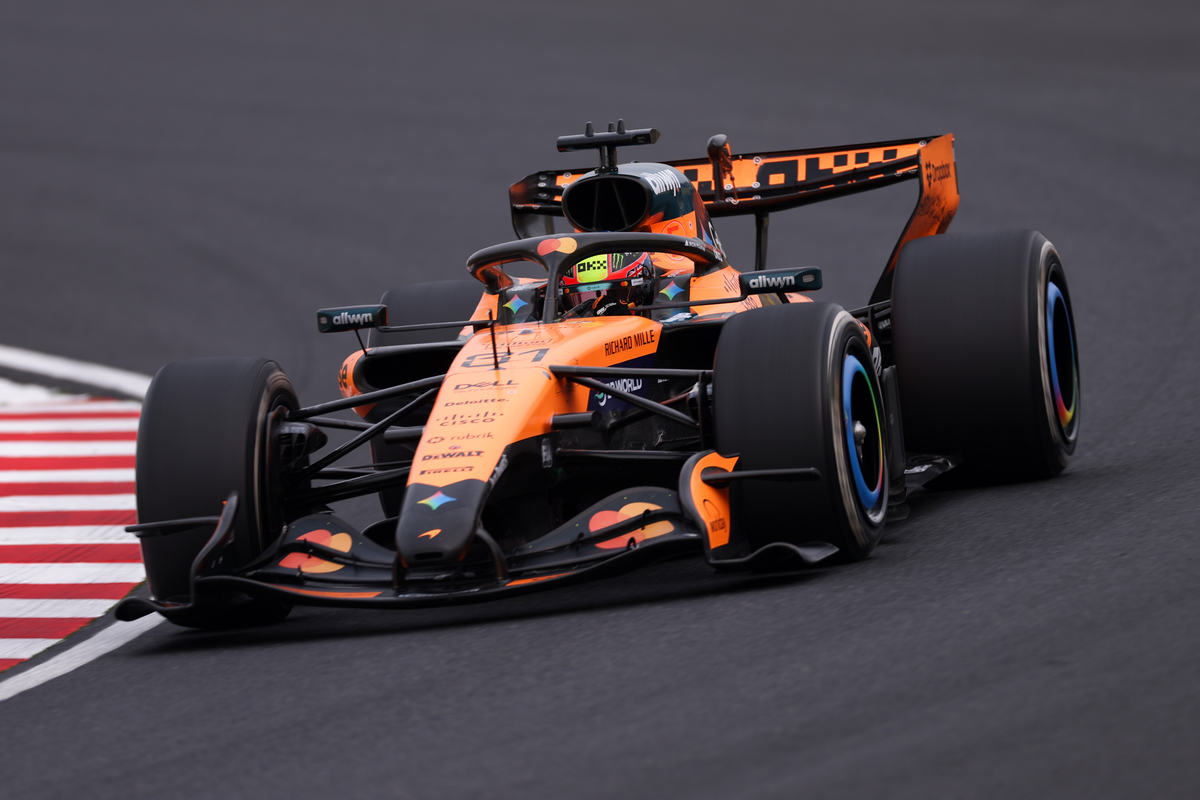
For a team that hadn’t even managed to get on the grid in China, leading – and controlling – the race in Suzuka felt almost surreal.
“So, we thought that we should go first, so that we could retain the leadership, because we wanted to give it a go at winning the race,” he said.
That decision – to pit early and protect track position – was aggressive, intentional, and, as it turned out, horribly timed.
The Safety Car that changed everything
Just one lap after McLaren committed to their strategy, the race turned on its head. A Safety Car –triggered by a heavy crash elsewhere – handed a golden opportunity to Kimi Antonelli, who vaulted into the lead with a perfectly timed stop.
From there, the momentum shifted irreversibly. Piastri, despite a strong restart, found himself chasing rather than controlling. And Antonelli, now in clean air, simply drove away.
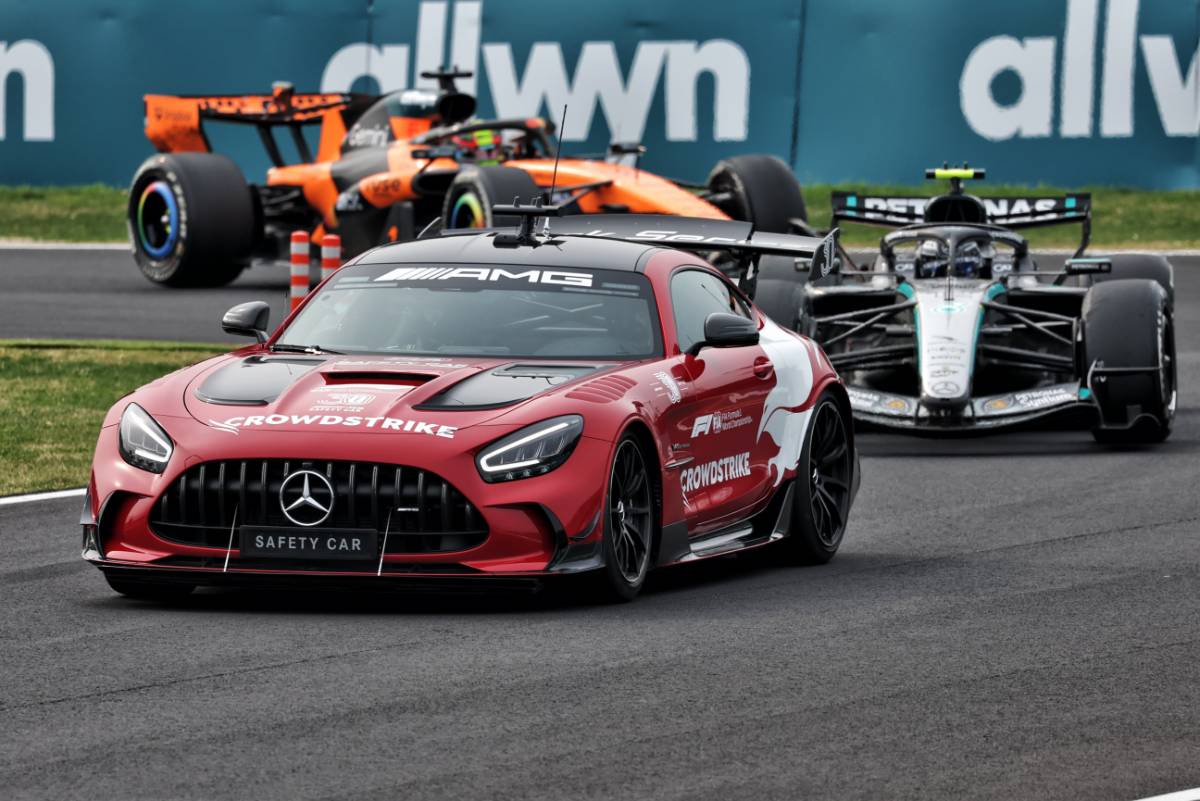
The question lingered: without that intervention, could McLaren have held on? Stella wasn’t convinced the answer is simple.
“We will never know whether, without the Safety Car, it would have been possible [to win] or not," he admitted.
“I think it would have been possible against Russell, because we saw that Russell was struggling anyhow to overtake even Ferrari. I think today McLaren and Ferrari were on a similar pace.”
But Antonelli? That’s where the speculation fades into realism.
“Antonelli, though, he had a faster pace than anybody else. So, I think Antonelli at some stage would have been in the competition for the victory. So, we will not know if Oscar could have won the race or not,” the McLaren chief added.
"Ultimately, it doesn't make a big difference. I think today we should just take the positives, which I said at the start.”
It’s a pragmatic conclusion – but one that doesn’t quite mask the intrigue of what might have been.
A statement drive from Piastri
Lost in the strategic “what ifs” is the performance that made them possible in the first place.
For Piastri, Suzuka was more than just a podium – it was a reintroduction. After missing out in the opening rounds, the Australian delivered under pressure, showcasing both racecraft and composure.
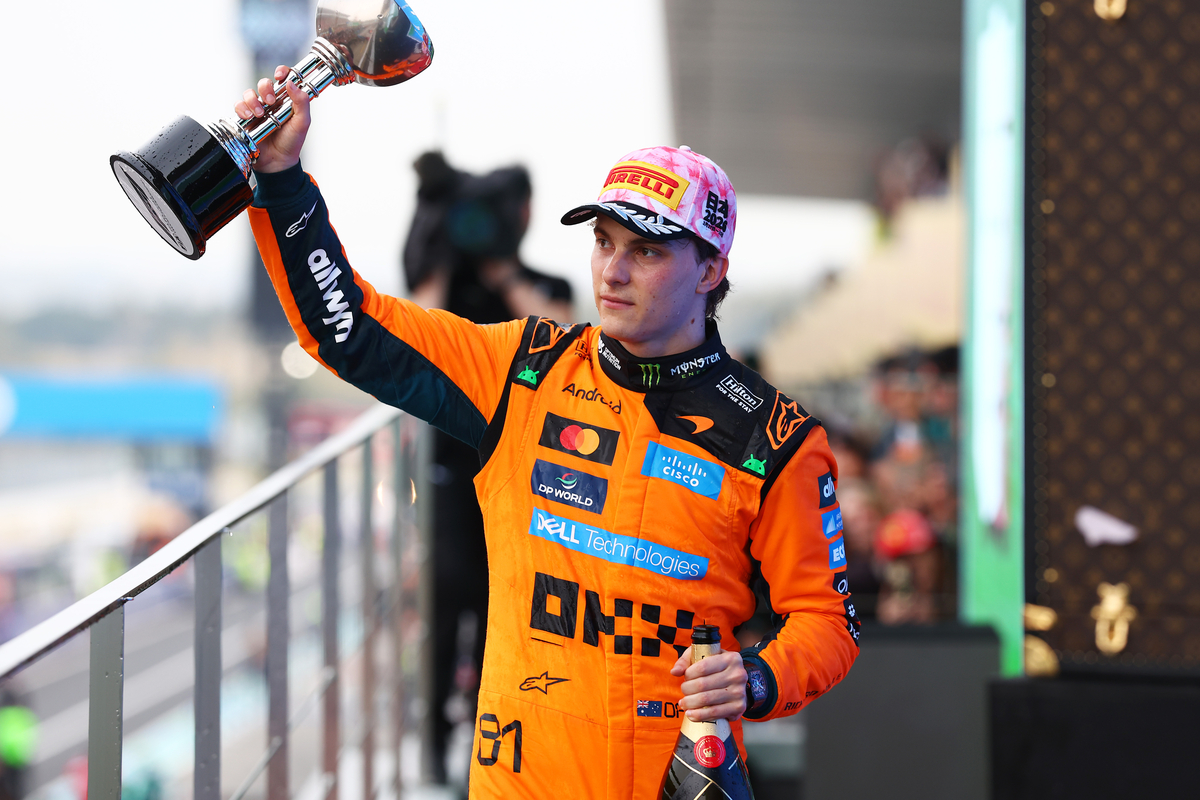
“I think there's a lot of positives for Oscar himself," Stella continued. "He has been driving very well at the start of the season.
"It's a shame that he has not been in a condition to prove it and demonstrate it. Today he had the chance and he did it."
And perhaps that’s the real takeaway. McLaren may have been denied victory by circumstance, timing, or outright pace – but for the first time in 2026, they looked like a team capable of fighting for it.
The surprise, Stella suggests, isn’t just how good they were. It’s how quickly they got there.
Keep up to date with all the F1 news via X and Facebook