



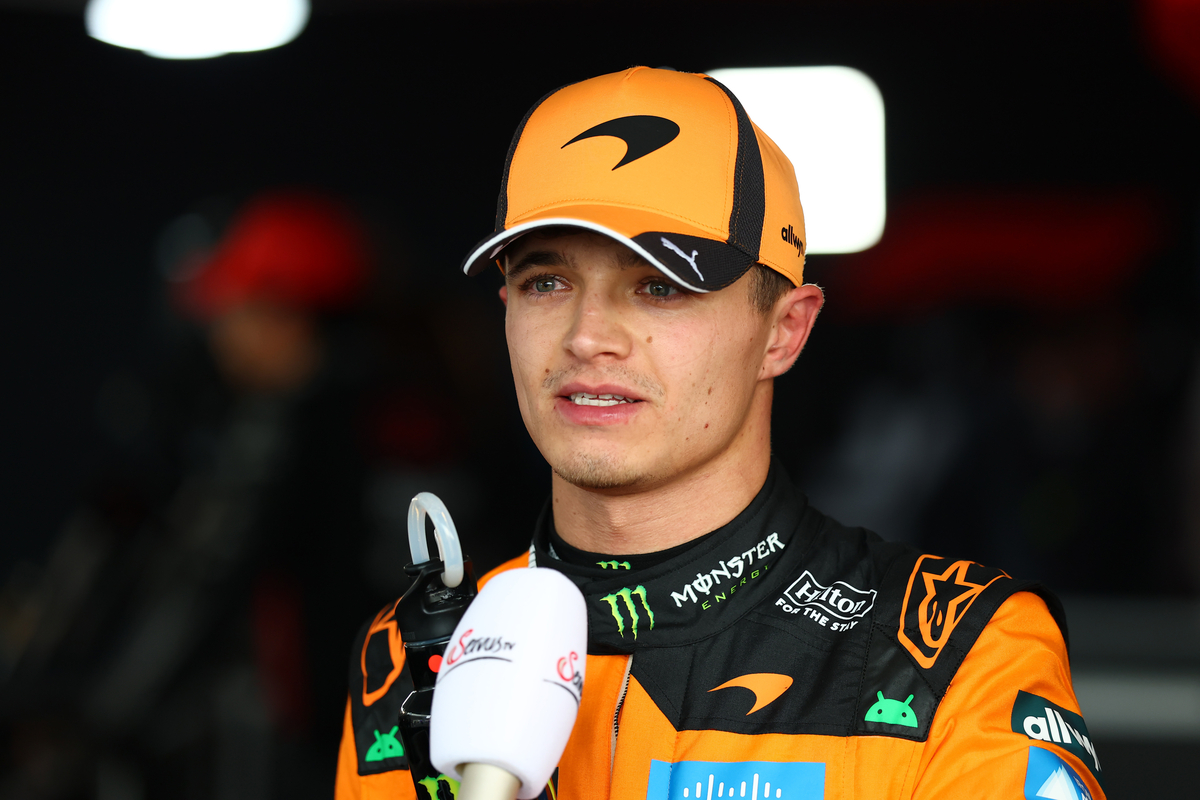
Reigning F1 world champion Lando Norris has sounded the alarm over the sport’s new-era power units, painting a picture of a sport slipping out of the drivers’ hands and into the control of unpredictable energy systems.
In the wake of a chilling incident at Suzuka – where Ollie Bearman crashed after encountering a drastically slower Franco Colapinto – concerns are no longer theoretical. They are unfolding in real time, at terrifying speed.
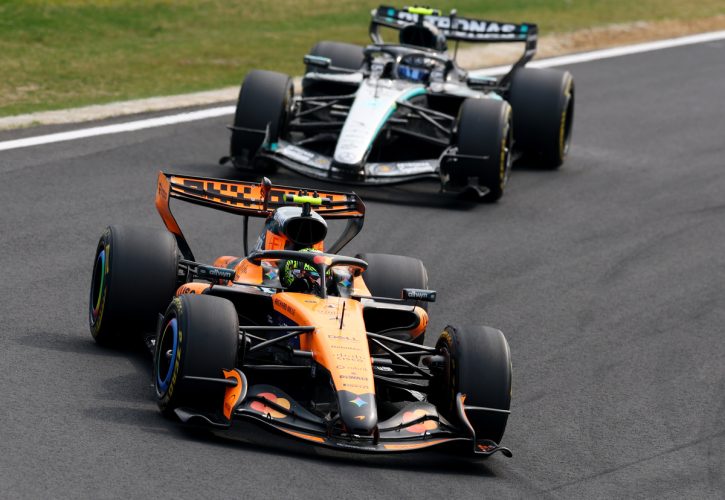
For Norris, the frustration isn't just about safety; it’s about the death of authentic racing. During a frantic battle with Lewis Hamilton in Japan, the McLaren driver found himself fighting his own car as much as his rival.
The sophisticated battery deployment of the new-generation power units has become a ghost in the machine, acting with a mind of its own.
A game of ‘yo-yo’ racing
“I mean, you have two sides of it,” Norris explained when pressed on necessary rule changes.
“From a race point of view, we have more of the safety side, which might have been the cause of today. There’s the racing point of view, and honestly, some of the racing… I didn’t even want to overtake Lewis, it’s just the battery deploys when I don’t want it to deploy, and I can’t control it.
“So, I overtake him, and then I have no battery, so he just flies past. This is not racing. This yo-yoing, even if he says it’s not.”
©McLaren
The concern is palpable. Drivers are no longer the masters of their destiny; they are passengers to an algorithm.
“When you are at the mercy of what the power unit delivers… the drivers should be in control of it, at least, and we’re not,” Norris lamented.
The illusion of competition
The McLaren driver’s remarks are a stinging indictment of the current regulations. While qualifying has seen minor gains, the Sunday experience remains a frantic exercise in energy management rather than raw speed.
“Of course, there have been some better tracks, some worse tracks, they made some improvements - it can still be further improved. We just want to go flat out,” Norris insisted.
“I don’t want to be lifting here and losing 60kph from 130R to the last corner. Most other categories will have a higher top speed than us. Some things can be improved, but the FIA knows that.
“I hope they can do it. Yes, the racing can look great on TV, but the racing inside the car is certainly not as authentic as it should be.”
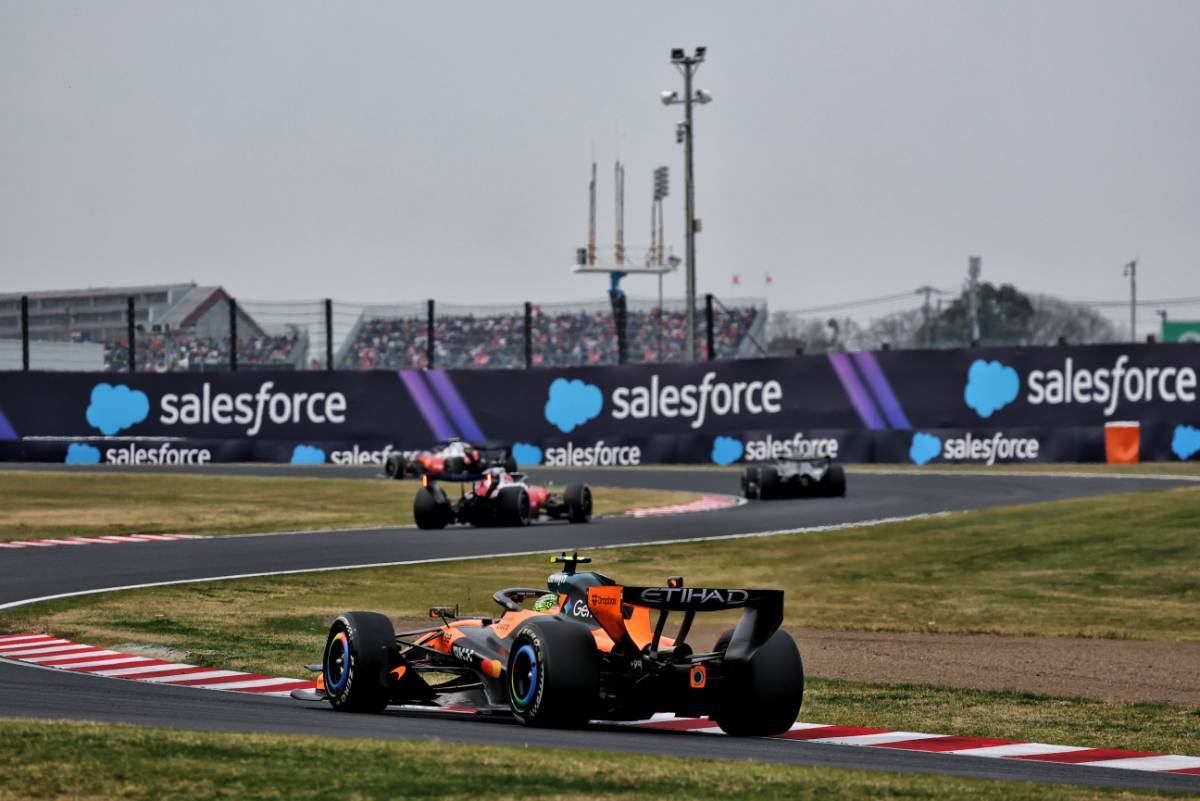
The technical glitching is most terrifying at high speed. Norris described a harrowing sequence through Suzuka’s most iconic corner.
“It’s normally in overtake mode,” he explained. “The problem is it deploys into 130R. I have to lift or else I’ll drive into him.
“And I’m not allowed to go back on throttle: when I go back on throttle, my battery deploys and I don’t want it to because it should have cut. But because you lift and you have to go back on, it redeploys. There’s nothing I can do about it.”
Read also:
For Norris, the current situation is clearly a loss of agency that borders on dangerous.
“There’s just not enough control for the driver, and that’s why you’re just too much at the mercy of what’s behind you. That’s just not how it should be,” he said.
Perhaps the most cutting concern is not just the problem – but the sense that it may go unresolved.
“It doesn’t matter what we say,” the Briton told Viaplay. “Because as long as the fans enjoy it, that’s all that matters.”
For Norris, that reality lands hard. Because beneath the spectacle of modern Formula 1, the drivers – the very core of the sport – are beginning to feel like passengers in their own race.
Keep up to date with all the F1 news via X and Facebook