

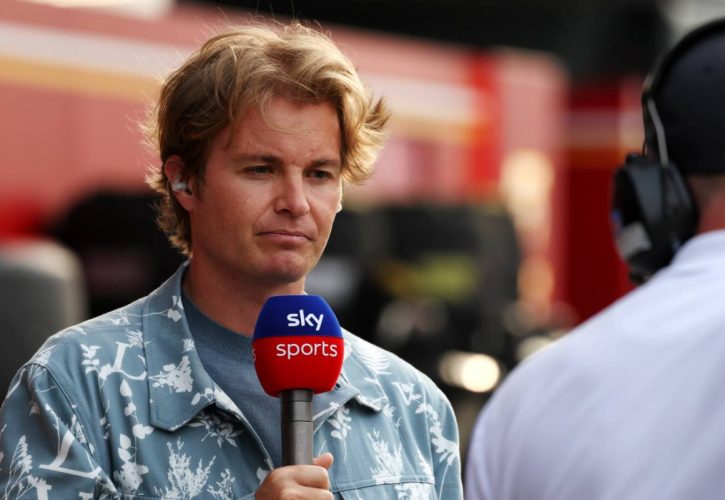


Amid the growing noise around Formula 1’s sweeping 2026 regulation overhaul, Nico Rosberg is striking a notably measured tone – one that cuts through the criticism and refocuses attention where he believes it truly belongs: on the racing itself.
While drivers and fans alike have questioned the sport’s new direction – pointing to energy management quirks and unusual on-track behaviour – Rosberg sees a bigger picture unfolding, one that blends cutting-edge technology with compelling competition.
This year’s changes represent one of the most ambitious shifts in Formula 1 history, with a 50:50 split between internal combustion and electric power, alongside lighter cars, active aerodynamics, and new deployment tools.
And the sport’s 2016 world champion is quick to defend the intent behind it all.
"F1 is pursuing the technology that is most relevant to society, so this power unit is probably one of the most efficient there is in the world,” Rosberg told Bloomberg.
“50:50, 50% battery power, that's a lot. And also, as you know, the fuels are CO2-neutral. Biofuels, synthetic fuels, a mixture of that. So it's a CO2-neutral fuel."
At the same time, he acknowledges that the execution has not been flawless – particularly from a visual and sporting standpoint.
"But there's a lot of criticism at the moment as well, because you can see at the last race, they go down the straight, sort of flat out bend, and have to downshift after the bend, whilst they're still on the straight, because their battery power switches off,” he explained.
Racing still the ultimate currency
Yet where others see a fundamental flaw, Rosberg sees a temporary imperfection – one that fades in importance when the racing delivers.
"From a spectator point of view, it's a bit awkward when you're supposed to be going flat out with the highest performing Formula 1 car,” he acknowledged.
“Nevertheless, I'm a bit more easygoing on that, because from my point of view, as long as there are great battles, intra-team, and the other teams in the battle..."
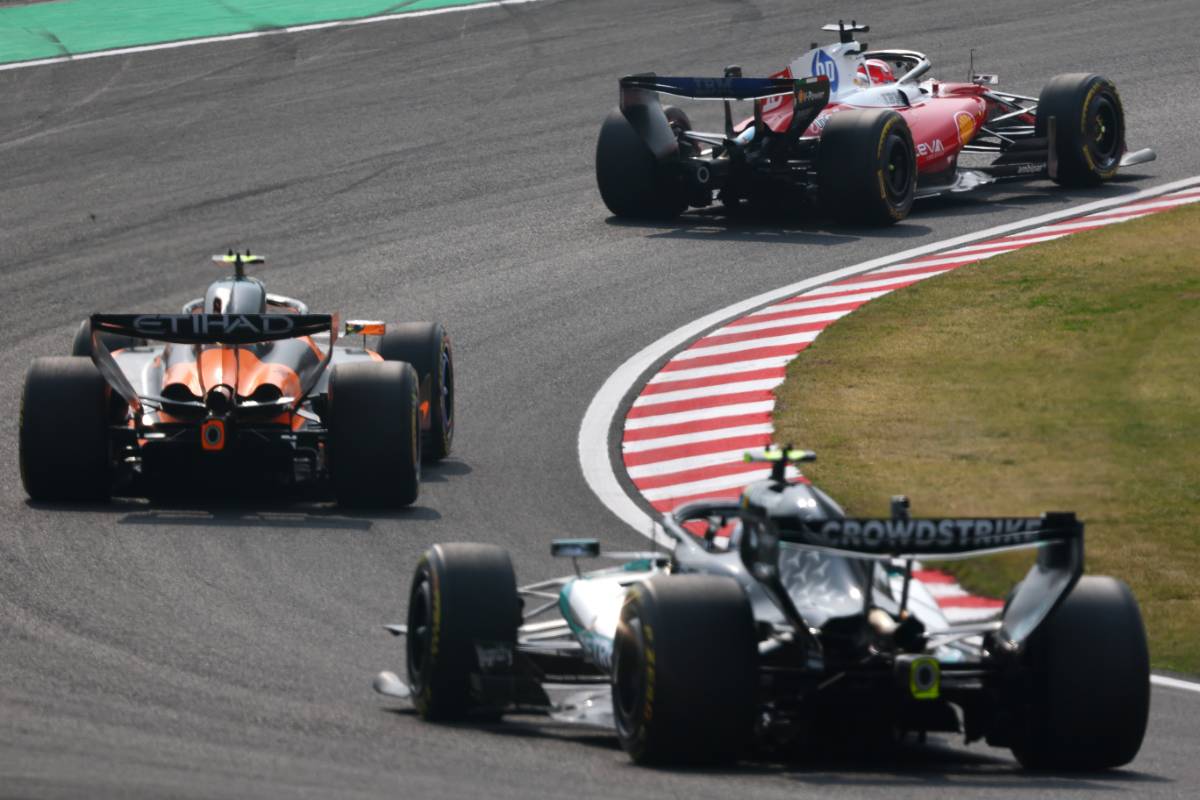
And those battles, he argues, are already beginning to take shape across the grid.
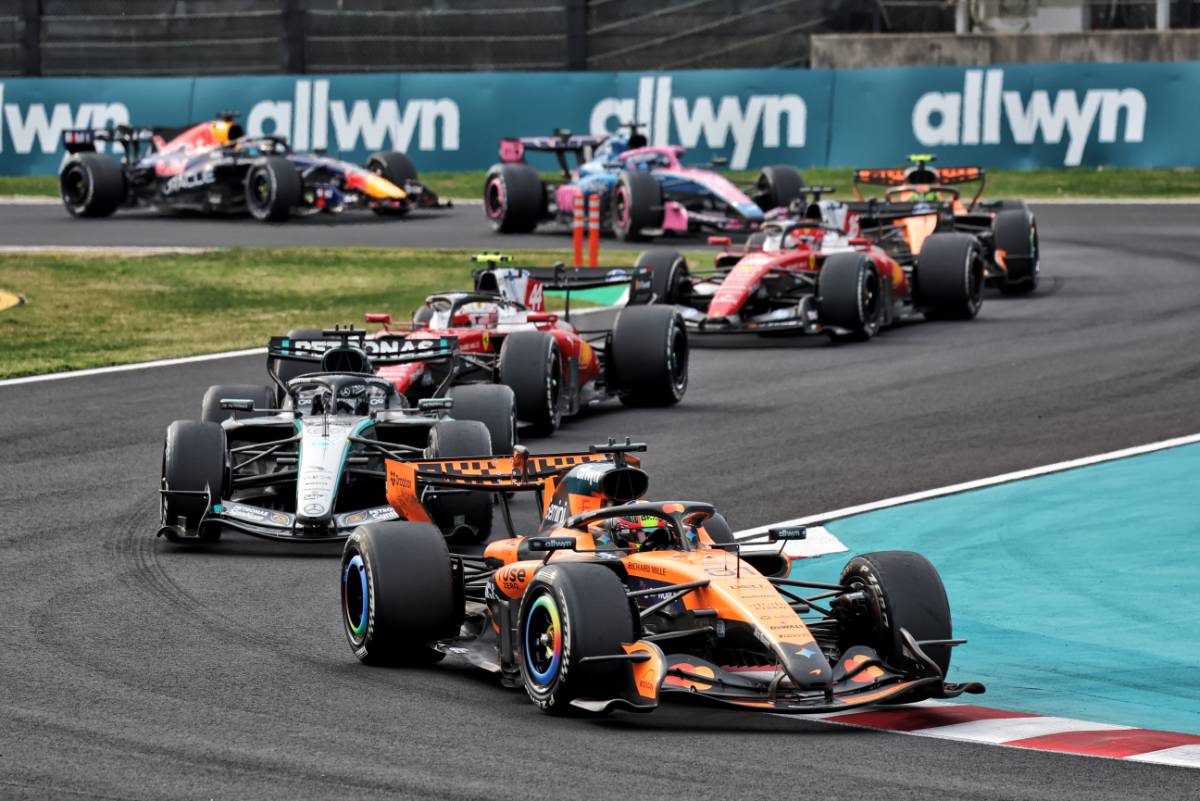
"Hopefully, Ferrari can use this gap [April break] now to close up to Mercedes,” he said.
“McLaren was there already in the last race. So if we get a really cool battle there, then I think all the fans won't mind what the technology is and they’ll just love and appreciate the racing and the battles."
It’s a perspective rooted in Formula 1’s core identity: no matter the machinery, it is the wheel-to-wheel drama that ultimately defines the spectacle.
A new storyline fans can rally behind
Rosberg also points to one of the season’s most compelling emerging narratives – Kimi Antonelli’s stunning rise with Mercedes.
"And what an amazing story we have, 19-year-old Kimi Antonelli, the ultimate underdog, is leading this world championship, three races in," the German continued.
"So that's wonderful. He has so many fans. Even yesterday, at the conference here in San Francisco, at HumanX. Loads of Mercedes fans came, Antonelli fans, as I was walking up on stage, so it's nice to see."
In many ways, Antonelli’s breakout moment reinforces Rosberg’s central argument: Formula 1 thrives on stories, rivalries, and unpredictability.
The regulations may still be finding their footing – but if the racing continues to deliver, Rosberg believes the sport’s audience will follow.
Keep up to date with all the F1 news via X and Facebook