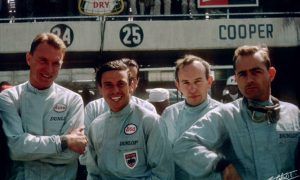





Jenson Button has offered a stark, unusually candid reflection on what really sits beneath the polished surface of Formula 1: not just speed, but fragility.
The 2009 world champion believes that the sport’s greatest drivers are often also its most psychologically exposed – operating in a world where brilliance and doubt sit uncomfortably close together, and where confidence can evaporate after a single poor session.
For decades, the paddock demanded an armor of absolute certainty, viewing any crack in the armor as an unforgivable vulnerability. Today, a shift is underway, revealing that the very people we view as superhuman are often fighting the quietest wars against their own minds.
The illusion of infallibility
It is easy to assume that a cabinet overflowing with trophies acts as a permanent shield against self-doubt. But according to Button, the psychological reality of elite athletes is far more fragile, bound tightly to the present moment rather than past glories.
“As drivers, we’re flawed. We’re insecure, and that will go for any driver," the Briton shared during an appearance on the On the Grid podcast.
To illustrate his point, he highlighted an unexpected example: a seven-time world champion navigating the tense radio waves during a race weekend.
©Ferrari
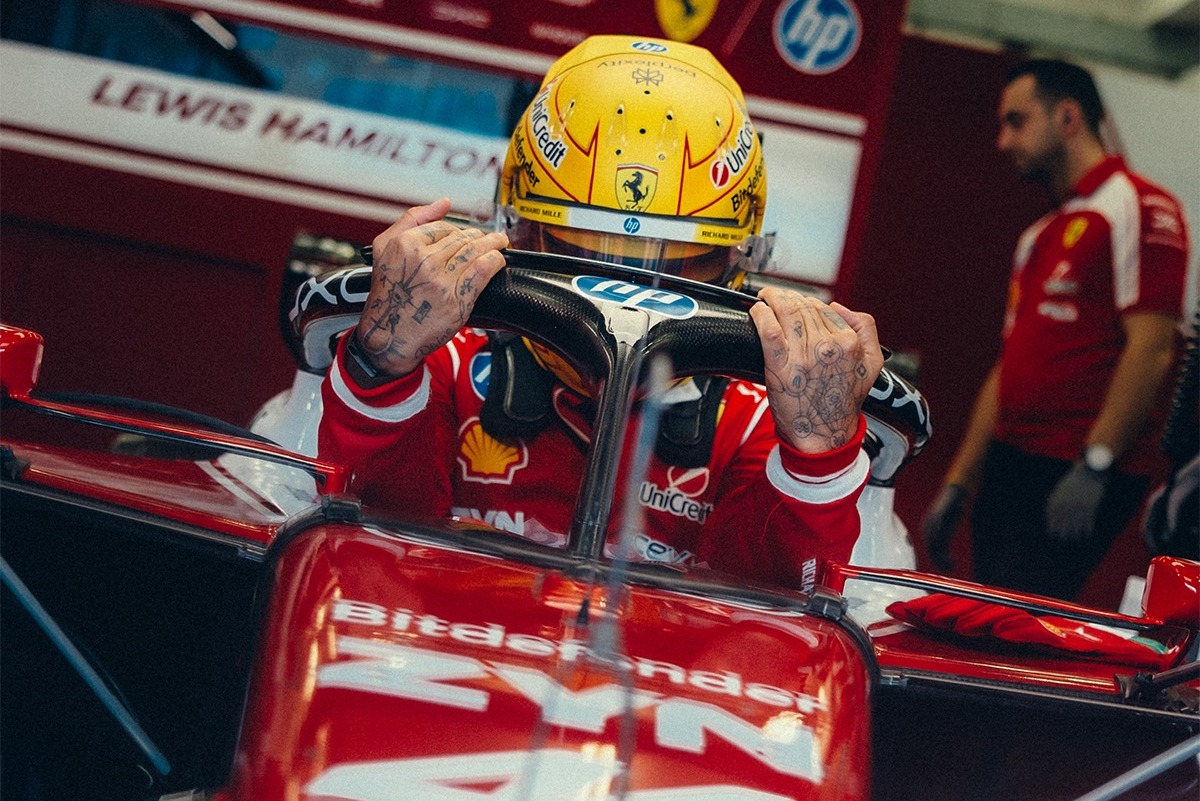
“When I heard Lewis Hamilton on the radio last year to Ferrari, when he asks his questions and they don’t come back to him, and he’s like ‘Have I done something wrong?’.
“You’re a seven-time world champion. The confidence you should have is out of this world, but insecurities creep in. So listening to drivers and their issues is a big thing for leaders.”
This continuous reset of confidence creates a relentless cycle where past milestones provide little comfort when the stopwatch starts ticking again.
"I think you forget what you’ve achieved and you just think about that last session like ‘I’m not good enough. I was two tenths behind my team-mate’," Button explained.
“It’s crazy, and the pressure you put yourself under is enormous. That’s why you see so many drivers fail in the sport. Even though they have the talent, mentally, they’re just in a really dark place.”
Breaking the silence
Historically, the racing community treated internal struggles as a taboo subject, an unwritten rule dictating that any admission of difficulty was a competitive disadvantage.
However, a new generation of competitors is actively dismantling that stigma. Drivers like reigning world champion Lando Norris have used their global platforms to speak candidly about depression and anxiety, shifting the paddock's cultural expectations.
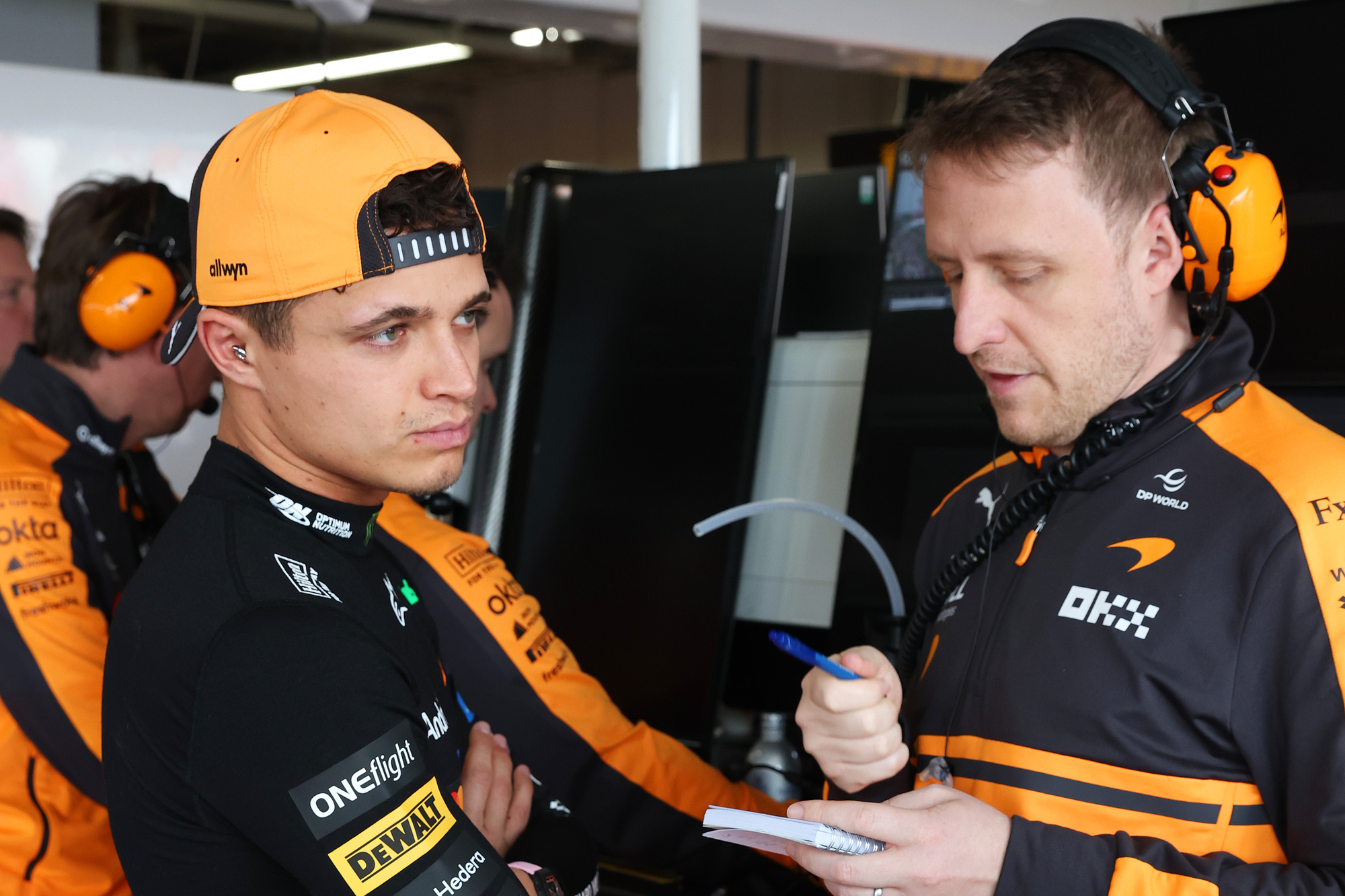
“I’ve heard it from many drivers, and we think of it as a weakness. We don’t talk about it,” Button admitted.
“And that’s what amazed me with Lando, how he’s been outspoken over the last couple of years on mental health. It’s really good, and I think that gives you a lot of strength.”
Read also:
This protective wall isn't unique to Formula 1. Across the two-wheeled world of MotoGP, where the physical stakes are arguably even higher, riders frequently adopt a defensive posture to guard their vulnerabilities.
"There are certain drivers or riders in MotoGP that I’ve thought, ‘He comes across as a bit arrogant’, but it’s not," Button said.
"They just don’t want to let anyone in. They know they have insecurities and don’t want to let anyone in. And it’s the biggest issue, because then you never get over those insecurities.”
The burden of losing more than winning
At the core of this widespread psychological strain is a sobering statistical reality shared across almost every professional sport: the sheer mathematical certainty of failure. Even for the legends of their respective eras, the losses inevitably outnumber the victories.
Recalling a profound conversation with a tennis icon and great sportsman, Button pinpointed the fundamental root of this athletic anxiety.
“It comes down to you lose more than you win," he reflected.
“I spoke to Rodger Federer last year about sport and the mental side of it, and he said, ‘You’ve got to think, I’m the most successful tennis player ever, and I lost 75% of my matches, and that’s a great record’.
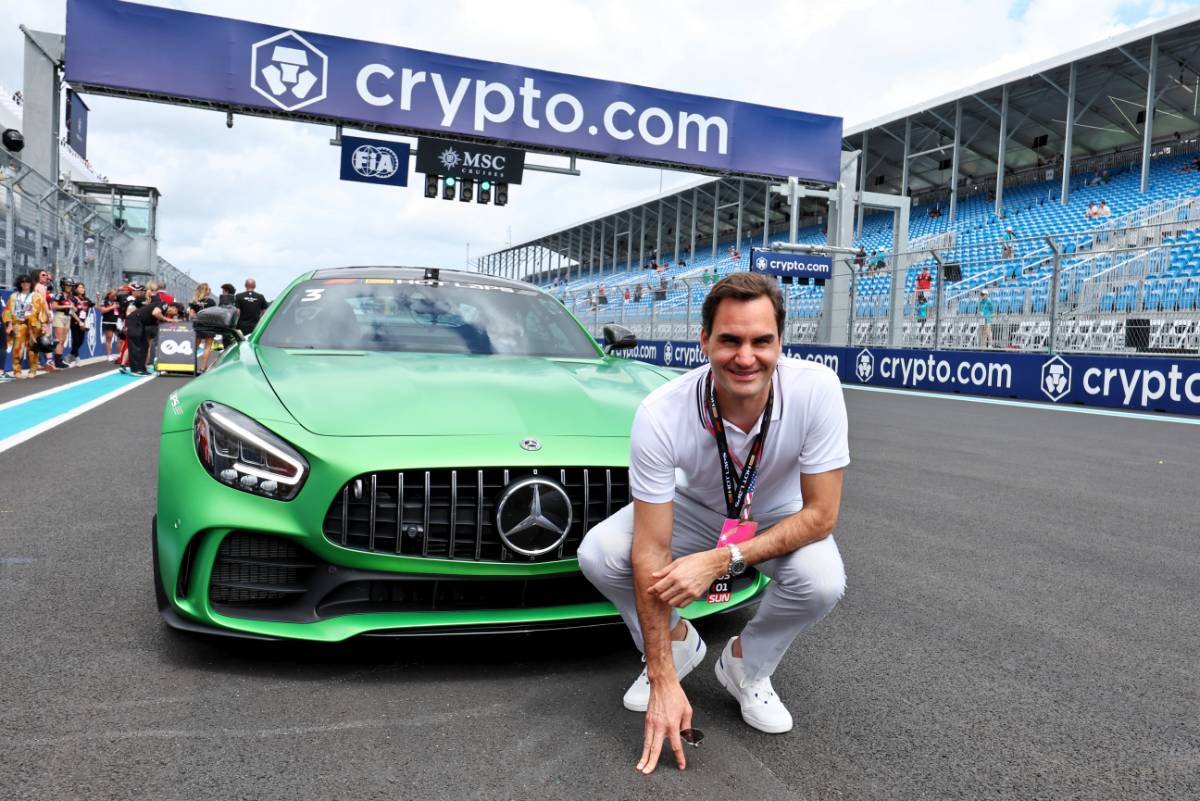
“In F1, I raced 300 grands prix, I won 15. So I lost 285 races. Lewis Hamilton, extraordinary what he’s achieved, but he’s still lost a lot more than he’s won, and that is mentally why it’s tough in any sport, because you lose more than you win.”
Ultimately, Button's reflections serve as a poignant reminder that under the relentless pursuit of perfection, the true test for these athletes isn't just managing the speed on the tarmac, but mastering the quiet insecurity that awaits them when the engines finally stop.
Keep up to date with all the F1 news via X and Facebook