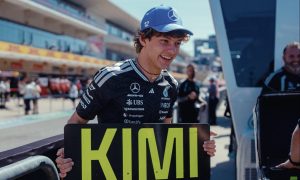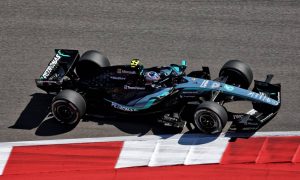


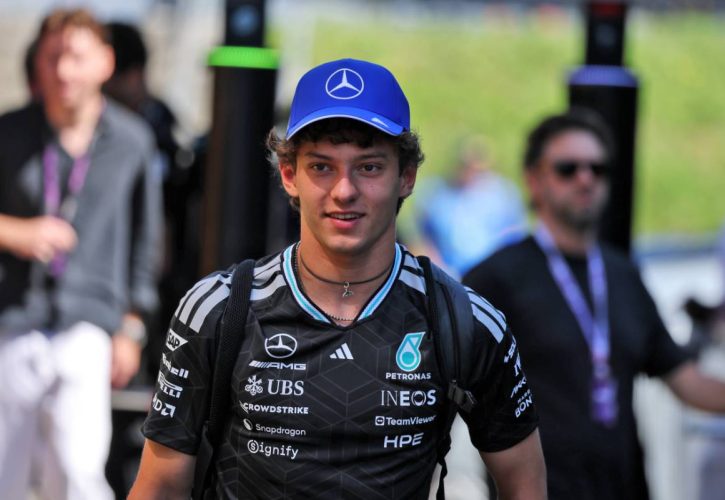


Kimi Antonelli will head into this weekend’s Austrian Grand Prix armed with fresh Mercedes hardware and renewed confidence after shedding light on the technical issue that robbed him of a likely points finish in Barcelona.
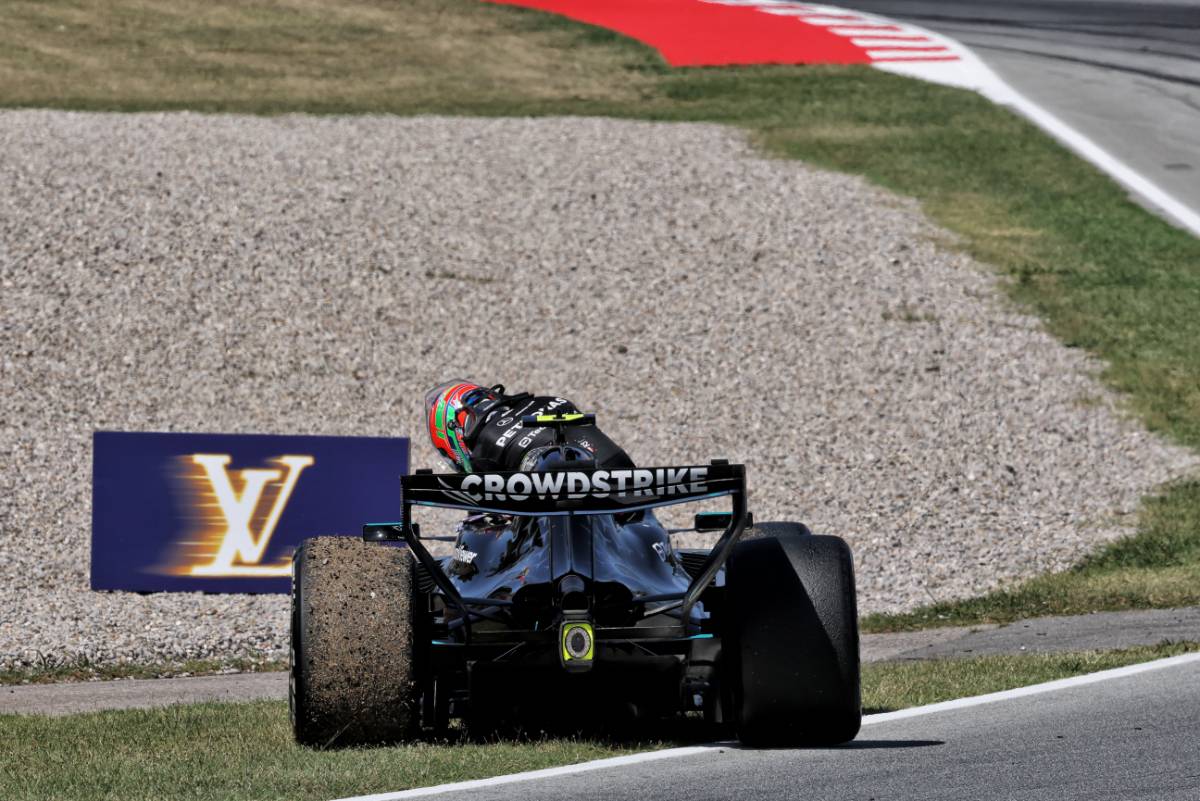
The young Italian was just three laps away from the checkered flag and a podium finish at the Circuit de Barcelona-Catalunya when his Mercedes suddenly ground to a halt, bringing a frustrating end to what had already been a challenging afternoon for the Silver Arrows.
The retirement was not an isolated incident. It followed a growing series of reliability concerns that have quietly troubled Mercedes throughout the season and have already cost the team valuable championship points.
Speaking at the Red Bull Ring on Thursday, Antonelli revealed that the warning signs had been present for some time.
“The issues had actually surfaced some time ago,” Antonelli explained. “I already had some trouble in FP1 in Miami, and then came George’s retirement in Montreal. We’ve left quite a few points on the table.”
Mercedes has since responded by introducing a new power unit and an updated battery package for Austria, incorporating a range of corrective measures designed to prevent a repeat of the failures that have plagued the team in recent races.
What really happened in Barcelona?
While initial speculation centered on overheating, Antonelli explained that the Barcelona failure was more complex than a simple temperature-related issue.
“It’s true that a component suddenly experienced a sharp temperature spike, which caused the battery to glitch,” he explained.
“But in Canada the conditions were completely different, much cooler.”
The comments reinforce Mercedes' belief that the root cause was not linked solely to ambient temperatures. Instead, engineers have focused on improving reliability through software modifications and targeted hardware changes to the battery system.
For a team attempting to challenge at the front of the grid, solving those weaknesses has become increasingly urgent.
Mercedes team principal Toto Wolff recently acknowledged that reliability problems cannot continue if the Brackley squad hopes to remain in the fight for future championships.
Austria will therefore serve as an important test of whether the fixes deliver the desired results.
Wolff draws a line on team orders
One topic that generated particular attention after Barcelona was the battle in the latter part of the race between Antonelli and teammate George Russell.
Mercedes lost valuable time while the pair raced each other, prompting Wolff to publicly question whether the situation had been managed effectively.
According to Antonelli, the issue was addressed directly during the team's post-race review.
“There was a meeting on the matter, and Toto was very clear,” he said.
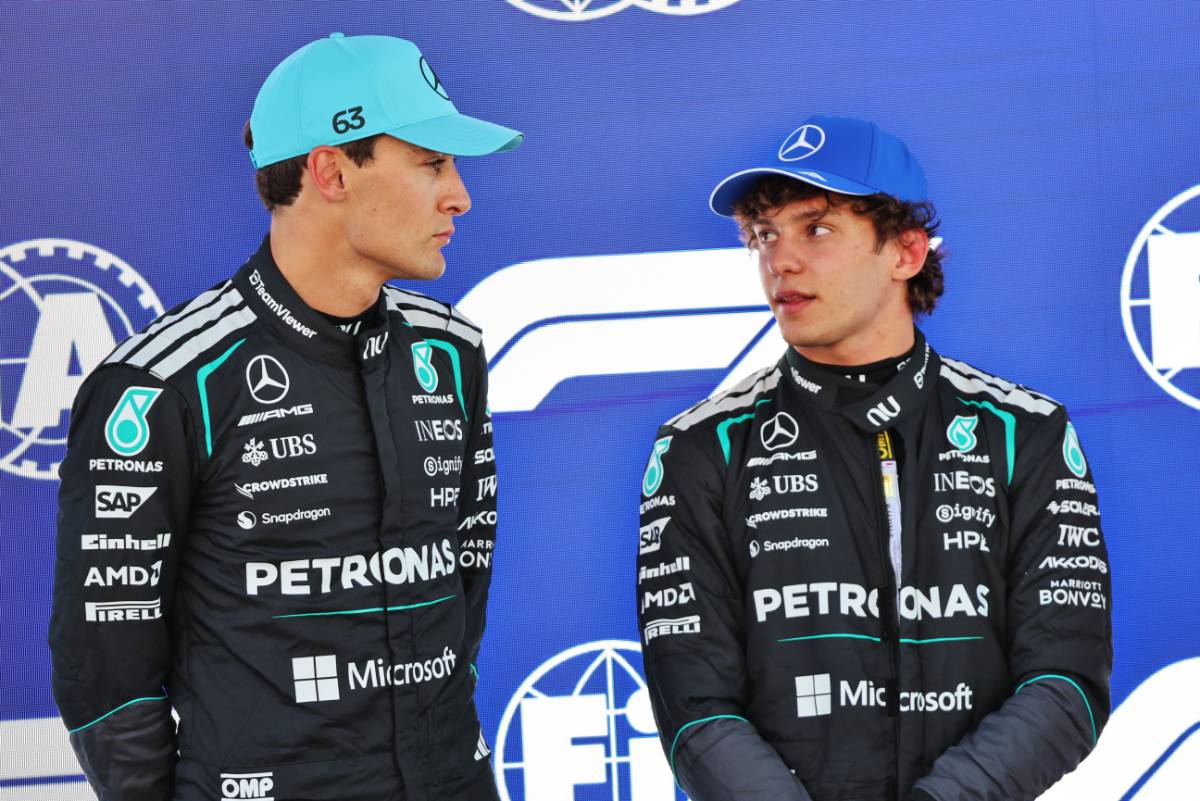
The message from the team principal was straightforward: if Mercedes finds itself under pressure from rival teams, individual battles may need to take a back seat.
“If we find ourselves in a situation like Barcelona again, under pressure from our rivals, there will be a team order, especially if one of the two cars is showing better pace. If, on the other hand, we’re fighting each other without pressure from another team, we’ll be free to race, just as we were in Montreal.”
The clarification establishes a clearer framework for future on-track encounters between Mercedes' drivers as the season enters a crucial phase.
Fresh power unit brings optimism
With four races scheduled in the next five weeks before Formula 1's summer break, Mercedes knows it cannot afford another setback.
Fortunately for Antonelli, the upcoming venues appear better suited to the strengths of the W17 than Barcelona proved to be.
“I think these are all tracks where our car should adapt well,” Antonelli concluded.
“So far, we’ve mainly struggled on circuits with older asphalt and low grip. From that point of view, the Red Bull Ring should be more favourable than Barcelona, even though we’re expecting very high temperatures.
“It’s a very demanding track for the car, from the brakes to the engine, especially since the altitude reduces the amount of available oxygen. In that sense as well, having a fresh power unit is definitely good news.”
After the disappointment of Barcelona, Mercedes will be hoping that "good news" translates into something even more valuable this weekend: a clean, trouble-free race and a return to scoring the points that have slipped through its fingers in recent weeks.
Keep up to date with all the F1 news via X and Facebook