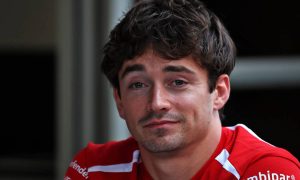


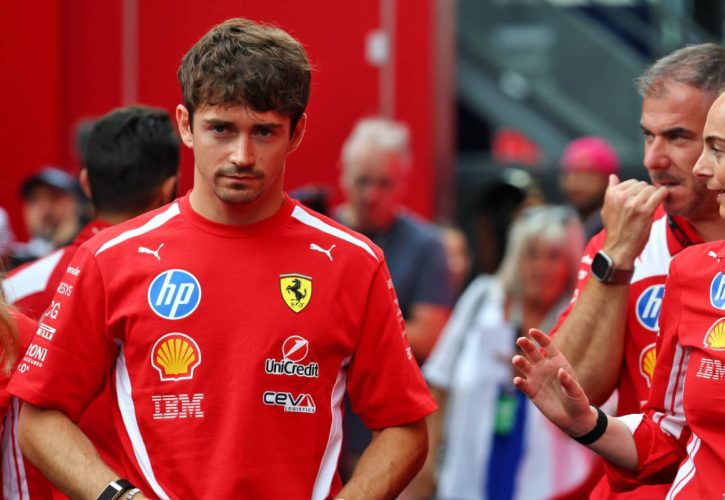


Charles Leclerc believes Formula 1's new-era machinery has forced him to rethink one of the biggest strengths of his career, admitting the aggressive driving style that has long defined him is no longer always the quickest way to extract performance.
The Ferrari star finally returned to the top step of the podium at the British Grand Prix, claiming his first victory of the 2026 season after making subtle but significant changes to both his approach and his SF-26.
While the result offered a welcome breakthrough, Leclerc insists it is only the beginning of a much bigger learning process.
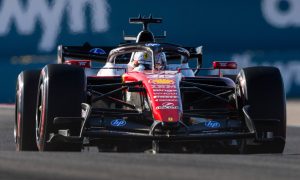
The sweeping regulation changes introduced for 2026 have transformed the way drivers must attack a lap. Reduced downforce, combined with the increased importance of energy deployment and power unit efficiency, has created a very different challenge compared to previous generations of Formula 1 cars.
For Leclerc, adapting has not been straightforward.
Leclerc pinpoints the biggest challenge
Despite trailing team-mate Lewis Hamilton by only a narrow margin after the opening phase of the season, Leclerc rejected suggestions Ferrari's car naturally suits the seven-time world champion better.
Instead, he believes the characteristics of the current regulations have exposed the weaknesses of his own instinctive driving style.
"I don't think it's with the Ferrari itself," Leclerc said ahead of this weekend’s Belgian GP. "I think it's more with this generation of cars. I've got quite an aggressive driving style in general.
"I think that has been a strength during my career. But then with these cars, sometimes you've got to be careful not going the other side because then the dip is quite big.
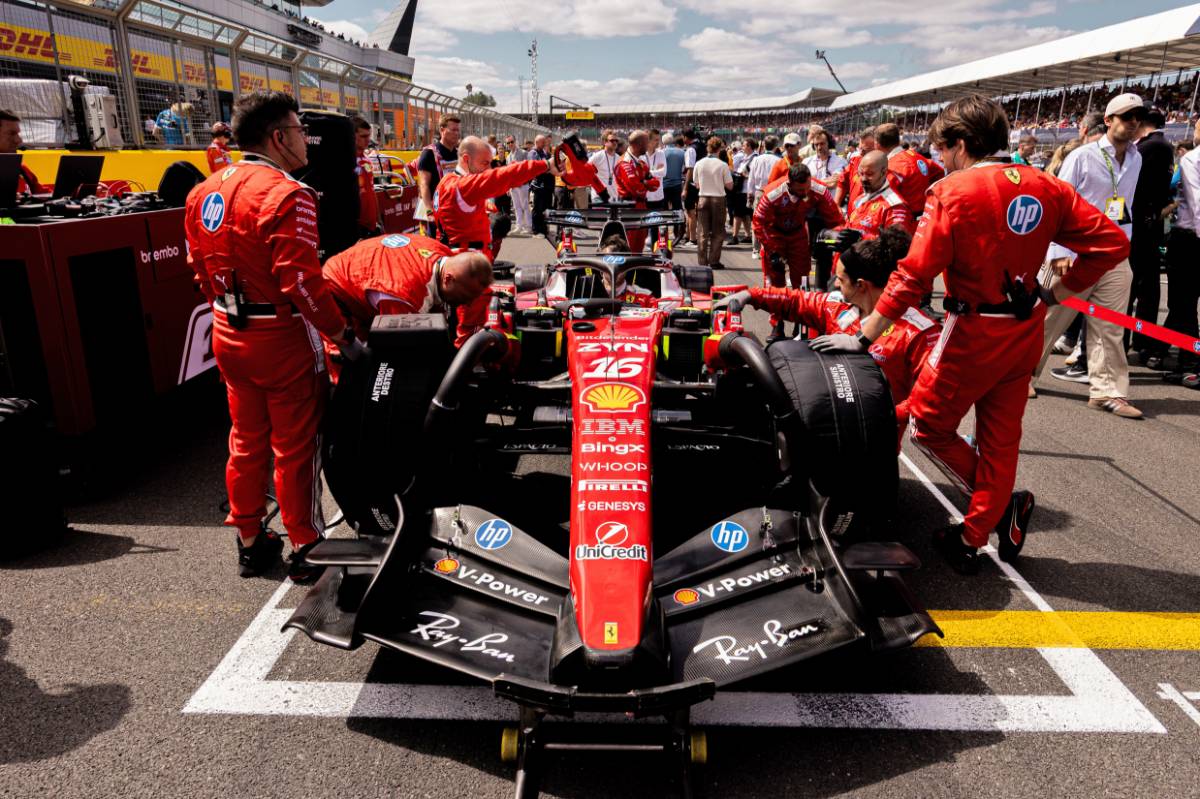
"You can start losing quite a lot of performance power unit-wise if you are not efficient, if you don't go on the throttle in a clean way, if you just don't do things constantly.
"Then it starts becoming a bit tricky because you get into very different issues where your speed into the next corner is different and that changes your braking point and you are always re-adapting your references and it makes it very, very difficult. So, I think there was a little bit of that."
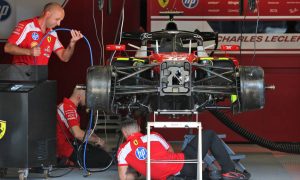
Leclerc revealed that changes made during the Silverstone weekend immediately made the Ferrari feel more natural beneath him.
"And then there was just a few things that I just changed in Silverstone to try and fit this generation of cars and to try and help my driving with it. That made it quite a bit, I mean, quite a lot better,” he said.
"But as I said in Silverstone, this is something I want to prove on multiple racetracks. I'm very happy with the race win, but it's not only with one race win that now everything is fine and I'm relaxed. So there's a lot of work in order to try and keep that form and keep that feeling most of all.
"If the feeling is there, as I was saying earlier, then it's always been the case that when I feel good with a car, normally the lap times and the performance comes."
The tiny discovery that changed everything
Leclerc also explained that there was no dramatic lightbulb moment behind his turnaround. Instead, it was the result of painstaking analysis after sprint qualifying at Silverstone, when a small but important detail emerged from the data.
"It's very difficult to say [where the turning point was], because it's not as easy as that one moment where you realise everything you've done wrong,” he explained.
"So it's a lot of work and trying to understand in the data what is making myself less comfortable with these cars. But there's a moment on Friday night in Silverstone where I saw a detail.
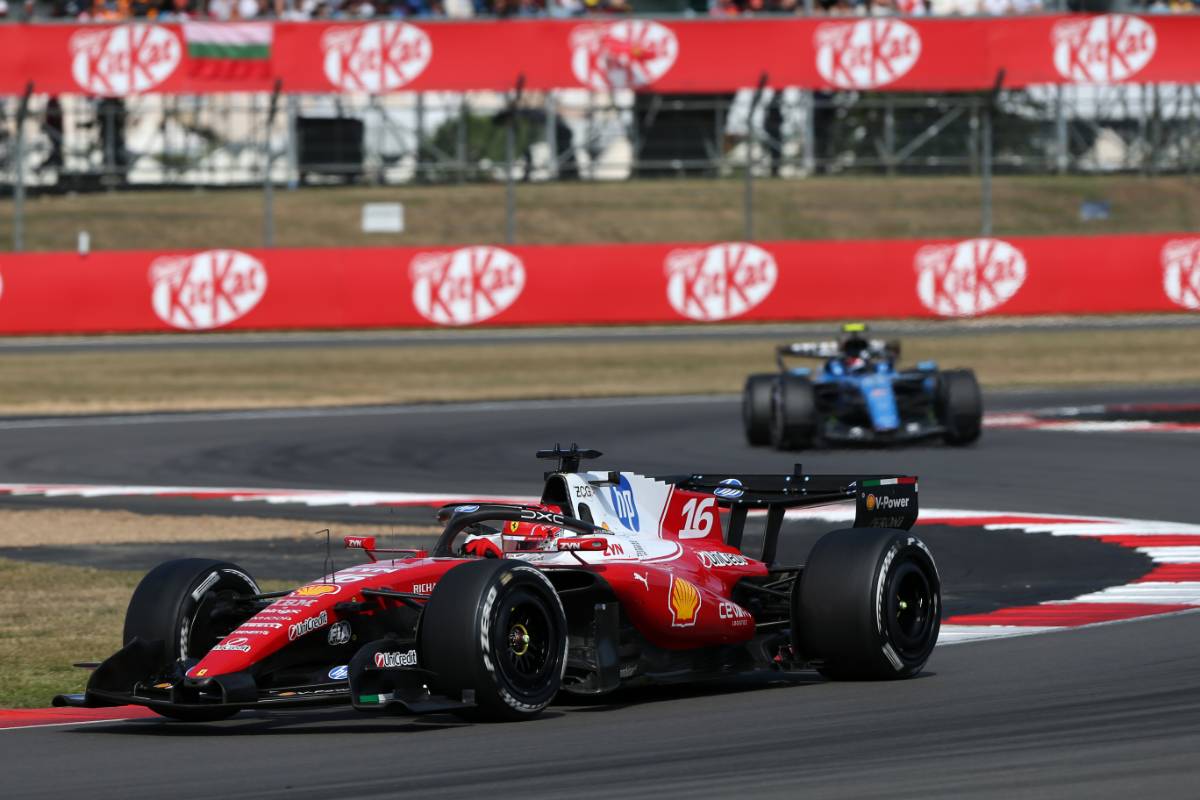
"I was like, 'OK, this is very difficult to quantify, but if I happen to change that and to make it more to my liking, then my feeling will most likely be a lot better'. And when I did that on the Saturday in the afternoon when we could change the car, things were a lot better. So, yeah, that's a good thing.
"Unfortunately, I cannot give much more details. So I don't know if it makes much sense, trying to explain it without giving the details of it, because there's very little sense in what I say that way.
"But just to say that it relies on very fine details and it's not as black and white as it might seem. But it was cool to see that it paid off."
For Leclerc, Silverstone may have delivered more than just a long-awaited victory. It also offered reassurance that, even in Formula 1's radically different era, fine-tuning his approach could allow his natural speed to shine once again.
Keep up to date with all the F1 news via X and Facebook