

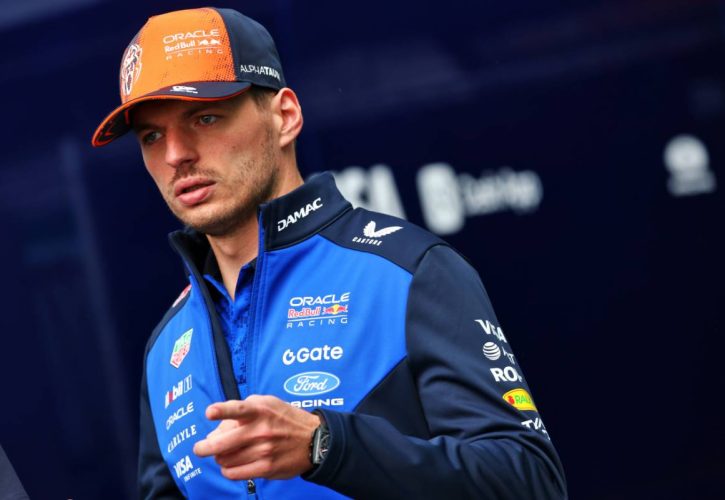


Max Verstappen has never been one to quietly accept what he believes is wrong in Formula 1. But when the four-time world champion began warning about the sport’s 2026 power unit regulations years before they arrived, many dismissed his concerns as little more than another complaint from a driver unhappy with change.
Now, with more drivers openly questioning the impact of the new hybrid systems, Verstappen feels the criticism he faced is starting to look very different.
The Red Bull driver has been among the most outspoken opponents of the new-generation engines, which place a far greater emphasis on electrical energy management and have dramatically changed how drivers approach a lap.
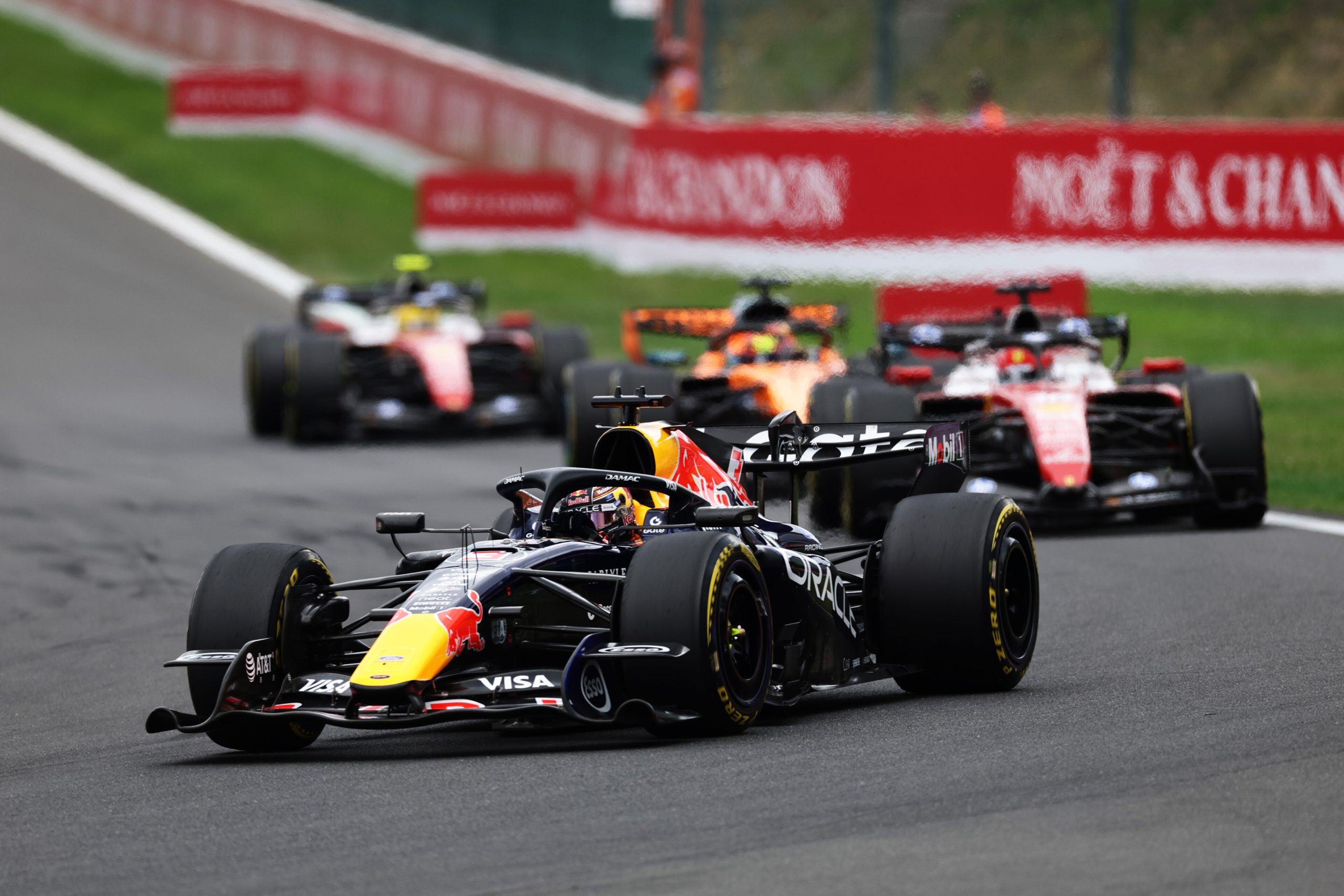
After recent races at Silverstone and Spa-Francorchamps exposed the limitations of the regulations on power-hungry circuits, Verstappen says more of the paddock is beginning to understand the issues he highlighted long ago.
‘He’s complaining’ – but others are now saying the same thing
Ahead of the Hungarian Grand Prix, Verstappen dismissed suggestions that he had been silenced after joking at Spa that he might be “shot” if he continued talking about the engines.
But he made it clear that his concerns were never about personal frustration.
“No, no, I was joking about that one,” he said when asked if he was banned from talking about the 2026 engines. “But I have spoken my mind about these regulations already [for] a long time.
“In the beginning, most people were saying, ‘Ah, he's complaining, he should shut up’. But I have to say that the last few races more and more people are saying the same thing that I could see coming already a long time [ago].
“And it's not about me not winning anymore, it's just because I care about the product.
“Of course, I've said it many, many times, and at one point that's also enough, right? But of course, when people keep asking you, then, yeah, maybe it's not appreciated always.
“But I'm just speaking my mind because you see certain things coming, and then sometimes people say, ‘Ah, yeah, but this was a great race’. I said, ‘Yeah, but is that really realistic, the way we are racing?’
“And then you arrive at some tracks, you're driving on not a lot of horsepower for F1 standards, and it's a little bit painful, which I could see coming already for years.
“So it's then, of course, not the most exciting, right?
“But at one point I'm also a little bit, you know, just fed up with repeating myself because it's already hard enough just having to drive it.”
Verstappen’s argument is that the issue is not simply whether races produce close battles, but whether those battles are being created by genuine competition or by artificial limitations imposed by energy management.
When faster is slower
The Spa weekend provided one of the clearest examples of Verstappen’s frustration.
The complex algorithms controlling electrical deployment meant drivers were forced to manage energy strategically throughout the lap, sometimes sacrificing performance in one section to avoid being punished later.
For Verstappen, that has fundamentally altered the relationship between driver skill and lap time.
“It’s just like your throttle input, like by being faster in the corner, sometimes you lose speed on the straight afterwards, which is not how it should be,” the Red Bull driver said.
“In every kind of racing series, if you gain time in the corner, that’s just free lap time; you would not be penalised on the straight normally.
“Where now, you have to think about using a different gear, or your braking technique, or the way you have to go back on throttle, you have to be different. It’s basically just neutralising a lot of lap time.
“And that’s why you see quite a lot of close battles between teams or team-mates, because sometimes you cannot make a difference.
“You are not allowed to make a difference because it will just penalise you on the next straight.”
The Dutchman believes the complexity of the systems has created situations that defy traditional racing logic.
“Sometimes some unexpected things arise, because it’s so, let’s say, unnatural that you can’t put logic to it. It’s just too complicated - it’s as simple as that,” he concluded.
For years, Verstappen has insisted that Formula 1 must protect the essence of racing: drivers making the difference through bravery, precision and performance. Now, as more voices join the debate, his warnings about the unintended consequences of the 2026 regulations are no longer being heard in isolation.
Keep up to date with all the F1 news via X and Facebook