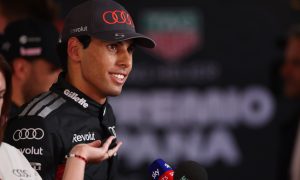


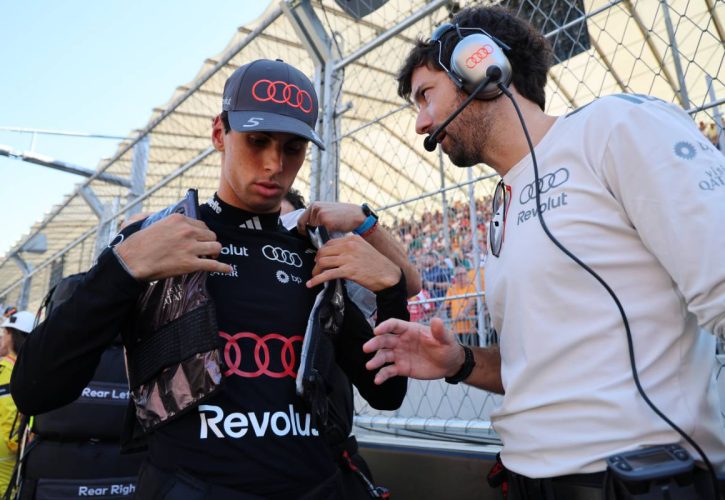


Madrid’s Madring was billed as a dazzling new destination for Formula 1, but for Audi’s Gabriel Bortoleto it apparently came dangerously close to becoming a very expensive sleep aid.
The Brazilian endured a largely uneventful Spanish Grand Prix on Sunday, as the circuit’s much-discussed overtaking problems finally came home to roost.
After a weekend in which Formula 3 and Formula 2 had already provided ample evidence that passing would be a scarce commodity, F1 duly followed the script.
For Bortoleto, the experience was so soporific that he admitted he was struggling to remain awake inside his Audi R26.
Waiting for something – anything – to happen
Asked about the lack of action from the cockpit, Bortoleto delivered perhaps the most brutally concise assessment of the Madring yet.
"Yeah, I almost fell asleep as well!"
That was hardly the only frustration for the Brazilian, whose race was effectively dictated by circumstances rather than opportunity.
The virtual safety car ultimately proved decisive, particularly for drivers stuck on the hard compound and unable to exploit the neutralisation with a conventional pit strategy.
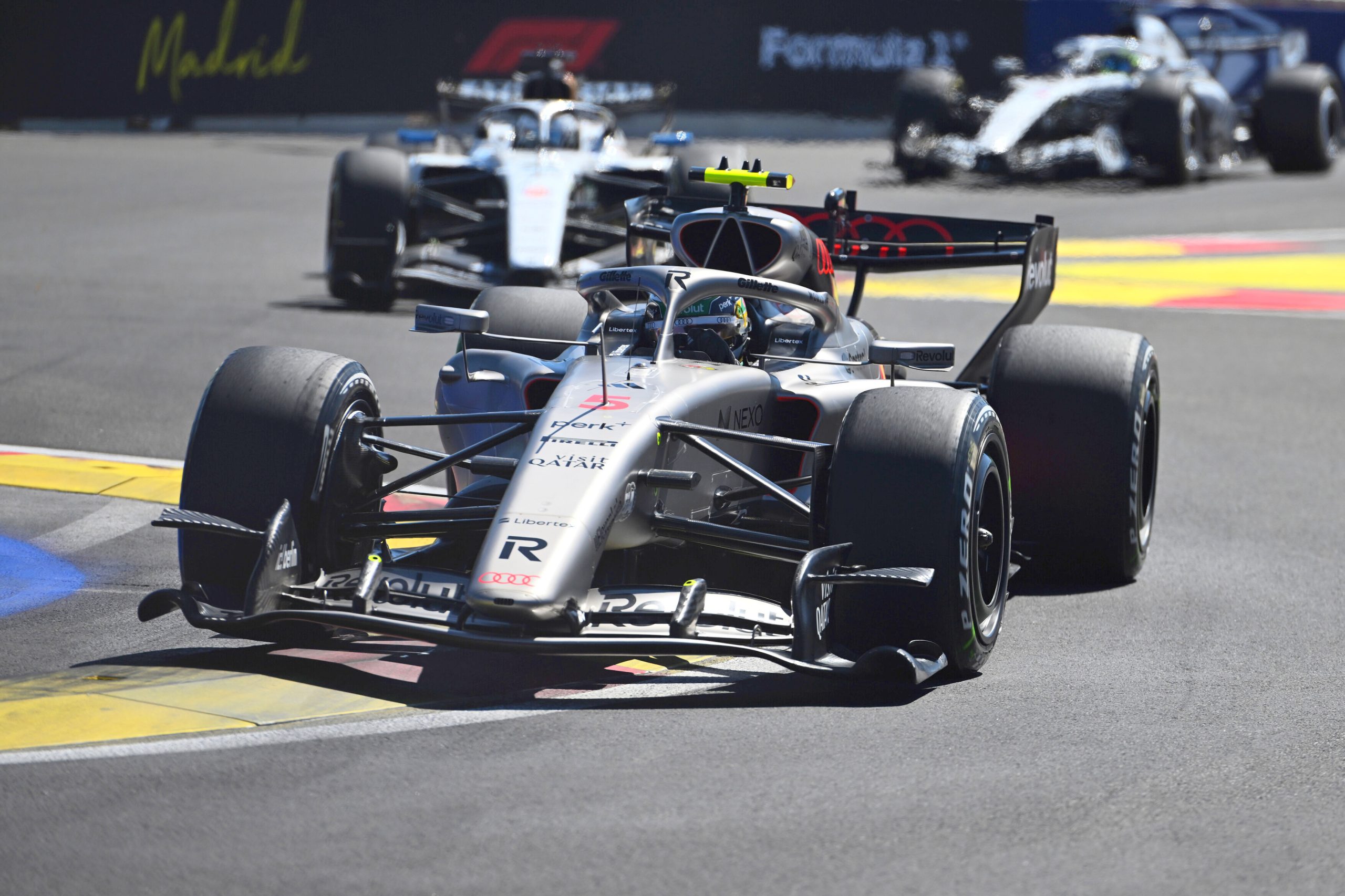
Bortoleto and Pierre Gasly were left hoping that another interruption might eventually throw them a lifeline.
"The race was defined by the virtual safety car in the end, because we couldn't pit with the hard compound, so we had just to accept what happened.
"[The] virtual safety car, I think, makes you 11 seconds more or less, if our numbers [are correct]. After that, there were no more safety cars or virtual safety cars or red flags, so me and Pierre were both waiting for a red flag, maybe, to get lucky on our side and change tyres, but it didn't happen."
In other words, once the VSC had come and gone, there was little left to do but circulate – and hope somebody, somewhere, pressed the big red button.
A track built to only look spectacular?
The criticism of the Madring has centred not merely on the absence of overtaking, but on the sense that the opportunity to create a genuinely competitive circuit was squandered.
With a sizeable portion of the venue available for designers to work with, drivers had hoped for at least one obvious overtaking zone. Instead, the layout prioritised its distinctive banked Turn 12 and the visual character of a street circuit, leaving precious little room for wheel-to-wheel combat.
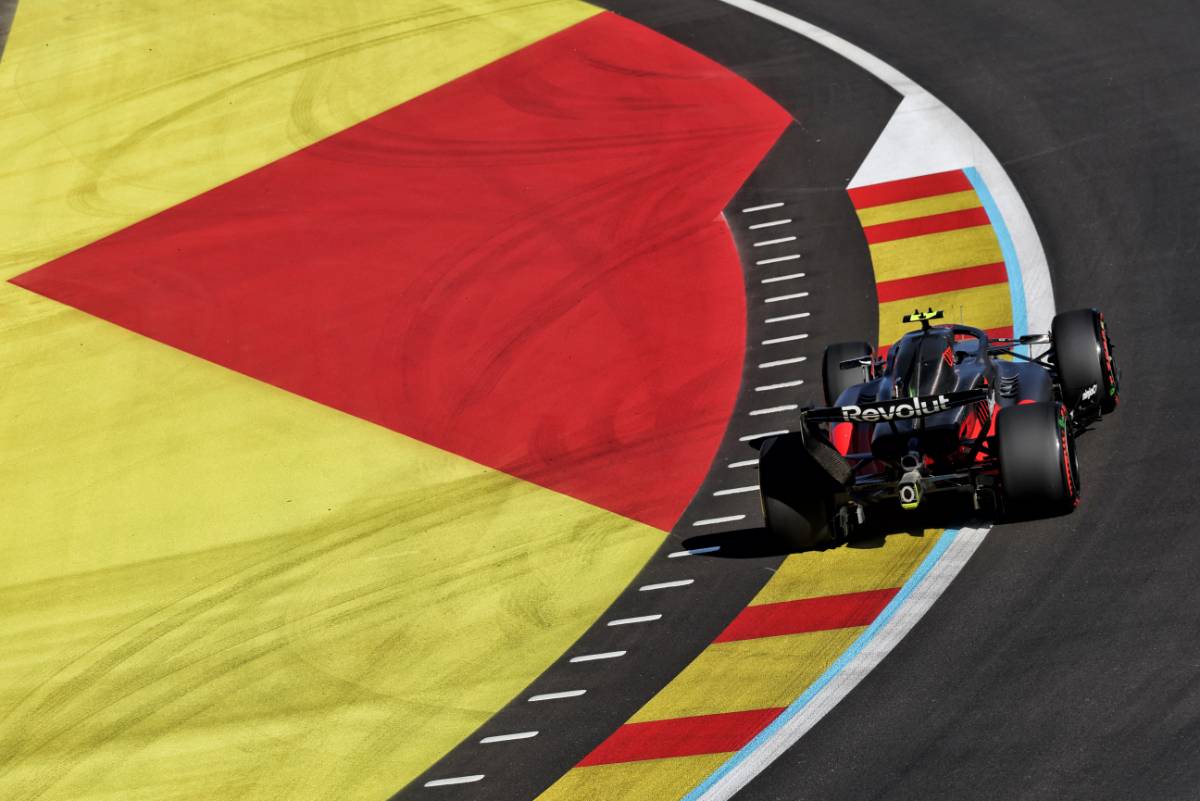
Bortoleto was diplomatic about the circuit's virtues, but considerably less so about its racing credentials.
"It would be nice if we had at least one place to overtake, but unfortunately that's not how they designed it," he said.
"So, there are good parts of this track and bad parts, and, you know, for sure the racing side of it is terrible.
"I think it would be nice if new tracks could come to the drivers, and we could give some opinions because we know, in types of tracks like this, that overtaking is going to be very tough. So, maybe in the future."
The irony is difficult to miss. Formula 1 has spent years searching for circuits capable of producing better racing, only to arrive in Madrid with a layout that apparently left one of its young stars fighting off an afternoon nap.
The Madring certainly looks the part. Whether it actually races like a Formula 1 circuit, however, is another question entirely.
Keep up to date with all the F1 news via X and Facebook