


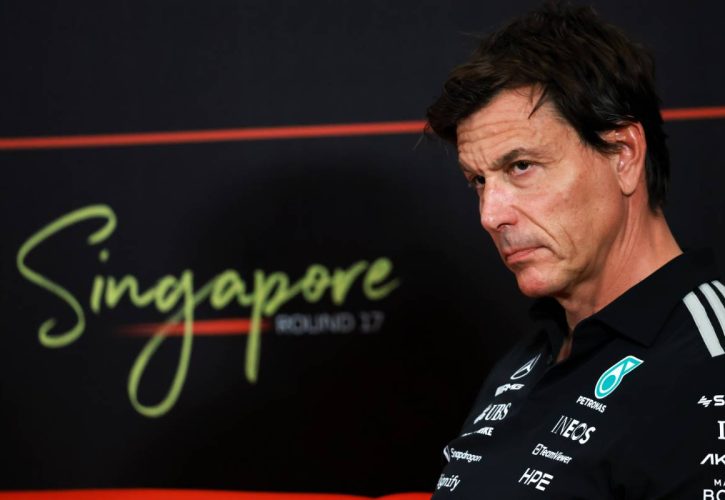


Toto Wolff has little appetite for giving Formula 1 teams a financial lifeline based on their championship position, firmly rejecting James Vowles’ proposal to introduce a sliding-scale budget cap and warning against importing a controversial principle from other forms of motorsport.
The Williams team principal has been pushing for a substantial rethink of F1’s financial regulations, arguing that the combined $215 million CapEx/OpEx allowance risks creating a two-tier championship.
His proposed solution would give lower-ranked teams greater spending freedom to modernise their facilities and close the gap to their better-equipped rivals.
But the Mercedes boss sees little merit in allowing championship standings to determine how much teams can spend. And he is not alone: McLaren CEO Zak Brown also believes the existing financial framework has demonstrated that success does not depend on possessing the biggest factory or the deepest pockets.
Why Wolff sees danger in a sliding scale proposition
Speaking during Friday’s FIA press conference at the Singapore Grand Prix, Wolff made his opposition clear, drawing an unfavourable comparison with Balance of Performance (BoP) systems used in endurance racing to bring competing cars closer together.
"Personally, I don't like the concept of adjustment based on some positions," Wolff stated.
"BoP for me is like a red mist. We're having these tiny little adjustments on aero time, ATR, which is almost invisible to the spectator and hasn't been a big thing because it's really tiny."
The Mercedes chief was equally unconvinced that F1 should introduce another mechanism allowing teams to increase their spending entitlements according to their results.
"Do we really want another mechanism where you're being allowed to have more CapEx, OpEx based on your championship position? I'm not sure," Wolff questioned.
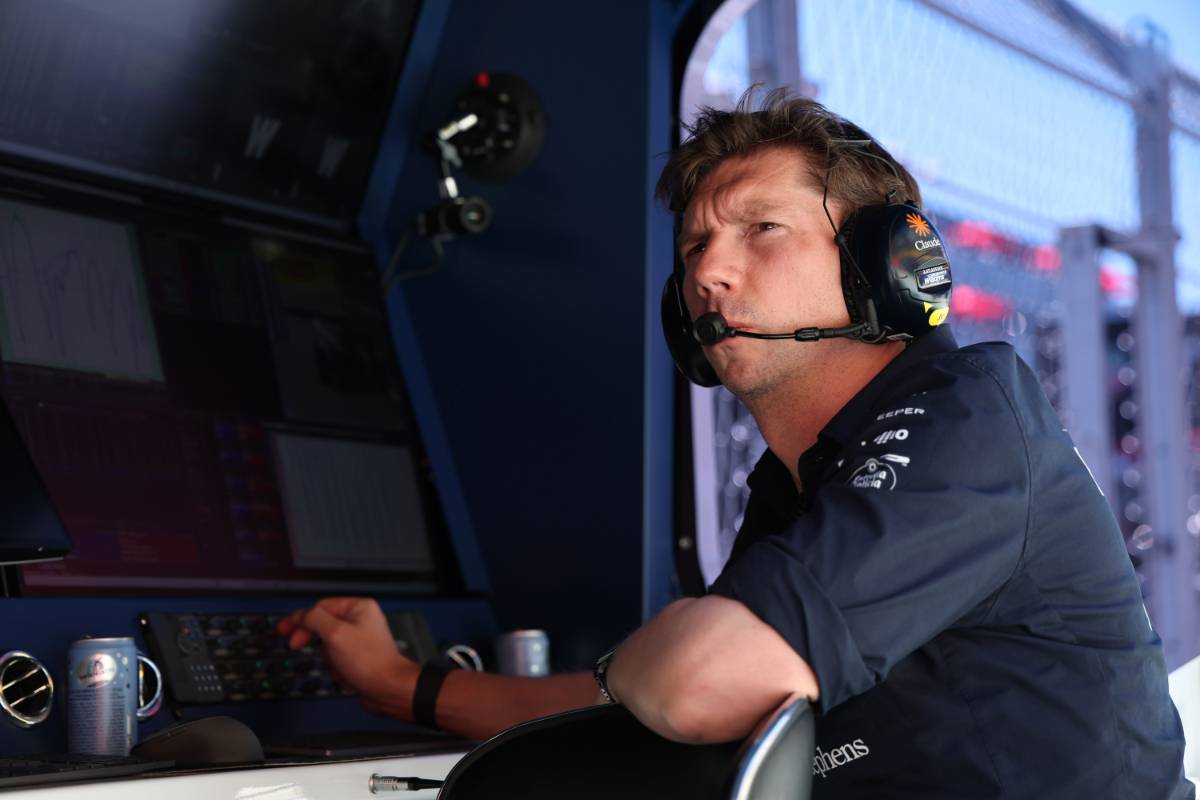
For Wolff, the issue is not whether struggling teams face genuine structural disadvantages, but whether adjusting financial allowances according to competitive performance is the right way to address them.
The Austrian acknowledged that Williams carries the burden of an older-style operation with extensive manufacturing facilities, but questioned whether a bigger spending allowance would deliver the transformation Vowles hopes for.
"I know that James is carrying with him huge ballast with an old-school, old-style Formula 1 team with massive machine shops and lots of production," Wolff concluded regarding the situation at Williams.
"But I don't think that the CapEx/OpEx is going to unleash much more potential, in my opinion, and not with an adjustment mechanism."
Wolff identifies a different cost-cap problem
Wolff does, however, believe the financial regulations are creating a serious problem elsewhere: attracting and retaining the engineering talent that drives performance.
"Now you can get someone into a Formula 1 team today on enthusiasm, but at a certain stage, when after five, six or seven years and you have a PhD, your salaries are still depressed versus a tech company or a hedge fund or investment banking, that becomes a problem," Wolff explained.
Rather than granting underperforming teams additional money for machinery and infrastructure, he would prefer a dedicated salary allowance within the cost cap.
Without one, F1 risks losing highly qualified engineers to industries capable of offering substantially better financial rewards.
Brown, meanwhile, believes McLaren's own resurgence demonstrates why the existing system should not be dismissed. The Woking outfit has returned to championship-winning form without boasting the largest infrastructure on the grid.
Read also:
"I know we don't have the largest infrastructure in Formula 1. I don't think we have the second or third largest infrastructure in Formula 1," Brown stated.
"We've got a customer engine, all these things which you hear over the years you can't win a championship with, and we have. And I think that's because we're a really well-performing team of people."
Wolff agreed with that assessment, pointing to McLaren's recovery as evidence that strong management and effective execution can overcome disadvantages that might once have seemed insurmountable.
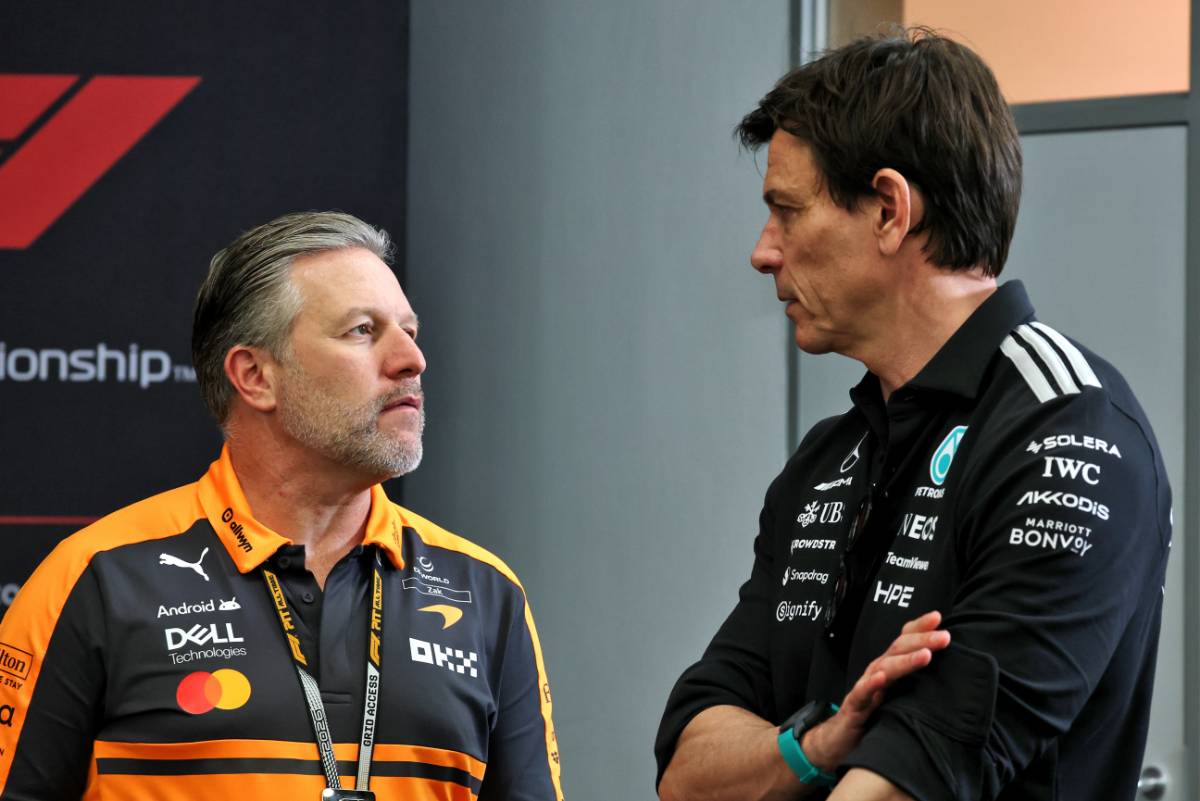
His message to Vowles is therefore pointed: while Williams' legacy infrastructure presents genuine challenges, handing teams extra spending power according to their championship position is unlikely to be the answer.
For the Mercedes boss, the priority should be ensuring that F1 can attract the best people and reward their expertise – not introducing another financial adjustment designed to compensate for where a team finishes.
Keep up to date with all the F1 news via X and Facebook