


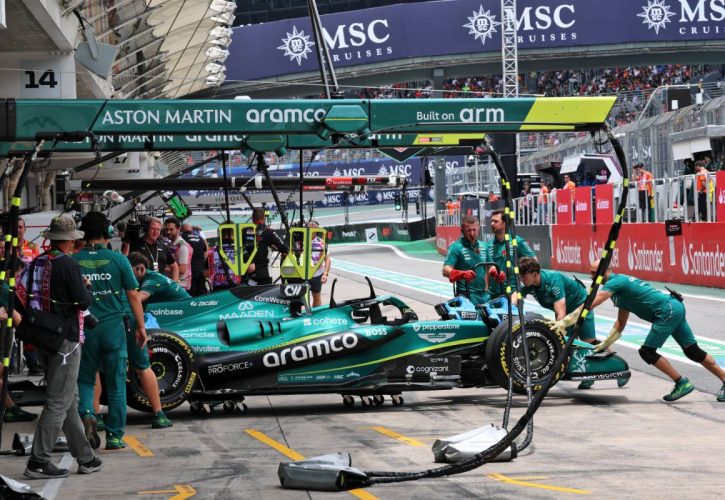


Lance Stroll’s 2026 campaign has become a frustrating sequence of mechanical setbacks. The Canadian’s Sao Paulo Grand Prix ended after 30 laps when another battery problem struck his Aston Martin, with Honda admitting it has yet to identify the underlying cause.
Stroll was running 18th, 28 seconds behind team-mate Fernando Alonso, when he retired. It was his 13th retirement of the season, excluding his unclassified appearance in Melbourne.
Asked what had happened, he offered only a brief explanation, in typical Stroll fashion: “Battery issue.”
But Honda has a more complicated puzzle to solve.
Back-to-back failures deepen the mystery
Stroll’s latest breakdown followed a battery issue on Saturday, meaning he encountered the same problem on consecutive days. Honda trackside general manager and chief engineer Shintaro Orihara said the team understood what had happened, but not what had triggered it.
“Yesterday we had a battery issue on Lance's car, and we had another battery issue today on Lance's car, and at the moment, we know what happened, but we don't know what is the root cause,” Orihara said.
“So we will check the data and also we will check the battery, and it may take a few weeks to find the root cause.
“But from the data we need to find some countermeasure for next year and also we need find the actual root cause of this error for next year, otherwise we keep having the same issue, so this is quite important for us to understand what is the root cause.”
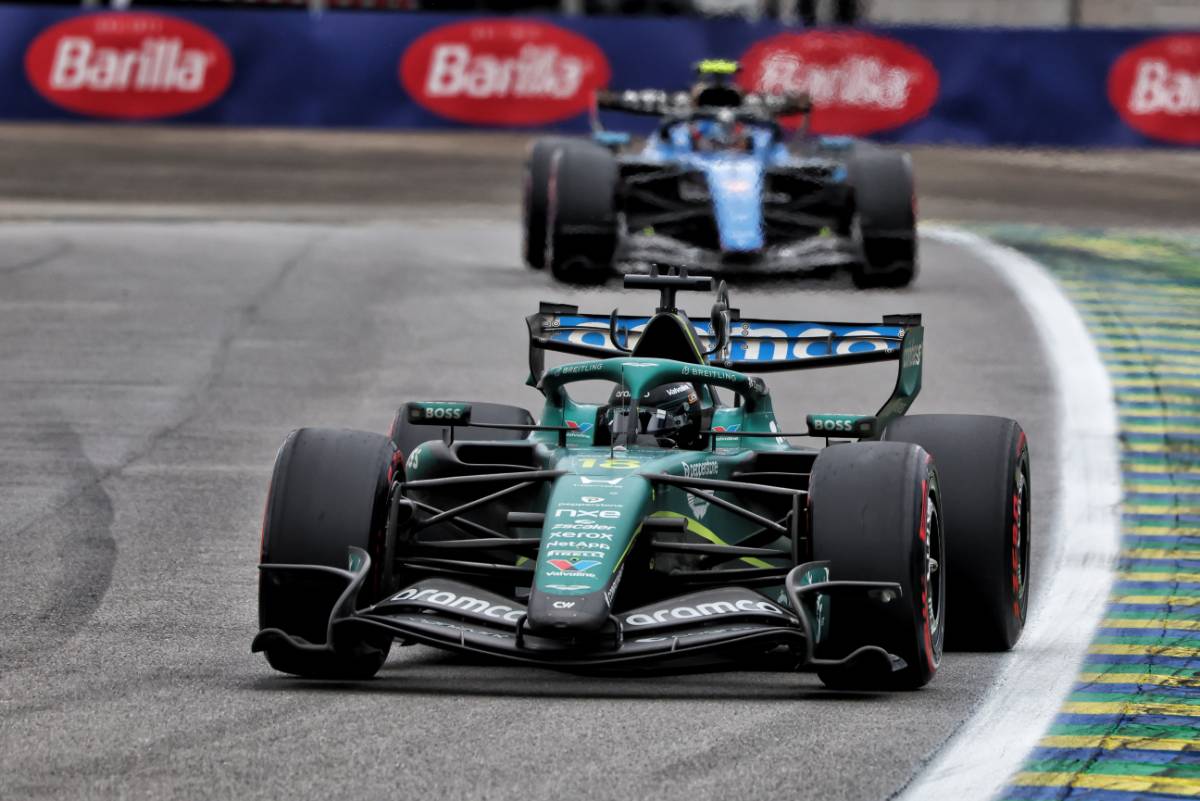
The concern is unwelcome given Honda’s earlier reliability struggles. Engine vibrations repeatedly damaged battery components at the start of the season, to the point that the AMR26 initially struggled to complete a race distance.
Reliability improved midway through the campaign, but recent events have revived questions about whether the problem was ever resolved.
“Middle of season our reliability was better, and the last two or three races we had several issues, some issues not relating to mileage or just pushing, but recently especially battery issue; at this moment difficult to say relating to mileage or operation point, so first we need to understand what is the root cause,” Orihara said.
With no clear link to mileage or operating conditions, Honda faces a lengthy investigation. Finding the cause is essential if it is to avoid carrying the same weakness into next season.
Rain masks some of Aston Martin’s weaknesses
Interlagos offered a misleading picture of the Honda-powered package. Wet conditions helped Alonso reach the top 10 in all three qualifying segments, but he slipped out of the points on the opening lap and finished 12th, around 20 seconds behind Nico Hulkenberg.
Orihara said the weather had concealed some of the power unit’s shortcomings, while placing greater emphasis on how smoothly its performance could be delivered.
“Wet condition hides our weakness of engine performance and also some short deployment, but driveability is going to be quite important in wet condition,” he explained.
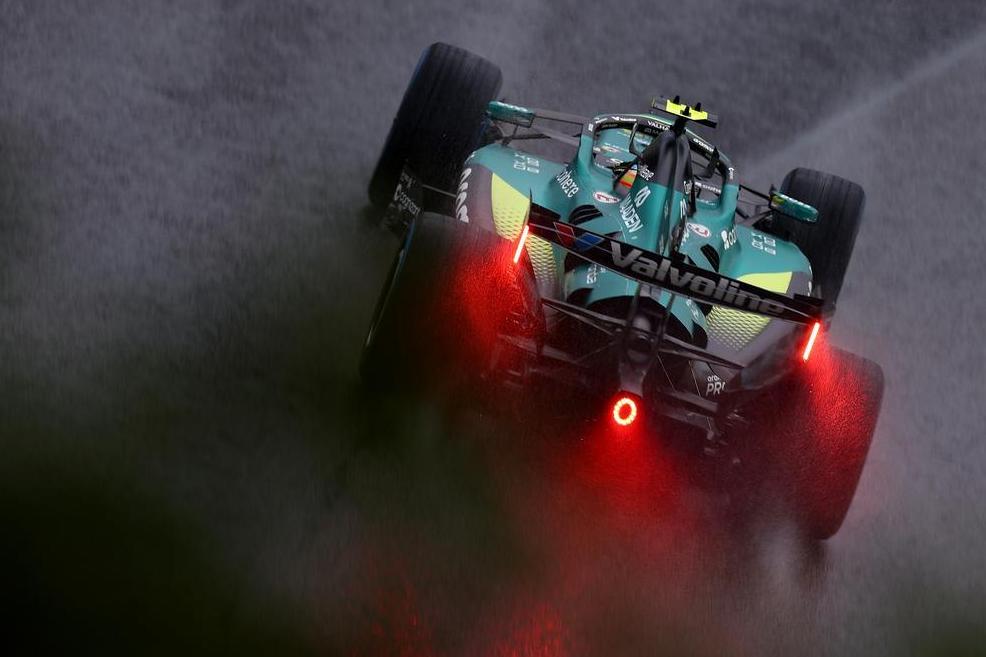
Honda still sees room for improvement, despite some encouraging signs.
“Still, we need to improve the drivability we found in this race and also qualifying; in some areas we see some positive things, but still we found the loop which should improve for next race and also next year,” concluded the Japanese engineer.
Read also:
For Honda, the priority is clear: discover why Stroll’s battery keeps failing. Until that mystery is solved, Aston Martin risks seeing the same problems return, regardless of progress elsewhere.
Keep up to date with all the F1 news via X and Facebook