

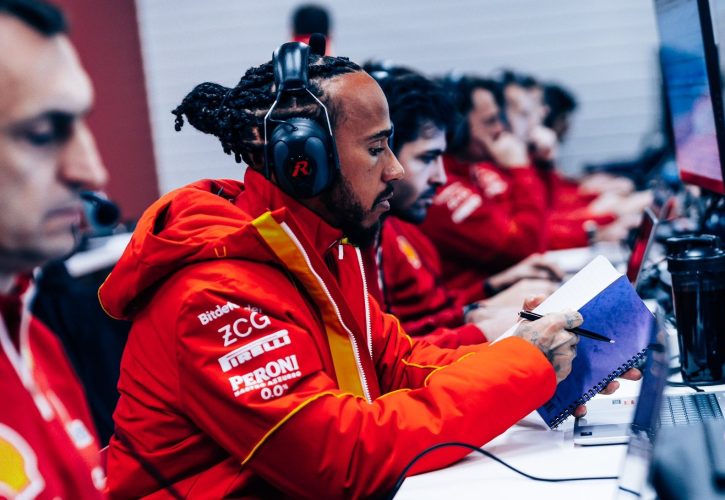


New details have emerged on the content of the “documents” sent by Lewis Hamilton to Ferrari, outlining his specific feedback and recommendations to the Scuderia regarding the development of its SF-25 as well as next year’s car.
The seven-time World Champion revealed ahead of the Belgian Grand Prix that he had been sending detailed briefs to Ferrari, reflecting his determination to address ongoing struggles.
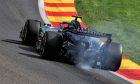
After a difficult weekend in Hungary, which followed a frustrating performance at Spa-Francorchamps, Hamilton’s focus on improvement became even more pressing.
According to a report from Italy’s La Gazzetta dello Sport, a central point of Hamilton’s feedback centers on engine braking, which he finds markedly different from his experience at Mercedes.
Despite modifications, the power unit’s characteristics make it difficult to achieve the braking ‘feel’ he prefers, impacting corner entry and overall balance. Hamilton reportedly requested information on the 2026 power unit to help mitigate these issues next season.
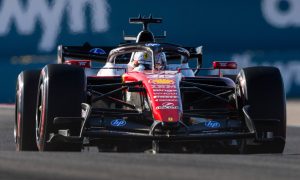
The report also highlights handling challenges. While the SF-25’s new front suspension improved corner precision, it proved tricky in tighter sections. Attempts to adjust with extra front load improved grip but made steering more sensitive.
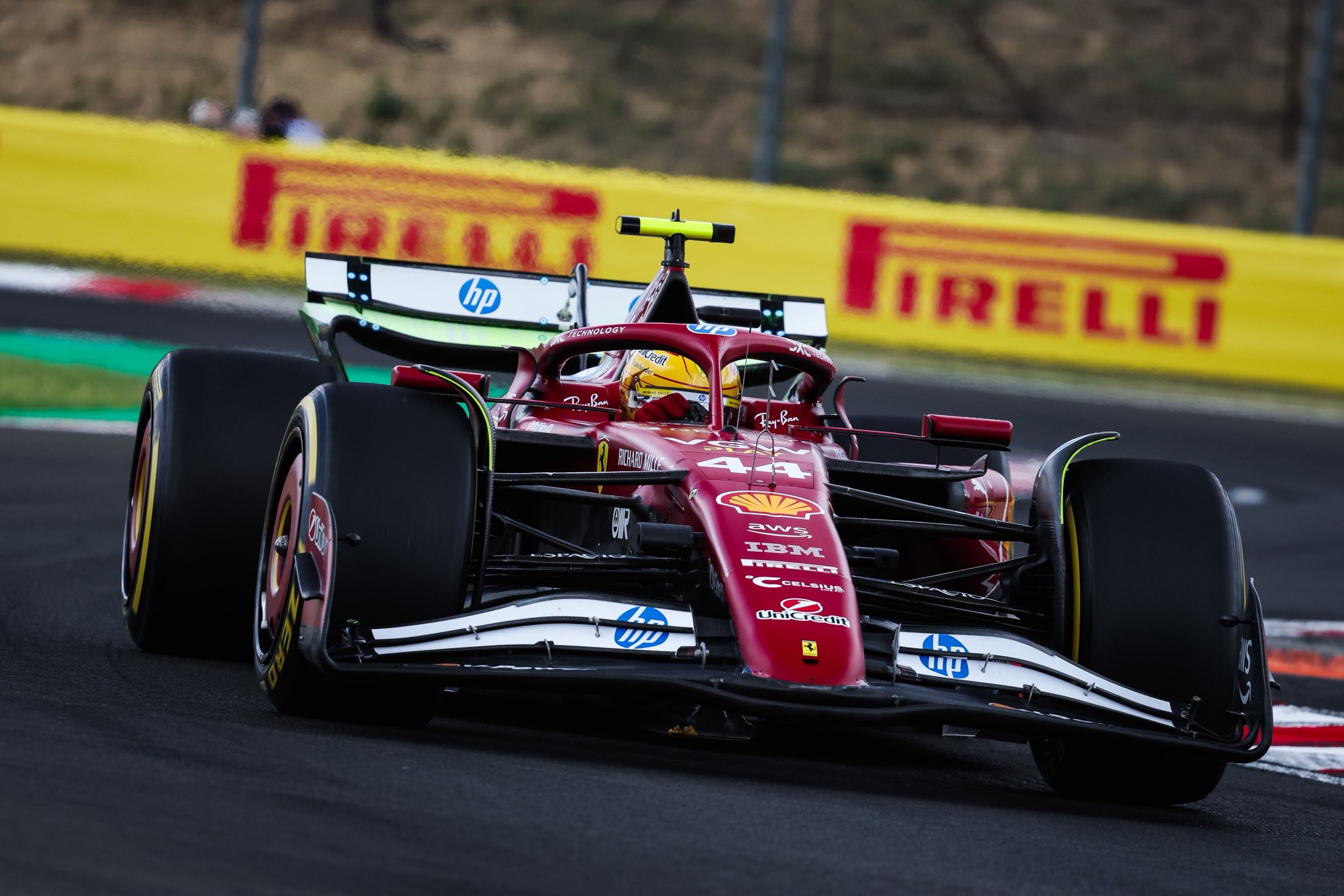
©Ferrari
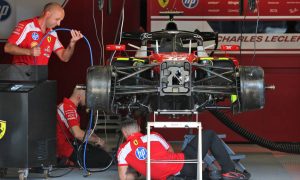
Hamilton experimented with simulator set-ups and “mixed” configurations combining suspension, bars, and wings, but the limited base configurations at Ferrari restricted his options.
Rear-end stability was another concern, with Hamilton seeking a balance between front and back that occasionally conflicted with Charles Leclerc’s smoother, more consistent approach.
Leclerc also Likely to Shape Development
While Ferrari will carefully consider Hamilton’s guidance and observations, his teammate Charles Leclerc will certainly convey his own ideas and input on both the SF-25 and next year’s car.
Known for his technical acumen, Leclerc’s approach to development, which often favors consistency over aggressive handling changes, will provide a complementary perspective to Hamilton’s detailed feedback.
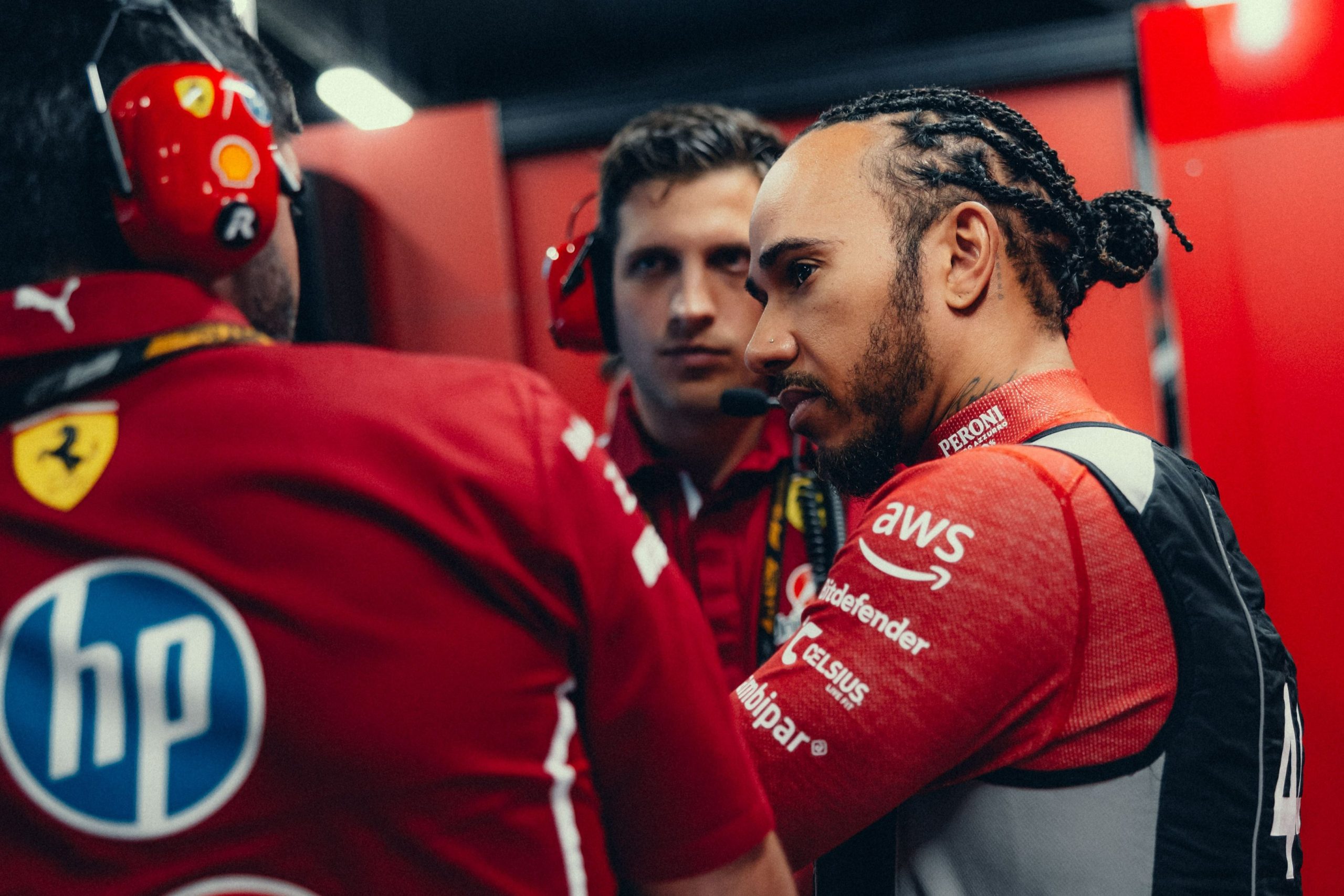
©Ferrari
Balancing the two drivers’ preferences will be critical for Ferrari as it refines both the current car and its 2026 contender.
Hamilton’s feedback, coupled with Leclerc’s influence, underscores the complexities Ferrari faces in developing cars that satisfy both drivers under the upcoming regulations.
With the 2026 power unit still in progress, the team’s ability to accommodate differing driving styles may be a decisive factor in its title ambitions next season.
Read also:
Keep up to date with all the F1 news via X and Facebook