

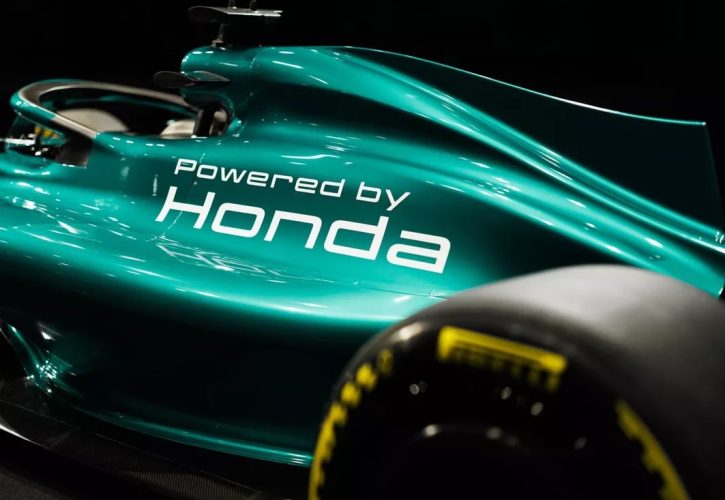


Honda is stepping into Formula 1’s bold new era with ambition undimmed – but expectations carefully managed.
As the Japanese manufacturer prepares for its first season as Aston Martin’s works partner under radically revised 2026 power unit regulations, its leadership has openly acknowledged that the road ahead may be anything but smooth.
The shift to engines split almost evenly between internal combustion and electrical power has reset the competitive landscape, placing unprecedented emphasis on efficiency, integration and energy management.
For Honda, it is both an opportunity and a warning sign – one that has prompted rare public caution from the brand’s senior figures.
A Bold Partnership Meets a Daunting Reset
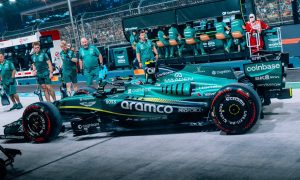
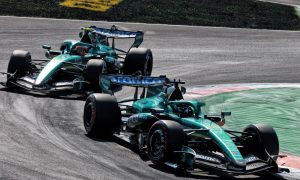
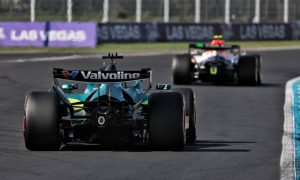
Honda’s return as a full works partner comes alongside Aston Martin’s most ambitious technical push to date. The Silverstone team will debut its AMR26 as the first car fully shaped by its expanded factory, new wind tunnel and the influence of legendary designer Adrian Newey.
Yet even with that infrastructure in place, Honda knows success under the new rules is far from guaranteed.
Speaking as the manufacturer revealed its 2026 power unit in Tokyo on Tuesday, Honda Racing Corporation president Koji Watanabe struck a measured tone.
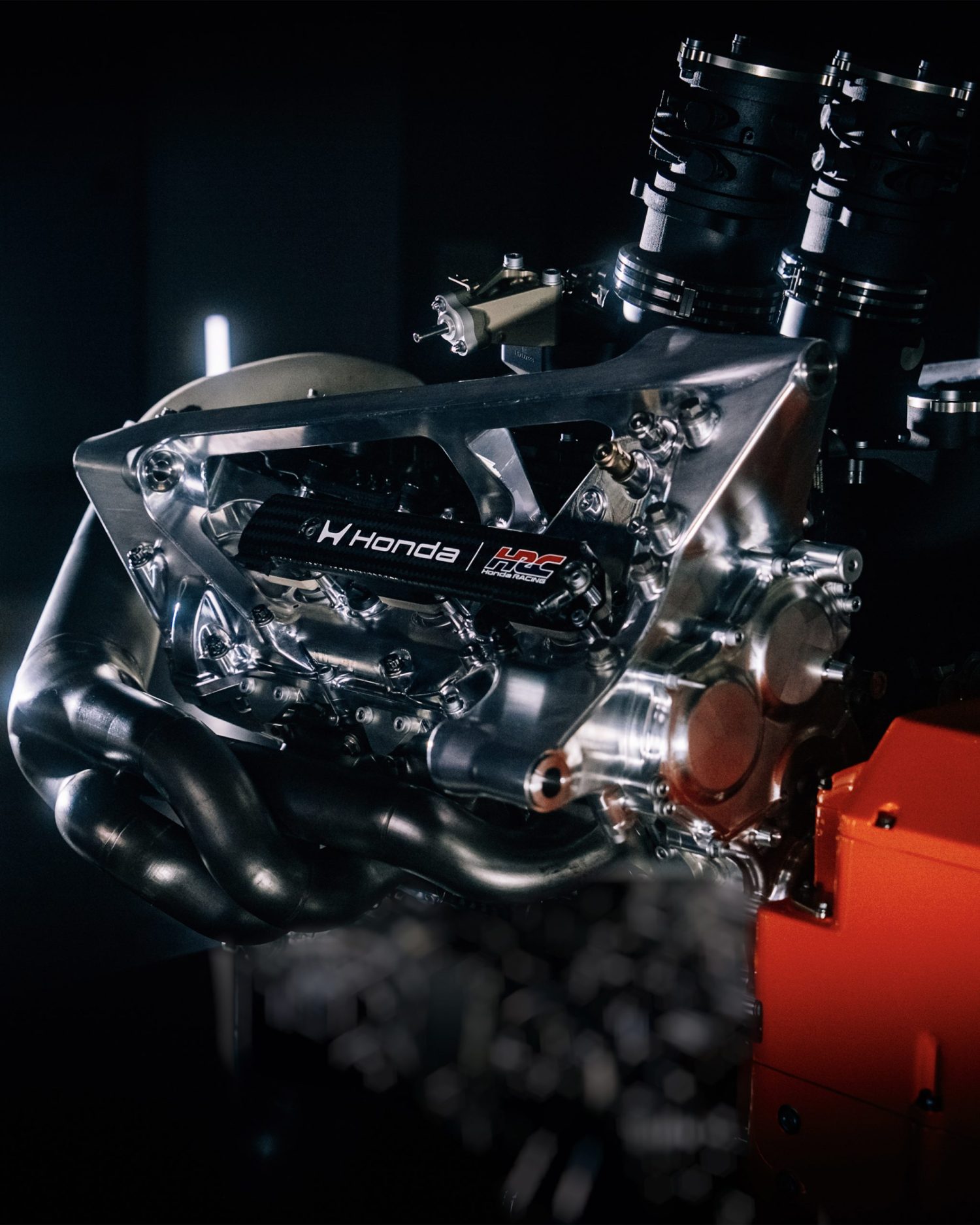
©Honda
“Of course, if we are going to compete, we are committed to winning,” said Watanabe. “However, the 2026 regulations are technically extremely challenging, and perhaps we will struggle.
“At this stage, before any on-track testing, we don’t know the gap to our rivals, so we’ll have to wait and see once testing begins. In the long term, we aim to fight for championships.”
Those words underline the scale of the task facing all five powertrain suppliers – Honda, Audi, Ferrari, Mercedes and Red Bull-Ford – as rumours swirl that some competitors may already have uncovered performance advantages within the new rule set.
Confidence In the Long Term, Questions in the Short Term
Behind the scenes, Honda’s concerns centre on the balance between electrical performance and the internal combustion engine. While the electrification programme is broadly on schedule, the ICE side of the project has proven more complex.
“The electrification side is progressing as planned,” explained Honda F1 project leader Tetsushi Kakuda. “However, that is not necessarily the case for the internal combustion engine.
“Ultimately, a lot depends on the amount of development time available. Taking that into account, we believe we have done everything we can to the fullest extent.”
That honesty reflects Honda’s broader approach heading into 2026: cautious in the short term, but resolute in its long-term goals.
The manufacturer is acutely aware that Aston Martin, despite massive investment from owner Lawrence Stroll, has yet to establish itself as a consistent front-runner since its origins as Jordan Grand Prix in 1991.
Pre-season testing in Barcelona from January 26–30 will provide the first real indication of where Honda and Aston Martin stand – and how steep the initial learning curve may be. Until then, optimism is tempered by realism.
For Honda, the message is clear: the ambition to win remains intact, but patience may be just as critical as performance as a new chapter begins.
Keep up to date with all the F1 news via X and Facebook