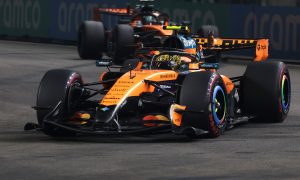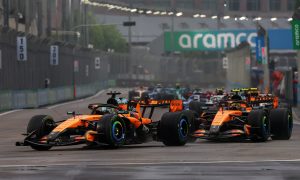





Lando Norris admits that any setback or mileage deficit encountered in free practice practice carries a heavier cost this season, as teams and drivers adapt to the sport’s new-generation cars.
As teams grapple with entirely fresh aerodynamic philosophies and updated power units, every second of track action has become a vital commodity.
For Norris, who has endured a string of reliability hiccups and limited running in recent sessions – most notably during the recent Japanese Grand Prix weekend – the deficit created by missing practice is now amplified by the sheer complexity of the machinery.
The challenge of new foundations
The transition to the current generation of cars has been anything but seamless. Across the opening rounds in Australia, China, and Japan, the paddock has witnessed an unusual frequency of errors from the world’s best drivers.
Norris points to a combination of evolving track surfaces and a fundamental shift in driving dynamics as the primary culprits.
When asked at Suzuka if missing practice now carries a heavier price than in previous seasons, the McLaren driver was emphatic: “Yeah, 100%, a lot more.”
“It's obviously still a new car, and it's a new track where the tarmac is a lot grippier here. It's a much quicker track, so you have to drive the car quite differently to how we've driven the last few [years].”
Balancing power and precision
Beyond the physical handling of the chassis, the intricacy of the modern power unit has added a layer of digital strategy that requires perfection.
The increased battery output in the latest units means that energy management is no longer just a background task; it dictates the mechanical setup of the car.
The struggle for stability was evident at Suzuka, where the high-speed commitment of the Spoon Curve caught out several veterans. According to Norris, these incidents are symptoms of a much larger technical puzzle that requires maximum mileage to solve.
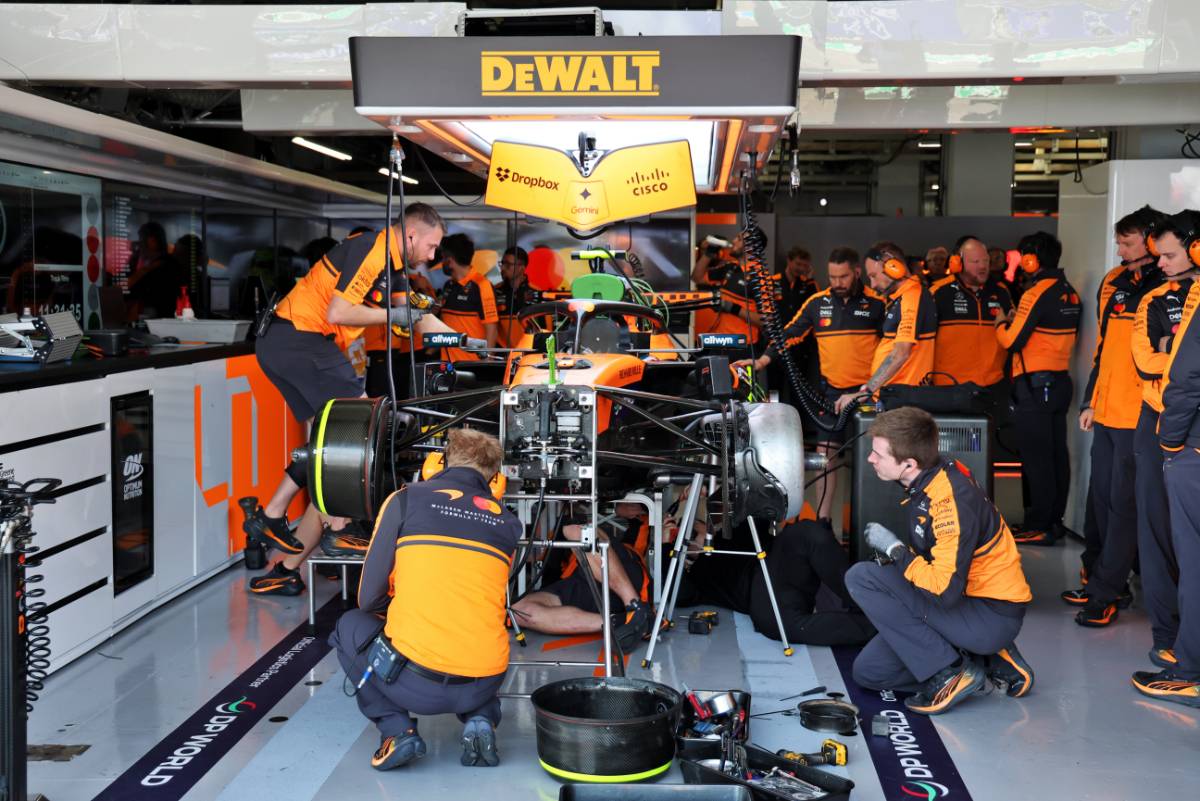
“You've seen how many mistakes people have been making, into Spoon and things with the rear, it's just not easy,” Norris observed.
“So certainly now it costs more than before, not just as a driver, but also to understand how the power unit works, to get the battery in the right way.”
The knock-on effect of these energy demands often forces teams into compromises that would have been unnecessary in years past.
“Then you have to lift more in places, what you have to then adjust with the set-up, because you have to lift more. There are a lot of little things,” Norris concluded.
For the sport’s reigning champion, the message is clear: in this new chapter of Grand Prix racing, time is the most expensive part on the car. Missing it doesn't just put a team behind – it leaves them driving into the unknown.
Keep up to date with all the F1 news via X and Facebook