

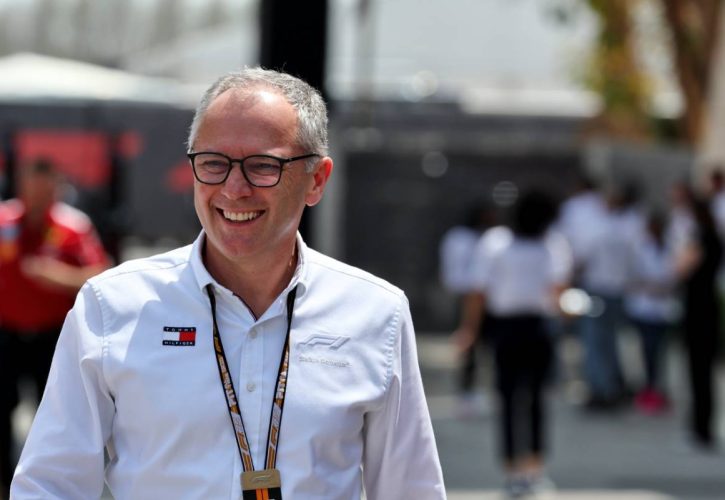


Formula 1 CEO Stefano Domenicali says the sport is approaching a defining crossroads over what powers its future.
With the 2026 regulations now a reality and manufacturers deeply invested, the next engine formula –likely for the next decade – is already demanding urgent attention.
Behind closed doors, discussions about the next generation of power units have been simmering for years. But Domenicali has made it clear: the window for debate is closing fast.
"We cannot lose too much time because time is passing so quickly,” he told Motorsport.com. “We need to be robust enough to allow us not to be in a corner, we need to decide as soon as possible.
“Of course, we're going to be together with the FIA in discussing that. But that's something that this year we need to decide what could be next."
It’s a striking call to action. The current framework – designed to usher in a new era of hybrid technology – was agreed as far back as 2021. Now, with those rules freshly in place, attention is already shifting to what comes after 2030.
Balancing innovation and investment
Yet speed alone isn’t the answer. Domenicali is equally mindful of the billions committed by manufacturers drawn in by the existing regulations – brands whose presence underpins the sport’s global strength.
"In this moment, to have a manufacturer that invests in Formula 1 is something incredible, which deserves our total respect," he said.
"Because in this context, you don't want to take that for granted. And let the FIA coordinate with their vision of what could be the right set of regulations that can be proposed to the manufacturer and to the teams."

He pointed to governance timelines already in place, noting how they frame the debate ahead.
"The regulations, in terms of governance, are expiring at the end of 2030. The agreement is part in that. After that, there is the possibility for the FIA to produce a set of regulations,” he said.
“We're going to be together on that with the FIA, for sure. And after that, it is a matter of understanding if there is the possibility to eventually anticipate it or not. That's something that will be part of the discussion we're going to have now."
Lighter, simpler – and still true to motorsport
While the final shape of the next power unit remains undecided, the direction of travel is becoming clearer. Within the paddock, momentum is building toward a simpler, lighter formula – one that blends sustainable fuels with a more traditional combustion core.
Domenicali is firmly aligned with that vision.
"I definitely see personally – but it's up, of course, to the FIA to propose that – a sort of sustainable fuel for sure at the centre of the future, with a different balance of what could be the electrification with a strong internal combustion engine," he said.
"Because that's motorsport. It will allow to save a lot of kilos, to have pure racing in that respect, in terms of a lighter car, smaller cars that you can really push as much as you can. So that's going in the direction, I believe, that the purists should be happier."
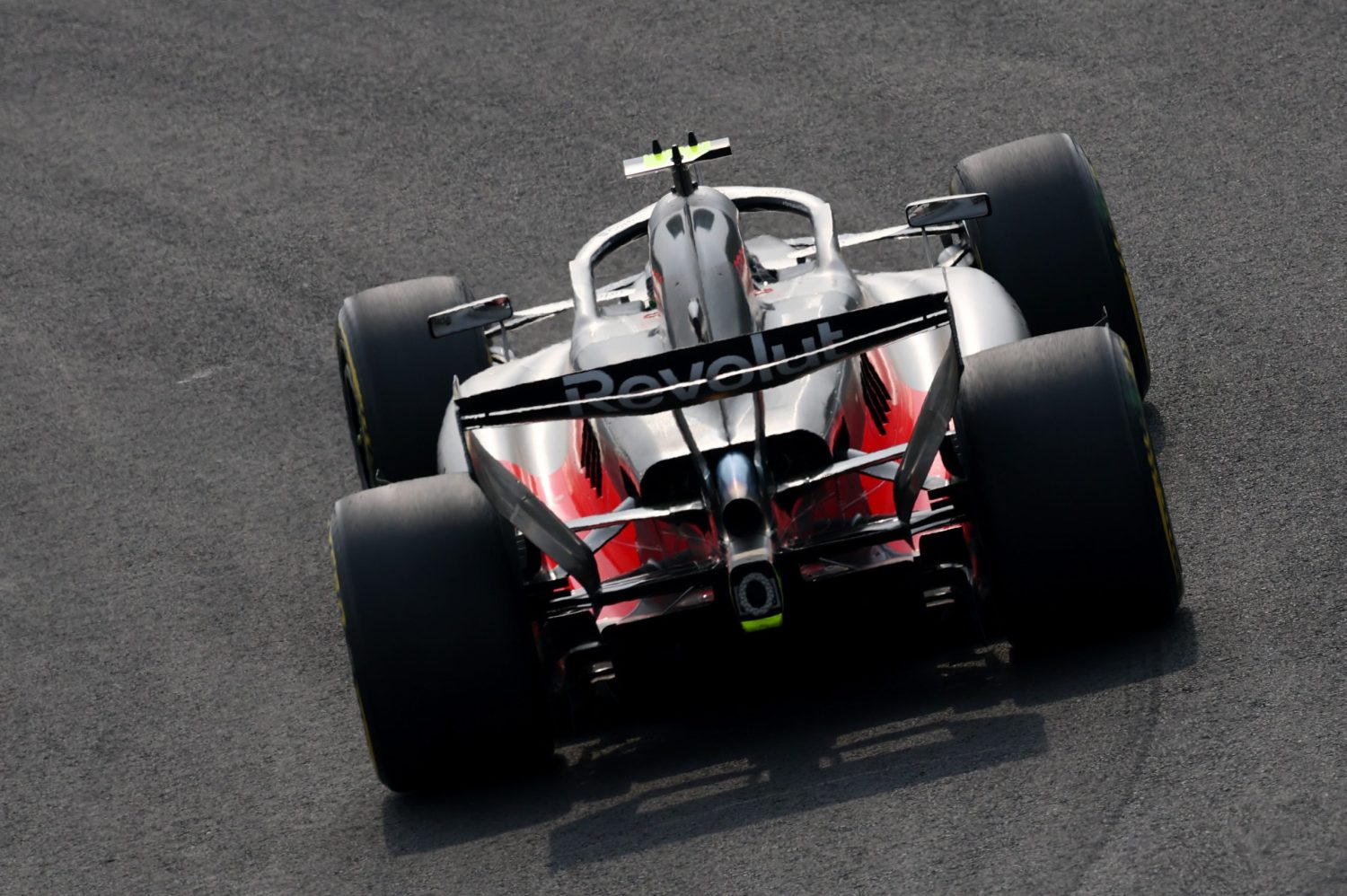
The underlying concern is clear: modern F1 cars, for all their technological brilliance, have grown too heavy and too complex.
"In terms of the racing itself, with some adjustment, it is great on the track. Don't misunderstand me on that. But the car is still very heavy,” Domenicali admitted.
“The battery has [introduced] a lot of things that have to be considered when you design a car. So, these are the things that we need to process and to react to."
For Formula 1, the challenge is no longer just innovation – it’s clarity. With governments recalibrating their stance on electrification and sustainable fuels gaining traction, the sport has an opportunity to redefine its identity once again.
But as Domenicali made clear, opportunity won’t wait forever. The next era of Formula 1 isn’t just being imagined – it needs to be decided. Soon.
Keep up to date with all the F1 news via X and Facebook