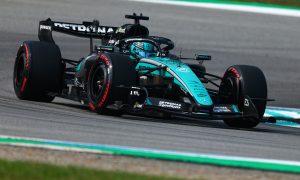


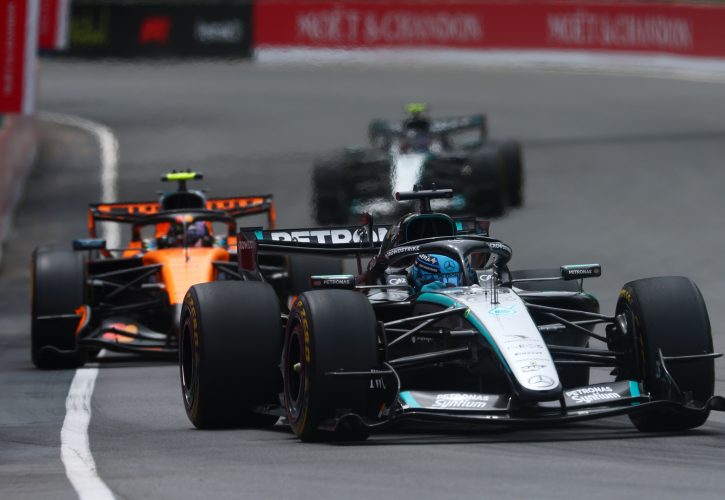


George Russell's Canadian Grand Prix nightmare may have lasted only a few seconds, but Mercedes could be living with the consequences for months.
What should have been a landmark afternoon for the Briton instead became one of the most painful moments of the 2026 season. Leading the race, controlling the pace and seemingly on course to halt Kimi Antonelli's relentless winning streak, Russell suddenly lost everything when his Mercedes suffered a catastrophic ERS failure.
The retirement not only handed victory to his team-mate but also left Russell staring at a daunting 43-point deficit in the championship standings.
Worse still for Mercedes, the team cannot yet fully explain why it happened.
The failed battery module that triggered the shutdown is now making a slow and complicated journey back to the United Kingdom, meaning engineers at Brackley may be forced to spend much of the coming weeks or months searching for answers without the most important piece of evidence sitting in front of them.
For a team fighting for world championships, it is an uncomfortable position to be in.
An investigation missing key evidence
Mercedes can comb through telemetry, scrutinise data traces and replay every millisecond of the failure. But the component itself – the part that could ultimately reveal the root cause — remains out of reach.
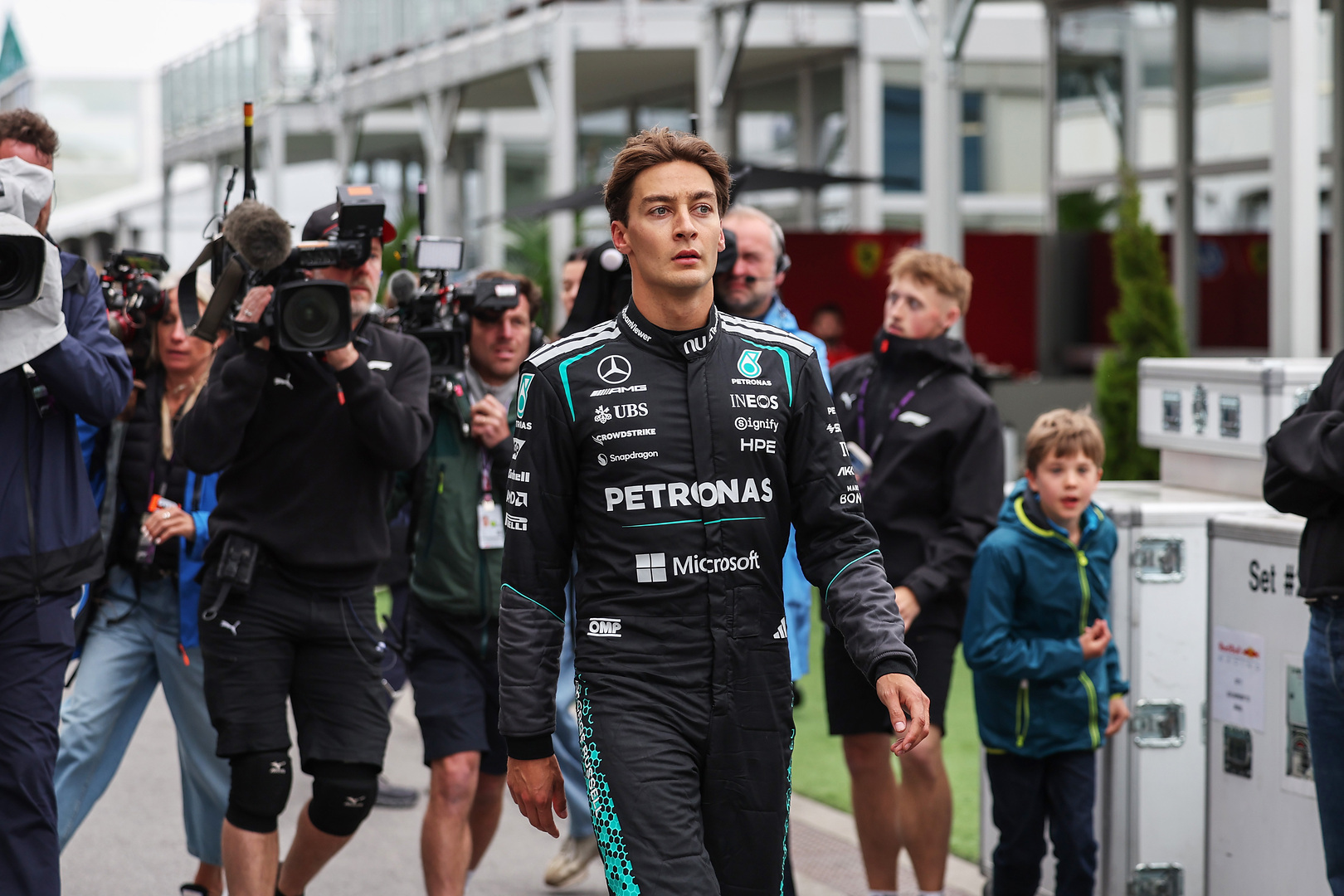
Deputy team principal Bradley Lord confirmed that Russell's race-ending problem struck without warning.
"It was absolutely no fault of George's; he drove brilliantly all weekend and I think would have been a very worthy winner of the grand prix as well after his performance to take two pole positions and the sprint win," Lord said on the Nu Silver Arrows radio show.
©Mercedes
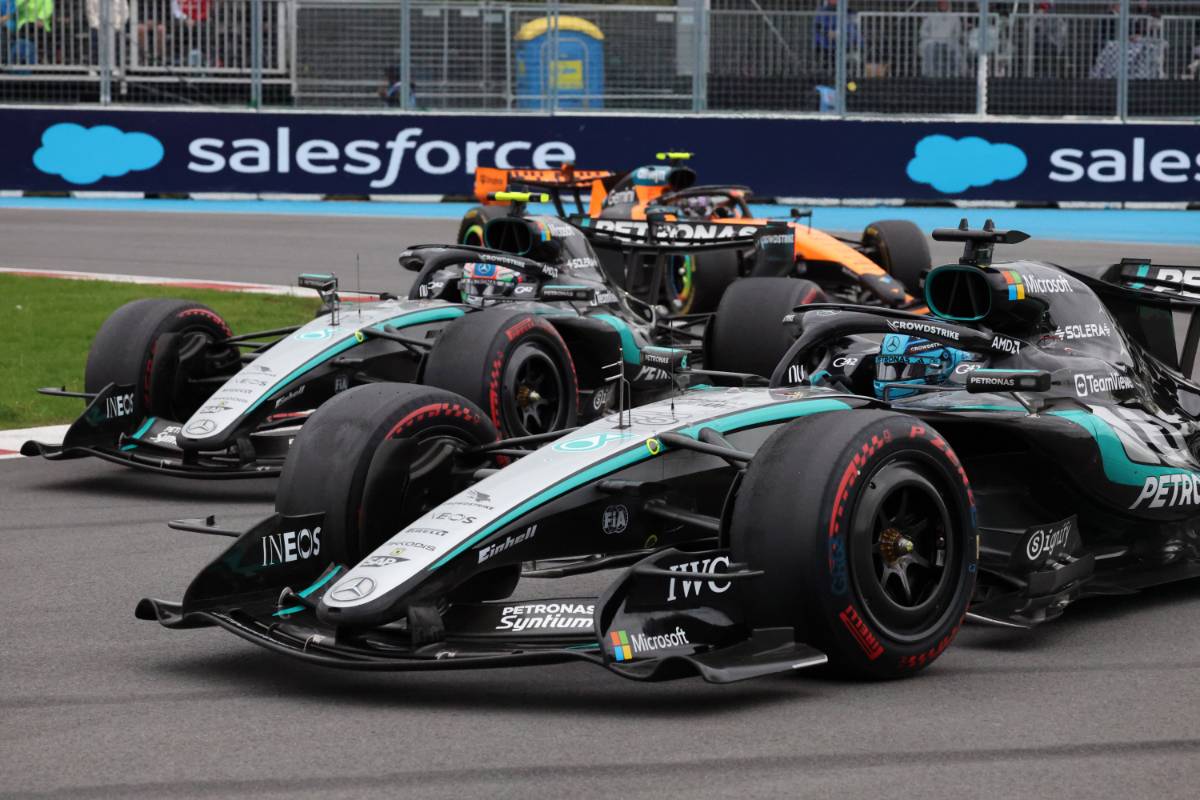
"It was a sudden sort of kill of the ERS system on the car as he came into turn 8 and then that did a reasonable amount of damage afterwards as well. We got the car back and were able to get the module out of it."
The description paints a grim picture. One moment Russell was leading the race; the next, a complete electrical collapse had effectively switched off his challenge.
The incident not only cost Russell a likely victory and Mercedes a one-two, but it also raised immediate concerns about whether similar failures could be lurking elsewhere within its pool of components.
Mercedes left racing against time
The frustration for Mercedes is compounded by what comes next.
Because of the safety protocols surrounding the damaged unit, engineers cannot simply put it on a plane and rush it back to headquarters for forensic analysis.
Instead, the failed hardware faces a lengthy return process that leaves the team in limbo.
"It had to undergo some unusual safety procedures and then has to be shipped back actually to the UK.
"It will therefore be several months before the hardware gets back and we need to really dig through the data to understand exactly what went wrong and then work out how we try and prevent a repeat on any of the other modules in the future."
That final sentence may be the most concerning of all.
Mercedes is not merely trying to understand a failure that has already happened. It is attempting to determine whether the same issue could strike again before the damaged component even arrives back at the factory.
The team now faces a delicate balancing act: protecting the reliability of its championship-leading operation while operating without definitive proof of what caused one of the most costly failures of the season.
For Russell, the timing could hardly be worse. A dominant weekend in Montreal ended with zero points and a championship gap that suddenly looks intimidating.
For Mercedes, the race may be over, but the investigation is only beginning.
And for the next several months, one of Formula 1's most powerful teams could be left chasing answers that are literally still somewhere at sea.
Keep up to date with all the F1 news via X and Facebook