



The FIA has explained why several Formula 1 cars suddenly lost power on the formation lap before the Bahrain Grand Prix in Malaysia, triggering yet another delay to an already chaotic start.
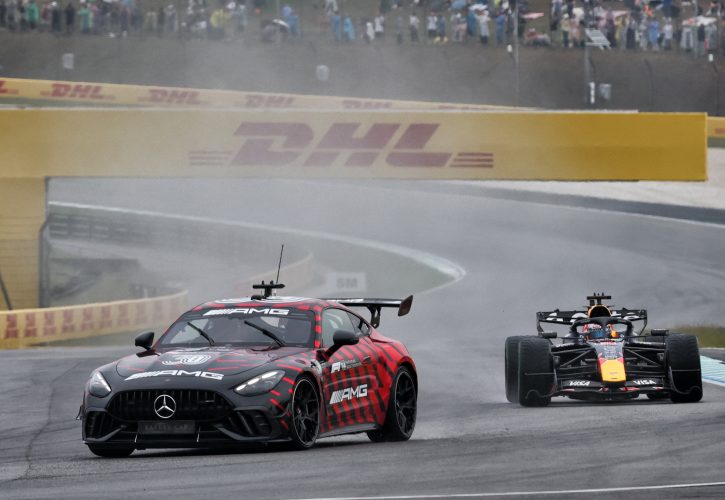
The race had already been postponed by 40 minutes because of heavy rain, but when the drivers finally headed towards the grid, Formula 1 encountered another problem that nobody had anticipated.
Several cars suffered sudden power losses while following the Safety Car, forcing the FIA to abort the starting procedure and extend the delay even further.
Now, following an investigation into the bizarre incidents, the governing body has revealed that no single failure was responsible. Instead, an unusual combination of wet-weather conditions, energy management settings and the configuration of the Sepang International Circuit created the perfect recipe for the problem.
An unlikely combination catches F1 out
The most conspicuous victims were the two drivers starting from the front row, Max Verstappen and Lewis Hamilton.
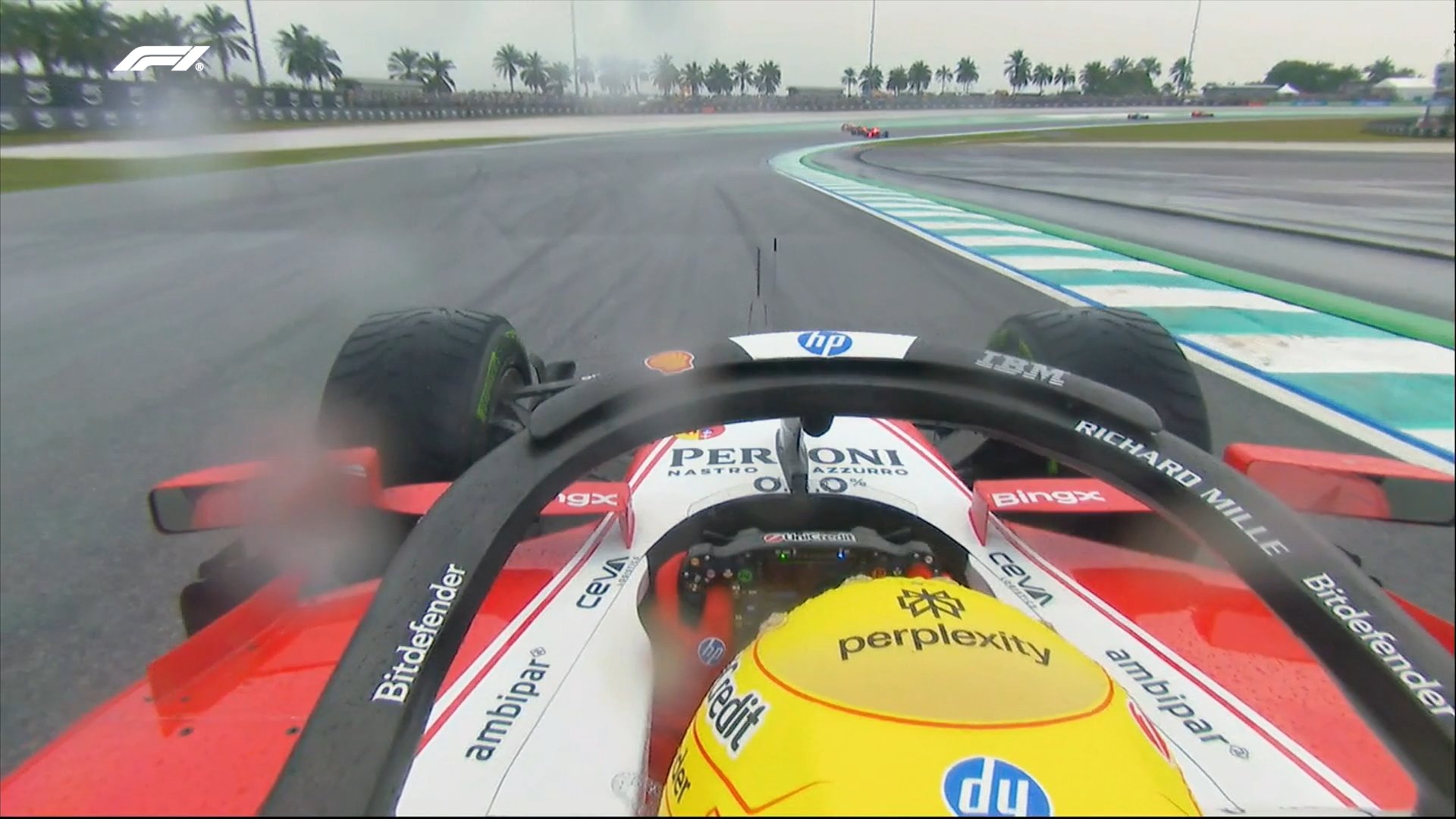
Verstappen's Red Bull suffered a sudden loss of power but recovered quickly enough to continue after a software reset. Hamilton was less fortunate, with his Ferrari requiring more time to come back to life after he pulled to the side of the track and subsequently dropped down the order.
The incidents raised immediate questions about whether Formula 1 was facing a serious reliability problem in treacherous conditions.
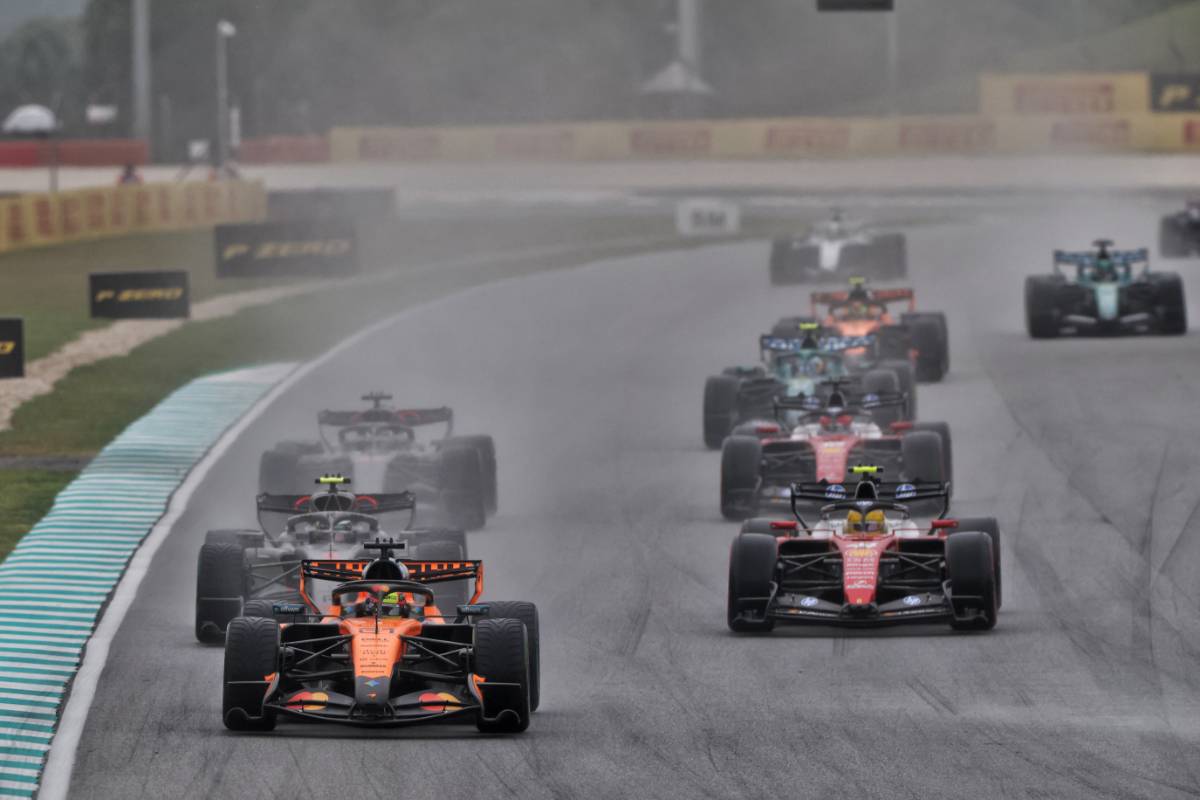
According to the FIA, however, the incidents were not attributable to a single component failure.
The governing body said the cars were confronted by an “unprecedented combination” circumstances
that resulted in an unintended loss of power across a number of cars.
Its full statement read:
“On the formation lap ahead of the Bahrain Grand Prix in Malaysia, an unprecedented combination of low engine speed, low-grip conditions, wet-weather energy management settings and the Sepang circuit’s sector configuration led to an unintended loss of power for a number of cars.
“As a result, the FIA Technical Department removed the energy limit constraint in the affected sectors through an updated software release distributed to all competitors during the race delay caused by heavy rain, enabling teams to make the necessary changes to the Power Unit before the start of the race.
“This issue had not been detected by the FIA or the teams during testing or during the laps to the grid. The FIA, together with the teams and Power Unit manufacturers, will undertake a full review of the issue.”
Software fix implemented before the restart
With the starting procedure suspended, the FIA and teams were given valuable additional time to address the problem.
During the delay, the FIA Technical Department issued an updated software release to every competitor. The change removed the energy-limit constraint in the sectors where the problem had occurred, allowing teams to adjust their power-unit settings before the race eventually got under way.
The fact that the issue had not appeared during pre-event testing or even during the laps to the grid underlines how unusual the circumstances were.
It also means the FIA is not treating the matter as closed.
The governing body confirmed that it will work with all the teams and power-unit manufacturers to investigate precisely why the combination of conditions produced the unexpected behaviour.
By the time the Bahrain Grand Prix finally started, the immediate problem had been contained. But the extraordinary formation lap exposed an unexpected vulnerability in the way modern Formula 1 power units manage energy when low grip, low engine speeds and wet-weather settings collide.
For the FIA and the manufacturers, the investigation now begins in earnest — with the hope that the bizarre pre-race failures at Sepang remain a one-off rather than a warning of a problem waiting to surface again.
Keep up to date with all the F1 news via X and Facebook