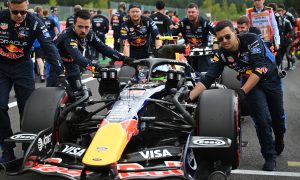


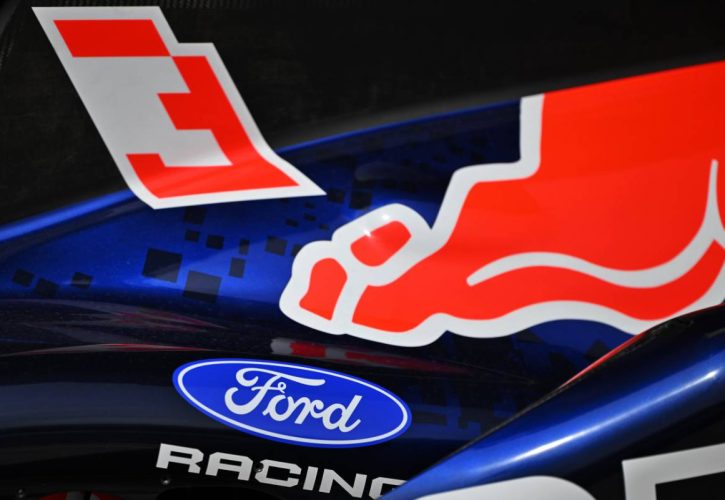


The FIA has published its final findings from Formula 1’s 2026 Additional Development and Upgrade Opportunities (ADUO) assessment, confirming that the power unit performance hierarchy remains unchanged and that none of the five manufacturers will receive additional development concessions.
The latest evaluation, covering engine data collected from the Dutch Grand Prix through to the United States GP, produced no alterations to the allocation of upgrade opportunities established earlier in the season.
Introduced for 2026, ADUO was designed to prevent manufacturers falling behind the leading engine from becoming trapped by the championship's development restrictions.
The process allows those struggling to match the benchmark to introduce additional upgrades, with the number of permitted changes determined by their performance deficit.
Red Bull Ford Powertrains emerged as the reference point in the opening assessment, leaving its four rivals with varying degrees of additional development freedom.
Red Bull retains benchmark status as rivals keep their allowances
Under the original assessment, Mercedes was found to be between 2% and 4% behind Red Bull in internal combustion engine performance. That entitled the German manufacturer to one additional upgrade during the 2026 campaign and another in 2027.
Ferrari, Audi and Honda were classified as more than 4% down on ICE performance, qualifying each for two additional upgrades this season and a further two next year.
Those allocations have now been confirmed for the remainder of the current regulatory cycle, with neither the second assessment over the summer nor the final review producing any changes.
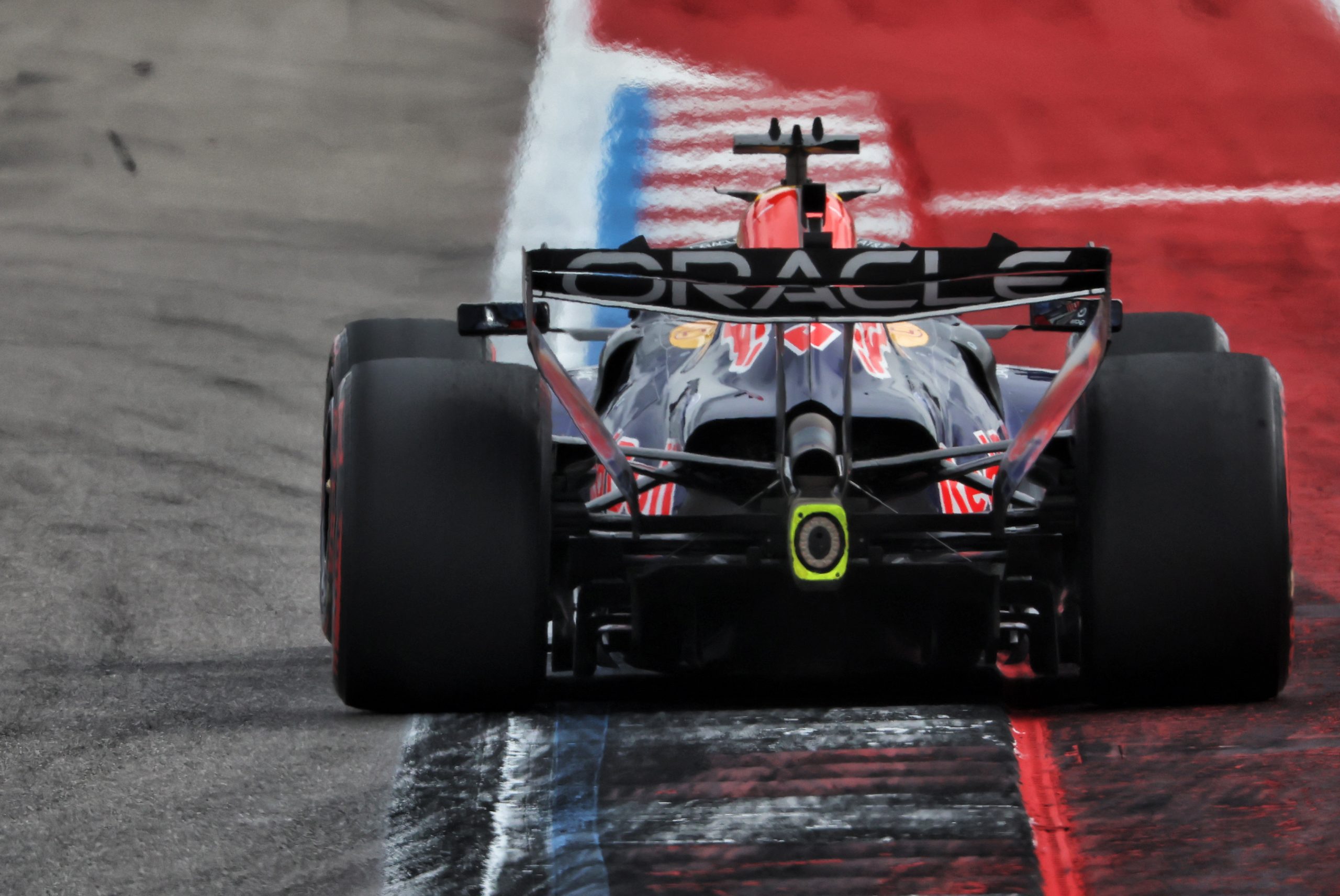
“For the third period, the relative performance gaps to the leading ICE evolved, but these changes did not result in any additional homologations being granted to the Power Unit Manufacturers,” the FIA stated in its report.
The outcome also means Red Bull Ford Powertrains continues to operate without the additional development freedoms enjoyed by its competitors.
The Milton Keynes-based manufacturer had previously challenged the original ADUO assessment, requesting a review of the analysis and disputing its classification as the supplier of the strongest power unit.
Under the agreed framework, the FIA evaluates only the internal combustion engine when determining performance gaps. However, manufacturers qualifying for ADUO can also make changes to other power unit components, including the battery and MGU-K.
Consequently, while Mercedes, Ferrari, Audi and Honda have enjoyed opportunities to refine their respective packages, Red Bull has effectively faced a development freeze.
FIA confident in system but open to refinements
Despite the controversy surrounding the initial assessment, the FIA believes the first season of ADUO has demonstrated the value of the mechanism, while acknowledging that adjustments could be considered for future campaigns.
FIA single-seater director Nikolas Tombazis defended the evaluation process and its conclusions, stressing that the governing body was satisfied with the reliability of the underlying data.
“The FIA has undertaken extensive analysis as part of the review of ADUO this year. Based on the quality of the data and the robustness of the assessment process, we are confident in our findings and the conclusions reached,” Tombazis said.
“The first year of implementation has also reinforced our belief that the ADUO concept is the right one for Formula 1.
“However, it is important that the system continues to evolve to ensure it remains efficient, relevant and fit for purpose.
“To that end, we have been working closely with the power unit manufacturers and teams to explore refinements to the methodology that will support the continued effectiveness of ADUO in future seasons.”
Read also:
Any modifications to the framework will require agreement from the power unit manufacturers.
For now, the existing development allowances remain intact, with the next assessment period scheduled to begin in 2027.
It will cover the opening six rounds of the new season, from the Bahrain Grand Prix through to the Miami Grand Prix, potentially reshaping the development opportunities available to the manufacturers as Formula 1 enters its second year under the new power unit regulations.
Keep up to date with all the F1 news via X and Facebook