



The FIA is tightening its grip on Formula 1’s cost-control framework, introducing sweeping restrictions designed to prevent teams from sharing personnel, facilities and technical resources with other non-F1 divisions of their parent organisations.
Approved by the FIA World Motor Sport Council, five new articles in the 2027 F1 operational regulations will enforce a much stricter separation between racing operations and non-F1 activities.
The measures target potential loopholes that could allow teams to benefit from expertise and resources outside the budget cap without properly accounting for their value.
The changes could prove particularly disruptive for outfits embedded within larger automotive groups or companies running multiple motorsport programmes.
Under the new framework, the traditional exchange of knowledge between departments will become significantly more difficult, forcing teams to operate with far greater independence.
A hard boundary around F1 operations
Previously, an engineer could divide their time between Formula 1 and another programme, with only the portion attributed to F1 charged against the budget cap.
The FIA’s new rules go further, aiming to prevent teams from accessing resources funded by other activities, including road-car development, the World Endurance Championship, Formula E or even sailing for instance.
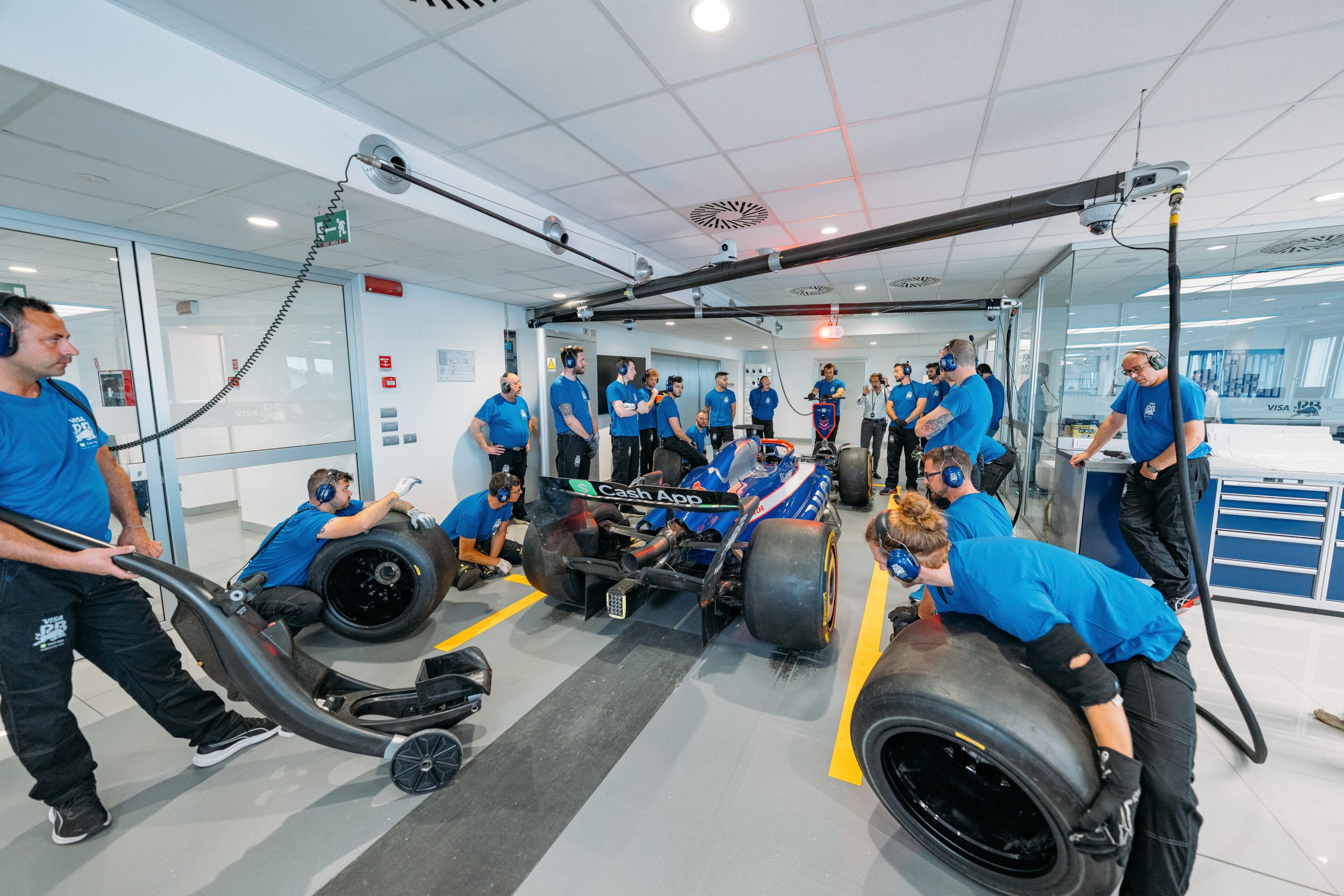
Restrictions will also cover simulators, wind tunnels, test benches, data centres and IT systems. Non-F1 employees will be barred from entering F1 factories, while grand prix staff will be prohibited from visiting colleagues in other divisions.
Staff transfers face new hurdles
Moving an employee from F1 to another business unit will require a new contract detailing their duties, and their company badge and email access will be deactivated. Anyone leaving the F1 team must wait at least a year before returning.
A team’s non-F1 personnel moving into its F1 operations will face a three-month gardening period during which they cannot undertake any company activities.
The team will effectively become a protected enclave within the wider organisation.
The separation could come at a cost. Teams may need to recruit additional staff, while parent companies lose opportunities to share expertise and infrastructure.
The FIA’s objective is to ensure competitors bear the true cost of their F1 operations, even if that means sacrificing efficiencies available to larger groups.
Keep up to date with all the F1 news via X and Facebook