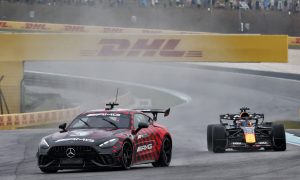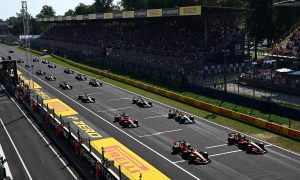


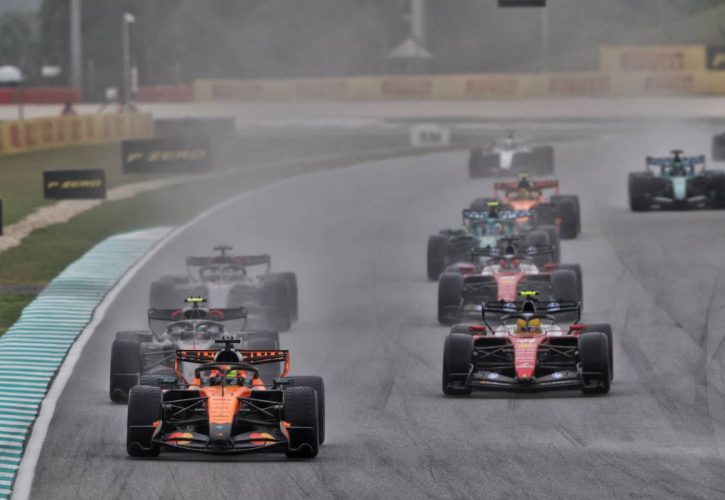


The FIA has completed its formal investigation into the wet-weather software glitch that severely disrupted the start of last weekend’s Bahrain Grand Prix in Sepang.
The incident unfolded on the formation laps when a bug within the power unit software’s wet-weather engine map caused multiple cars to lose power and crawl along the circuit.
The delayed start required race officials to suspend the opening procedure for over 90 minutes while emergency software patches were distributed to teams.
The disruption drew criticism across the paddock, with reigning world champion Lando Norris lamenting the sport's hyper-complex engine regulations and Williams driver Carlos Sainz urging F1 to "take a hard look at itself."
With the paddock preparing for this weekend’s Singapore Grand Prix, the FIA published its technical report explaining the failure and detailing corrective measures.
Root cause identified and immediate patch planned
According to the FIA, the malfunction was rooted in an unrecoverable power loss triggered under specific low-speed operating conditions.
“The review concluded that some cars running on low engine RPM in certain circuit sectors where a 250kW power reduction was applied experienced a loss of power beyond the original intent and that could not be recovered in those sectors,” an FIA statement read.
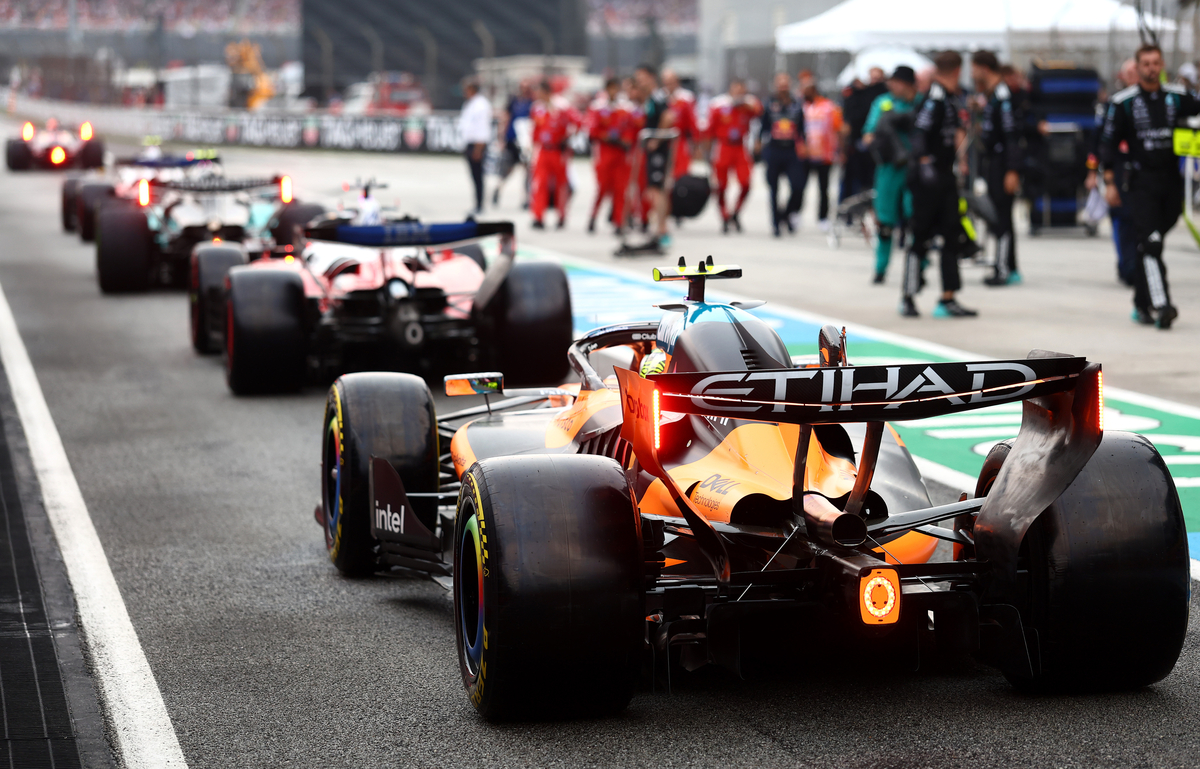
©McLaren
To prevent a repeat during upcoming track sessions, the regulator confirmed immediate operational adjustments alongside a permanent code update scheduled for later in the month:
“As a result, the configuration established for the Sepang event will be reinstated for the Singapore Grand Prix should similar weather conditions be expected. Additionally, a further update to the wet weather software will be released for the United States Grand Prix on October 25.”
Pre-deployment verification and testing protocols
Addressing questions regarding how the faulty code reached a race weekend, the FIA pushed back against claims that the update was deployed without prior simulation or track testing.
“The FIA would like to address comments suggesting that the software had not been tested prior to its deployment. Before implementation, teams and Power Unit manufacturers conducted simulation exercises to validate the software package, which was subsequently tested in full-scale running during Free Practice 1 sessions at both the Belgian Grand Prix and the Dutch Grand Prix,” the governing body clarified.
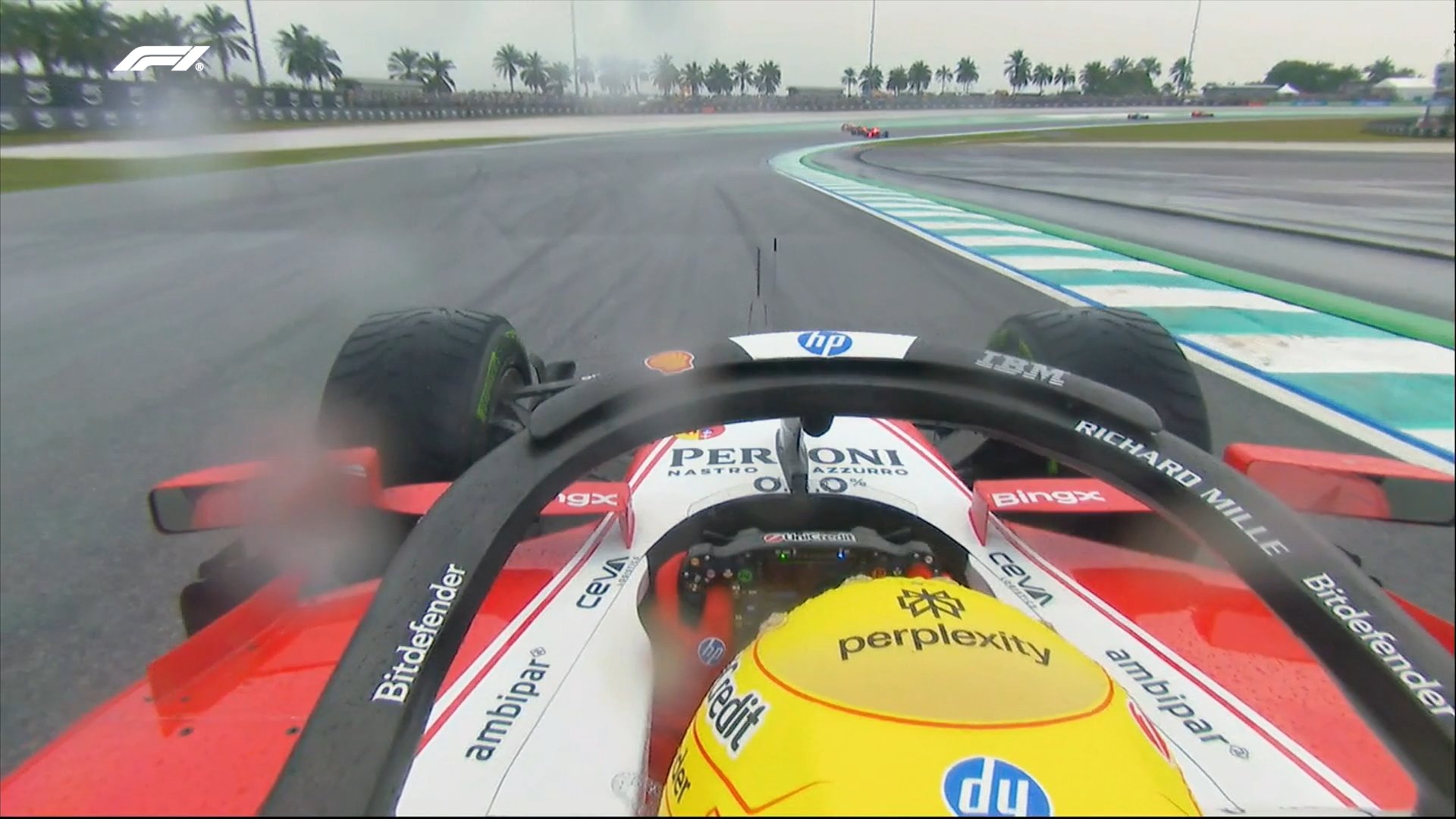
Moving forward, the regulator pledged to work alongside teams, manufacturers, and hardware suppliers to expand validation checks:
“The review also recommended that measures would be implemented for testing of the software, recognising that opportunities for testing are limited, to make it robust as possible.
“The FIA , together with the teams and Power Unit Manufacturers (PUMs), will continue to strengthen Power Unit software testing and verification capabilities, enhancing the overall validation process through independent assessment and collaborative feedback, including input from the supplier of the standardised Electronics Control Unit (ECU).”
Closing its statement, the governing body credited paddock-wide collaboration for salvaging the event:
“The FIA would like to recognise and thank all stakeholders amongst the teams, Power Unit manufacturers and the FIA technical team for their diligence and responsiveness during the interruption. Their collective efforts enabled the issue to be identified, addressed and resolved, allowing the race to proceed safely.”
Keep up to date with all the F1 news via X and Facebook