



Christian Horner has lifted the lid on a remarkable power struggle that took place behind the scenes at Red Bull, claiming his attempts to recruit Fernando Alonso and Charles Leclerc were blocked by the team's influential motorsport adviser Helmut Marko. But on who's order?
In his forthcoming memoir ‘Drive’, the former Red Bull team principal paints a picture of a team boss unable to secure the drivers he wanted, despite having spent two decades building the Milton Keynes outfit into a Formula 1 powerhouse.
With Sergio Perez's performance deteriorating in 2024, Horner began exploring alternatives to Max Verstappen's increasingly underperforming team-mate. What followed, according to his account, was a succession of thwarted ambitions.
Both Alonso and Leclerc were on Horner's radar. Both appeared to offer compelling alternatives. And both were ultimately ruled out, leaving the team to promote Liam Lawson – a decision Horner now openly questions.
Most intriguingly, Horner insists Verstappen himself was not responsible for either rejection, hinting instead at a decision-making structure in which the man nominally running the team did not always get his way.
Alonso wanted the Verstappen challenge – but Marko intervened
Perez's decline had become increasingly difficult for Red Bull to ignore. Having helped the team secure its first one-two finish in the drivers' championship, the Mexican's form subsequently slumped, prompting Horner to investigate a replacement.
"Sergio Perez's form was unrecognisable compared to the driver he had been in previous seasons," Horner wrote. "I decided to look for a possible replacement."
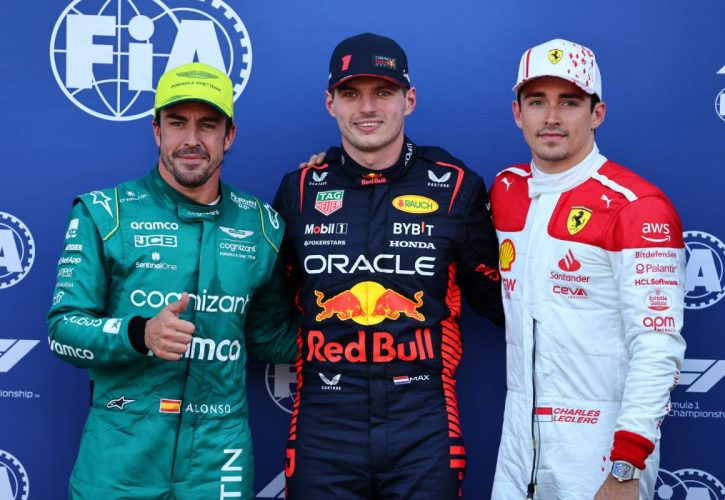
Alonso quickly emerged as a serious possibility. The two-time world champion was still racing for Aston Martin, but Horner claims the Spaniard personally expressed his desire to join Red Bull during the 2024 Japanese Grand Prix.
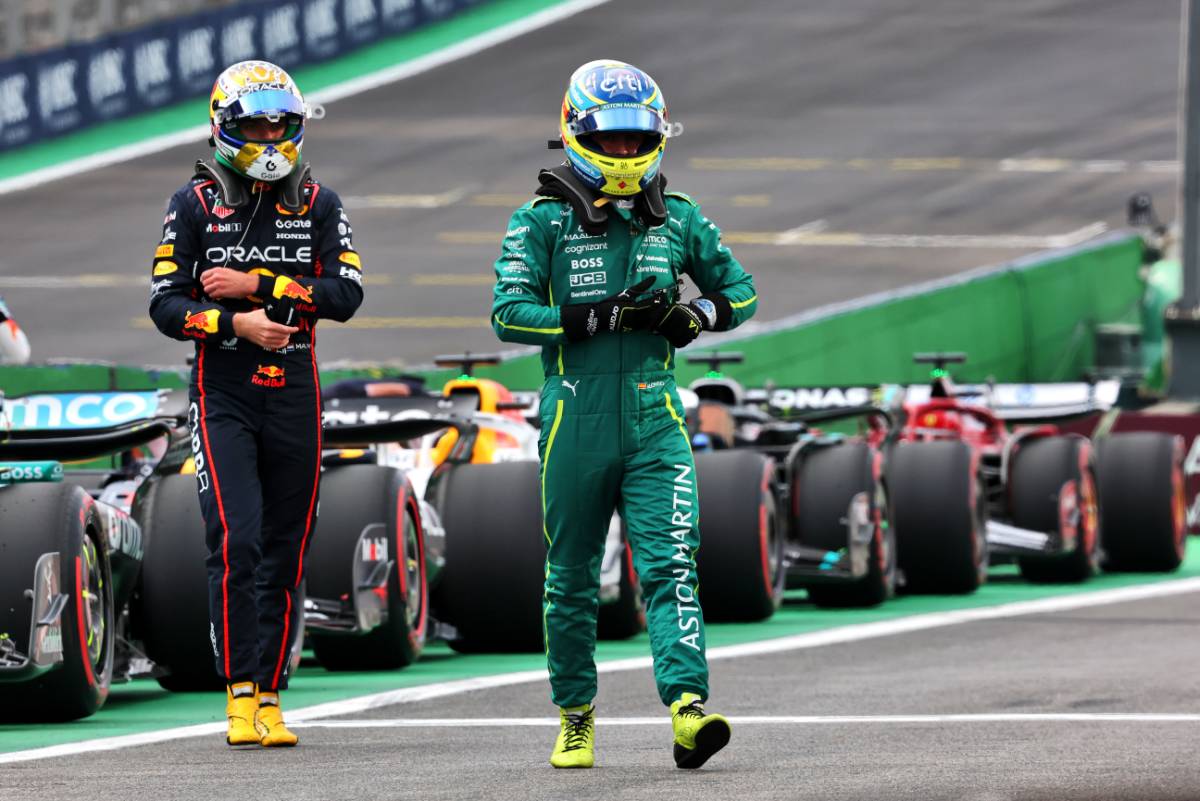
The prospect of pairing Alonso with Verstappen would have created one of the most intriguing line-ups on the grid: two fiercely competitive world champions sharing a garage, with the veteran Spaniard bringing a wealth of experience and an appetite for one more shot at the ultimate prize.
Yet Horner's account suggests the proposal never gained the necessary internal support.
"During the Japanese Grand Prix, Fernando even told me that he really wanted to drive alongside Max the following season,” the Briton recalled.
“Subsequently, Helmut (Marko), apparently on behalf of Verstappen's management team, made it clear that they were not happy with that idea."
Horner does not suggest that Verstappen himself had demanded Alonso be excluded, however, and would later explicitly distance the Dutchman from the decision.
Next target: Charles Leclerc
With Alonso apparently off the table, Horner turned his attention to another driver he believed could strengthen Red Bull: Ferrari's Charles Leclerc.
The Monegasque had established himself as one of the grid's quickest qualifiers, while his determination and commitment to Ferrari had made him a central figure at Maranello.
Horner nevertheless saw an opportunity, particularly amid suggestions that Leclerc was growing frustrated with his situation at the Scuderia.
"I thought he could be the perfect driver for us,” he wote. "He was fast, strong over one lap, and had a determined character.
“Sure, he made a mistake now and then, which Red Bull had capitalised on, but whatever the situation, he never criticised Ferrari. Charles was a team player, and I felt he could fill the gap if Sergio dropped further back. Moreover, he seemed frustrated at Ferrari."
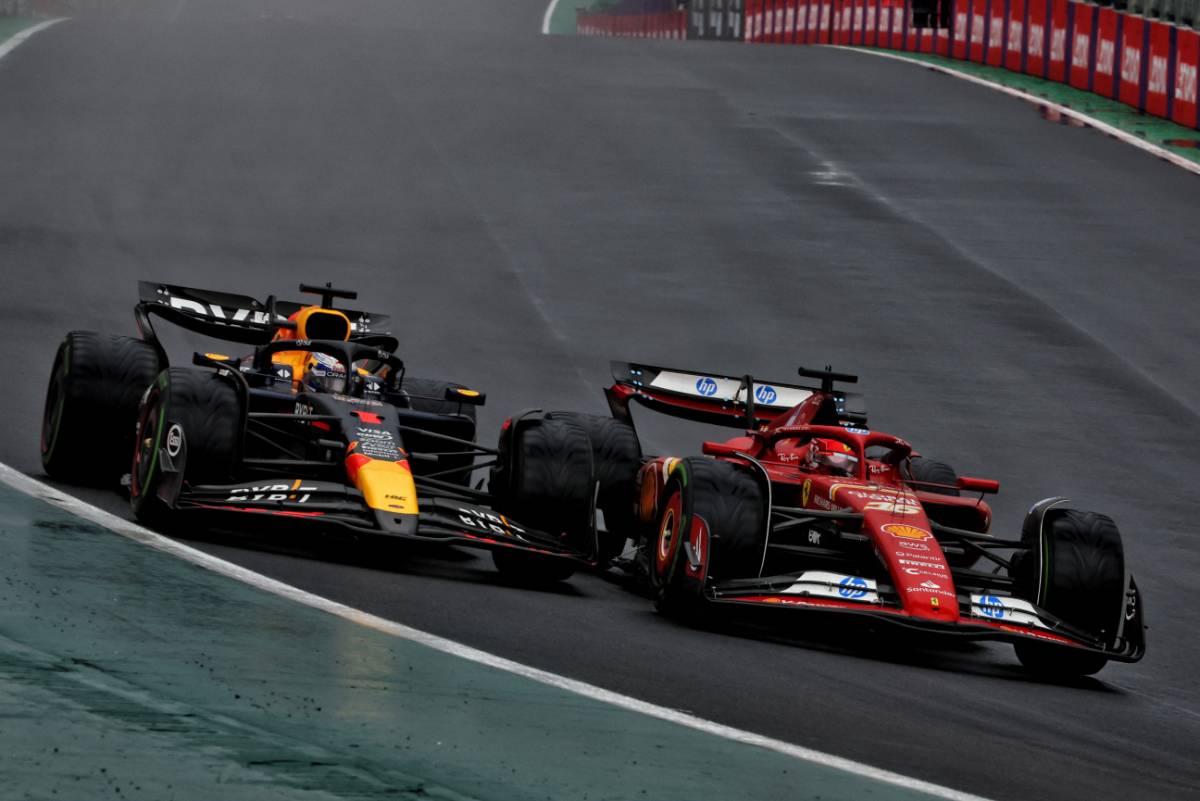
Horner evidently saw a driver with the speed, temperament and team-first mentality to slot into Red Bull's demanding environment alongside Verstappen.
But once again, the proposal was reportedly dismissed.
"Shortly afterwards, Helmut told me that I should just forget about Charles as well. Just like with Fernando, it wasn't going to happen."
Horner's account leaves little doubt about his frustration at seeing two high-profile options disappear. More significantly, it suggests that his preferred direction for the team was being dictated by forces beyond his control.
"I knew immediately that that order did not come from Max," Horner adds. "But someone had decided somewhere that it wasn't the right move for Red Bull. I was disappointed."
Lawson got the seat – and Horner now questions the call
With Alonso and Leclerc unavailable, Red Bull ultimately promoted Liam Lawson from its sister outfit, Racing Bulls, to partner Verstappen for the start of the 2025 campaign.
It was a gamble on youth, but one that quickly unravelled. Lawson arrived with just 11 Grand Prix starts to his name and was thrust into one of the most unforgiving seats in Formula 1.
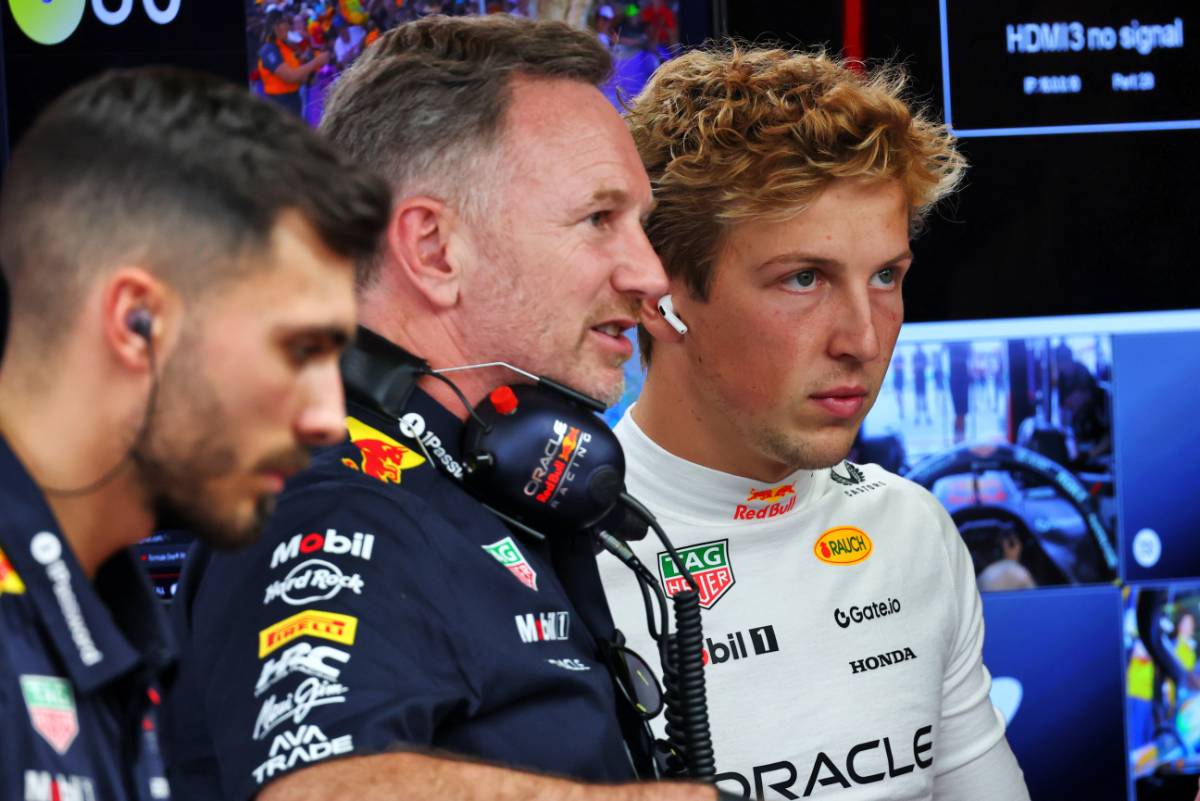
After only two race weekends, Red Bull demoted him back to its junior team, replacing him with Yuki Tsunoda.
Horner admits he was uncomfortable with the original promotion, questioning whether the New Zealander was ready for such a demanding assignment.
"I didn't feel comfortable with it. He was young and inexperienced, with only eleven Formula 1 races under his belt, and we were asking an enormous amount of him."
His retrospective verdict is even more damning.
"But actually, he should never have been promoted in the first place."
There was also at one point another name in Horner's plans.
Carlos Sainz, who had previously raced for Toro Rosso before moving on to Renault, McLaren and Ferrari, visited Horner at his home shortly before the team principal's dismissal in July 2025.
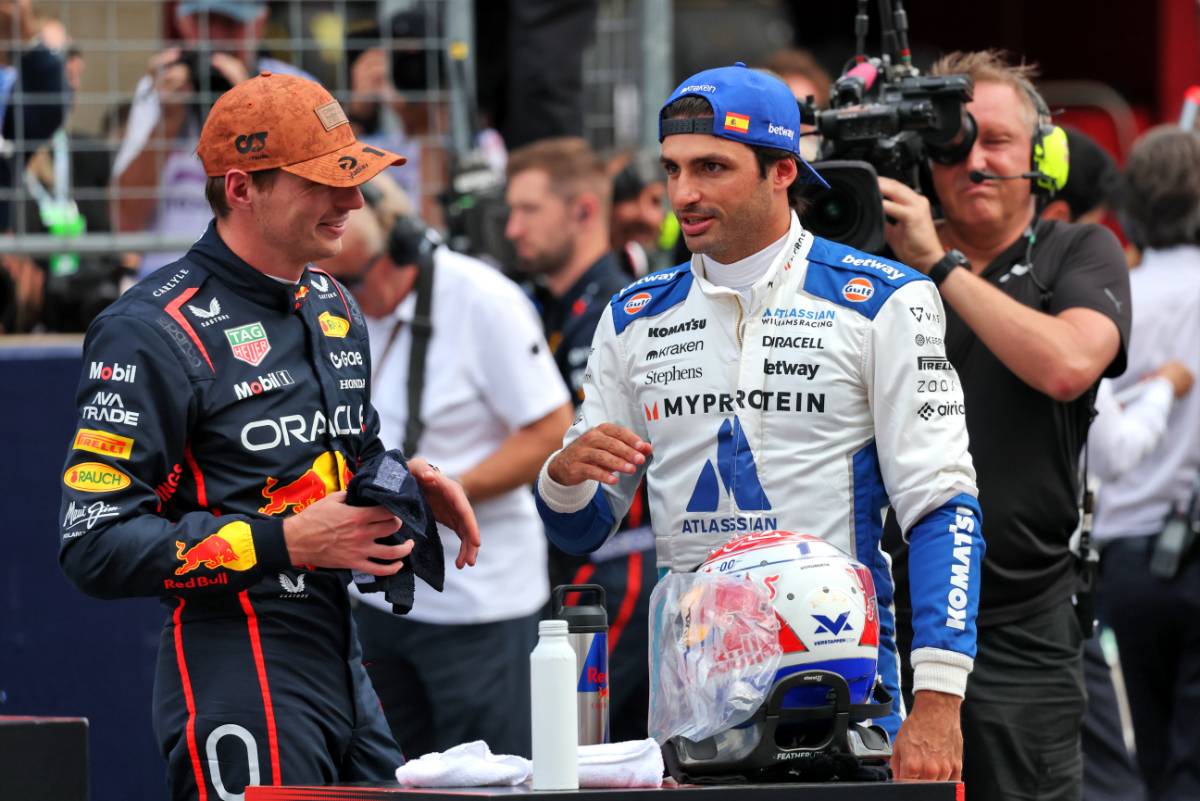
The Spaniard was exploring a potential return to Red Bull for the following season.
"He came to discuss a possible move to Red Bull in 2026,” Horner recounted. "He was an experienced Grand Prix driver, a team player, and I knew he would work his socks off for the team."
Sainz's visit adds another layer to Horner's account of a driver market he was actively trying to shape, even as his own position at Red Bull was approaching its end.
Of course, these Horner's recollections of events, presented in his own memoir. His version does not independently establish who ultimately vetoed the Alonso and Leclerc approaches, nor does it provide the full perspective of Marko or Red Bull's wider management.
But the picture he presents is striking. The Briton wanted to explore two established stars as potential team-mates for Verstappen, claims both opportunities were shut down, and was left with a rookie whose promotion he subsequently criticised.
For a team that has long prided itself on ruthless decision-making and a formidable driver-development programme,
Horner's revelations invite an uncomfortable question: who was really calling the shots when Red Bull needed to make one of its most consequential driver decisions?
Keep up to date with all the F1 news via X and Facebook