

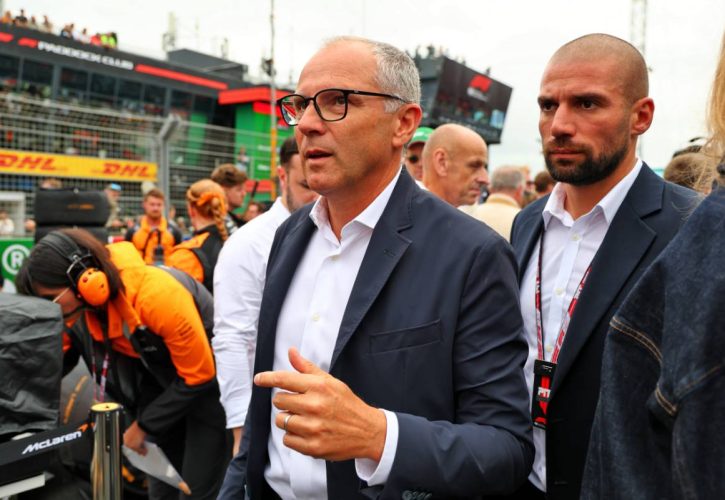


Formula 1 CEO Stefano Domenicali has delivered a clear message to the sport’s most historic tracks: nostalgia alone won’t keep them on the calendar.
As the championship continues to expand globally and attract a new generation of fans, Domenicali says tradition must be matched by modern standards and infrastructure investment to allow circuits to keep up with F1’s fast-evolving demands – or risk being left in the dust.
Speaking on Italy’s Passa dal BSMT podcast, Domenicali delivered a blunt response when asked if the storied legacy of F1’s classic tracks guarantees their future.
“No, in the sense that obviously if a Grand Prix has this historical value, it is a plus in the things to consider, but it is not enough,” he declared.
History Meets the TikTok Generation
Domenicali acknowledged the emotional pull of classic venues such as Monaco, Monza, and Spa – tracks steeped in the DNA of the sport – but said that sentimentality doesn’t necessarily resonate with the sport’s younger audience.
“It's an element that adds history, and it's important for someone like me who has followed Formula 1 since childhood,” he explained.
“But for the new fans who follow Formula 1 – this may sound strange, but if you look, and we have this data because it's fundamental for us – the ability to turn the page, to scroll through news, to forget who won last year, is very high.
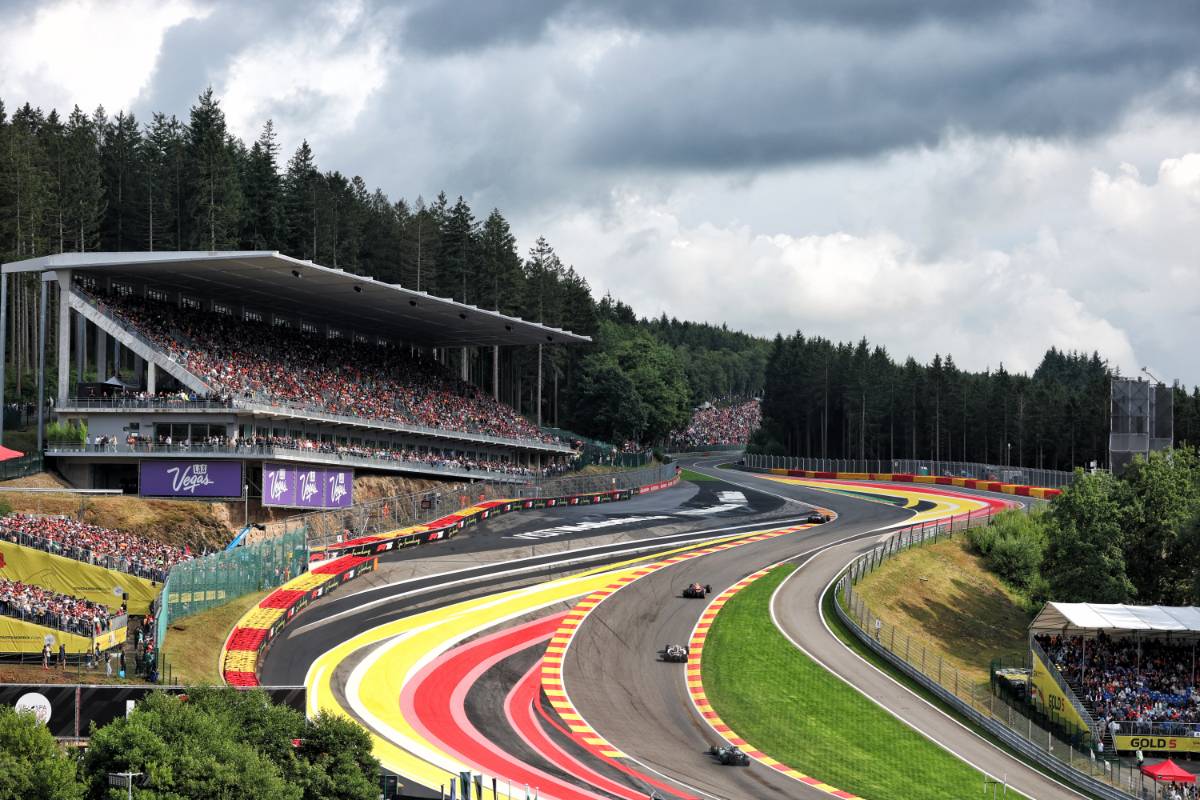
"So for many young fans today, racing in Monte Carlo compared with the new Las Vegas circuit makes no difference,” he said. “So history is not a fundamental element for us.
That insight underscores the modern balancing act F1 faces: keeping its roots alive while courting a digital-native fan base that values spectacle and accessibility as much as history.
Invest or Fade Away
Since Liberty Media’s takeover in 2017, F1 has steadily shifted its focus toward new, high-tech destinations – from Saudi Arabia to Miami to Las Vegas.
In that process, some European circuits have lost their races, while others, such as Spa-Francorchamps, will now rotate on the schedule.
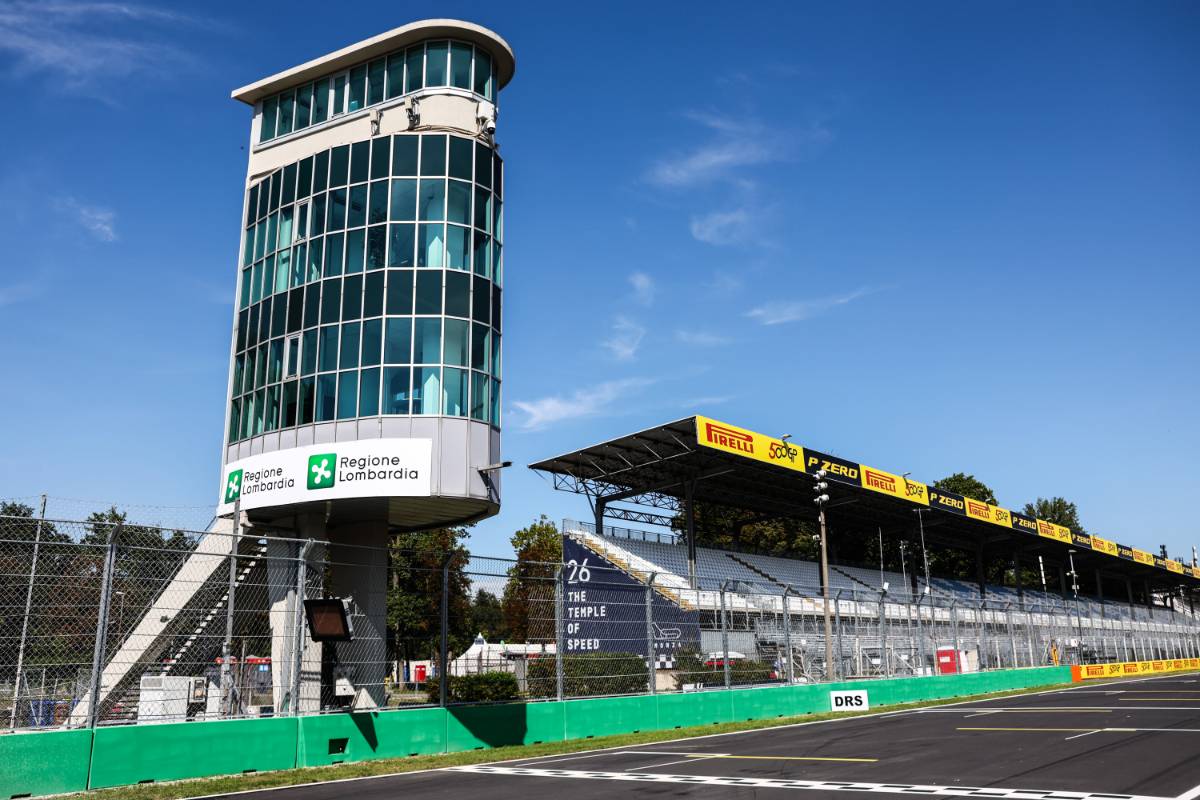
Domenicali insists that for traditional venues to survive, they must invest.
“Just to give you the idea, history must be supported by a structure that looks to the future, that allows investment in infrastructure to improve – since tickets are not exactly cheap – to provide services to fans at all levels,” he said.
“And to allow countries to be financially present in a calendar that I think won’t grow beyond the number [of rounds] we have today.”
With the 2026 Formula 1 season once again capped at 24 rounds, the message is clear: if classic circuits want to stay, they’ll have to evolve.
Read also: Monaco GP secures future on F1 calendar until 2035
Keep up to date with all the F1 news via X and Facebook