

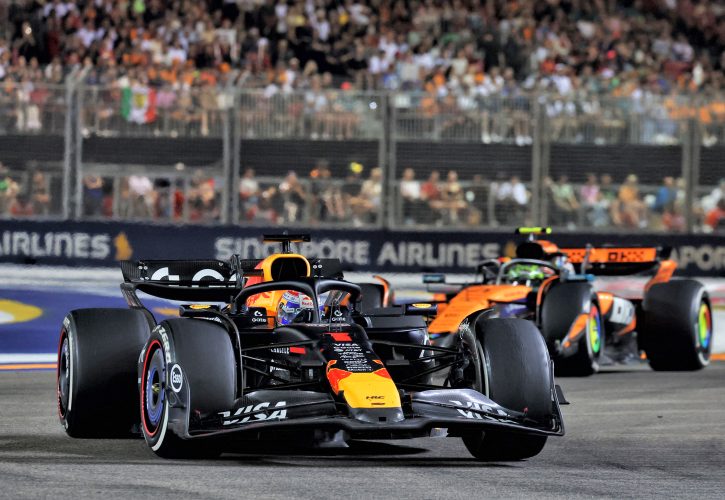


After a turbulent mid-season dip, Red Bull Racing has surged back into form – and both technical director Pierre Wache and Max Verstappen have shed light on what’s driving the revival.
With Verstappen scoring 86 of a possible 100 points since the summer break, including wins in Italy and Azerbaijan and a second-place finish last weekend in Singapore, the reigning champion and his team appear to have rediscovered the balance that once made them untouchable.
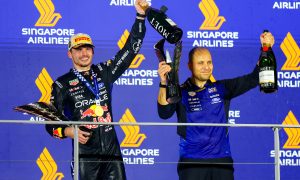
Red Bull’s return to competitiveness was clearly confirmed in Marina Bay, where Verstappen out-qualified and out-raced both McLarens on a high-downforce circuit that, on paper, should not have suited the RB21.
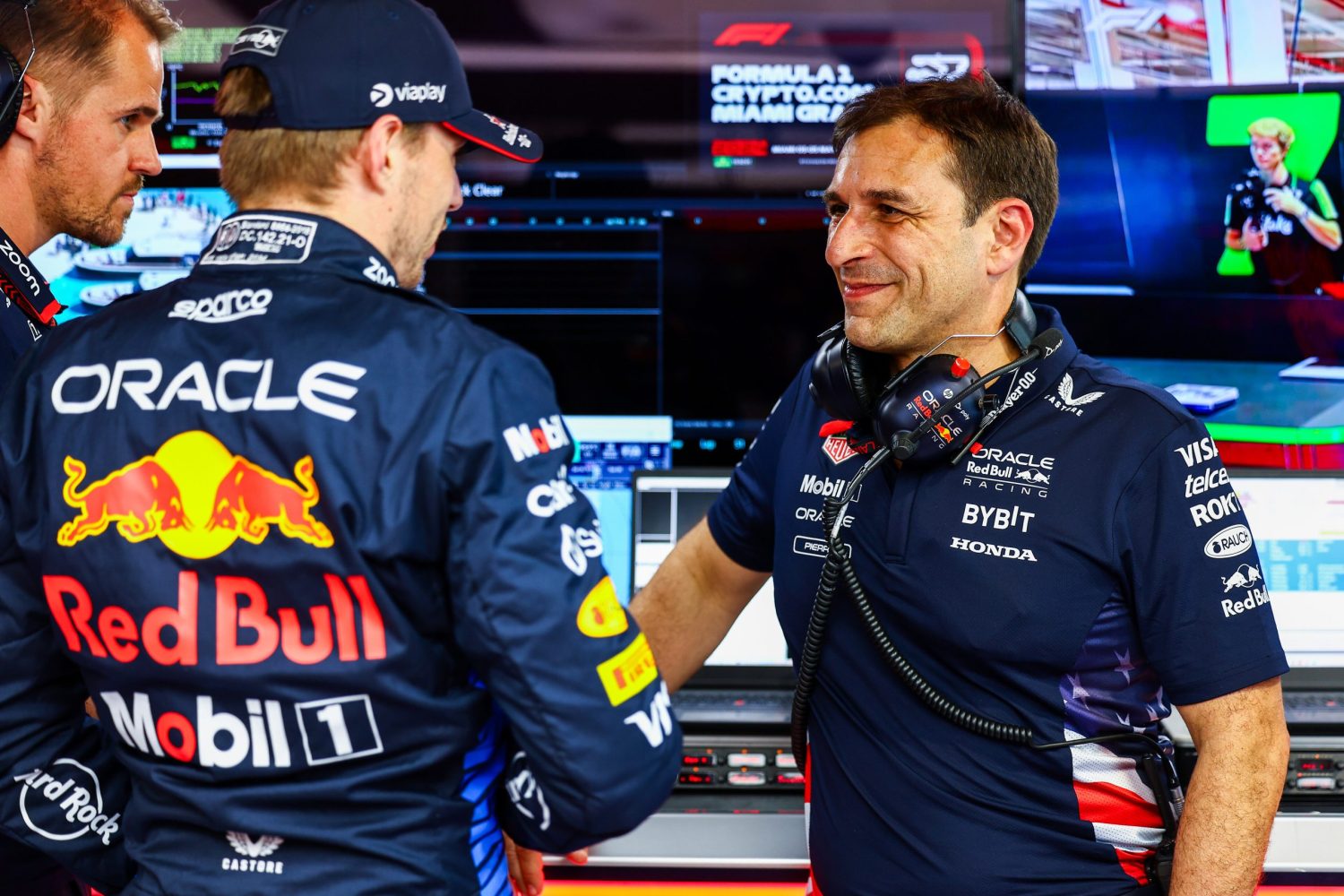
For Pierre Wache, that performance was an encouraging breakthrough.
“We were worried that on a high downforce track, [the pace] would disappear, but this is not the case; it is a massive positive for this race. It is also a good sign for the future races,” Wache told RacingNews365 in Singapore.
©RedBull
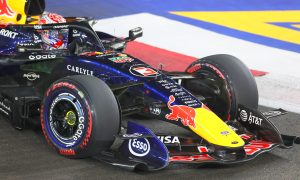
Even as some rivals have shifted focus toward their 2026 projects, Red Bull has continued to invest time and energy in refining the RB21 – a decision Wache says is critical to maintaining competitiveness.
“Yes, otherwise if you don't develop the car, you will never know if it is enough, that is the main thing,” he said. “You never know that what you do and what you've found is enough to unlock what the driver needs.”
Verstappen: “A Different Philosophy” Behind the Revival
For Verstappen, the turnaround hasn’t come out of nowhere – though he admits even the team was surprised by how quickly things clicked.
“Nobody expected this to be honest. But of course, there are reasons why things are suddenly working better now,” he said, before adding with a smile, “I just can’t say what those reasons are.”
Pressed further, Verstappen revealed that the shift came down to a change in approach rather than any single technical upgrade.
“Well, everything helps, of course, but that’s not the full reason,” he explained. And when asked what the most important factor has been, he replied: “A different philosophy.”
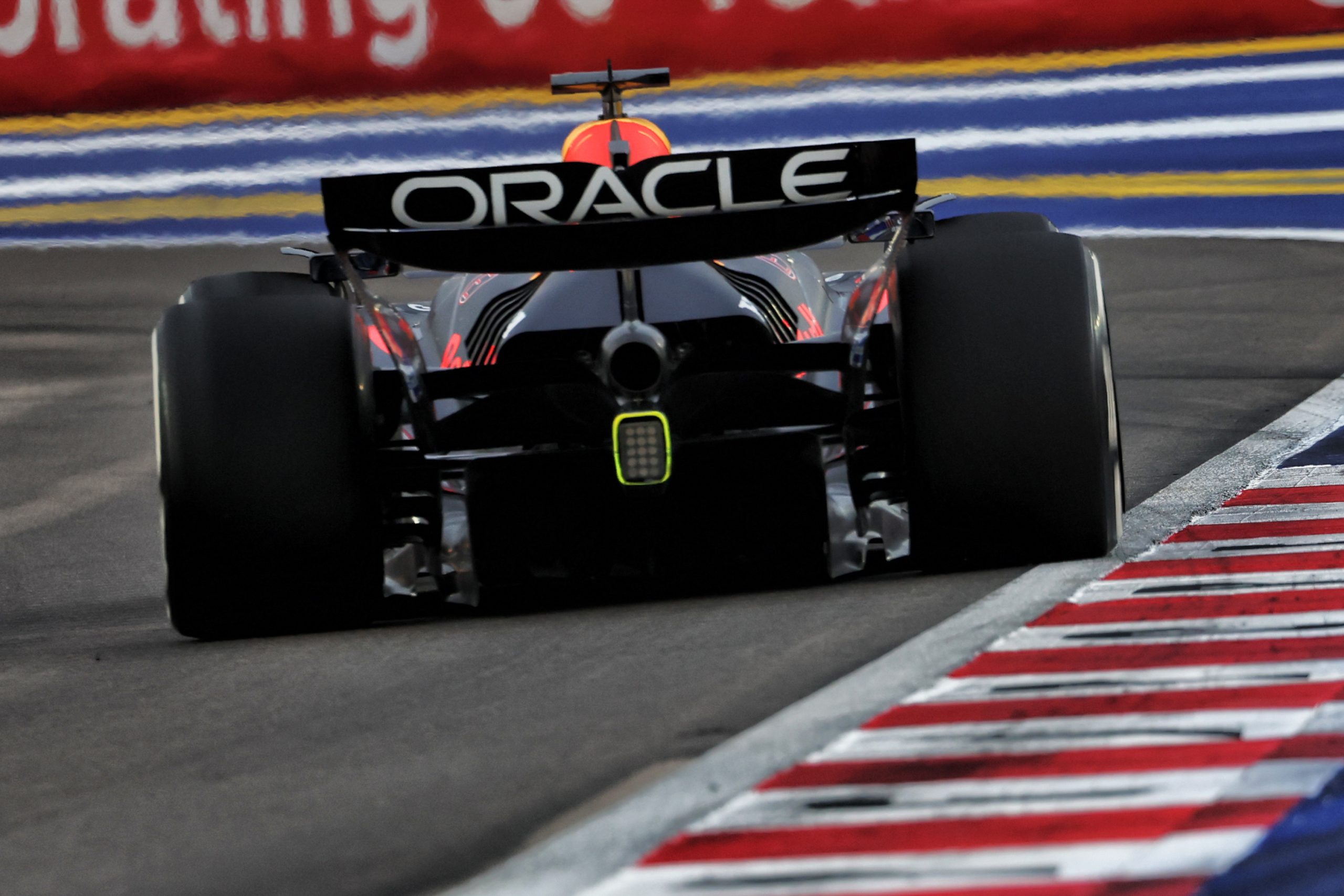
That new philosophy appears to revolve around how the team evolves its setup over a race weekend, rather than being locked into trade-offs between qualifying speed and race pace.
“That’s correct,” Verstappen confirmed. “Now we can fine-tune the car more throughout the weekend, and that’s the most important thing.”
He also admitted that the RB21 may not have been quite as weak as it appeared earlier in the year.
“That’s pretty clear, yes,” the Dutchman said. “But there’s nothing we can do about that now.”
Looking back, he conceded that with the knowledge they have today, Red Bull might have extracted better results earlier in the season. “At the start of the season, for sure – absolutely,” he said.
Cautious Optimism for the Final Races
Still, Verstappen remains cautious about declaring the car competitive everywhere just yet.
“You still have to find the optimal setup every weekend,” he warned. “The gaps are so small now that a tiny mistake in set-up or something else can have big consequences.
“We have to look into that carefully every single weekend.”
Red Bull’s resurgence, then, is less about a sudden technical leap and more about refinement – a philosophical shift that has allowed Verstappen and the team to unlock more of the RB21’s potential.
With confidence restored and momentum regained, both driver and technical chief are eyeing the final stretch of the season with quiet optimism — and a clear message that the champions are not done yet.
Keep up to date with all the F1 news via X and Facebook