

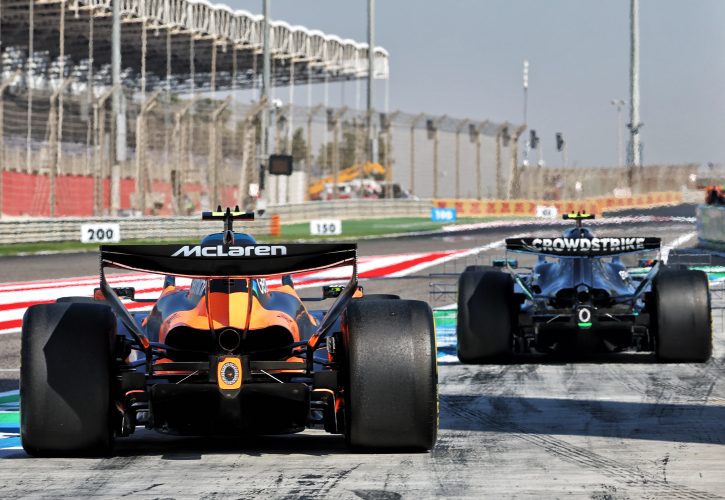


Mercedes’ F1 customer teams are poised to receive a timely boost ahead of the season-opening Australian Grand Prix, with a fresh engine specification set to debut in Melbourne.
According to a report from The Race, the German manufacturer quietly split its power unit programme during testing – prioritising reliability for its customer outfits while reserving its latest development for the works squad.
Now, that strategic holdback is about to pay dividends.
A Quiet Testing Divide
As Formula 1 ushered in sweeping new regulations, Mercedes faced a logistical headache: supplying four teams – its factory operation plus McLaren, Alpine and Williams – under tight timelines and a looming homologation deadline.
During pre-season running, customer teams were supplied with a proven, base-spec power unit. The aim was simple: eliminate variables.
With energy management systems growing more complex under the new rules, Mercedes wanted its partners to focus on understanding their chassis and operations rather than chasing marginal gains.
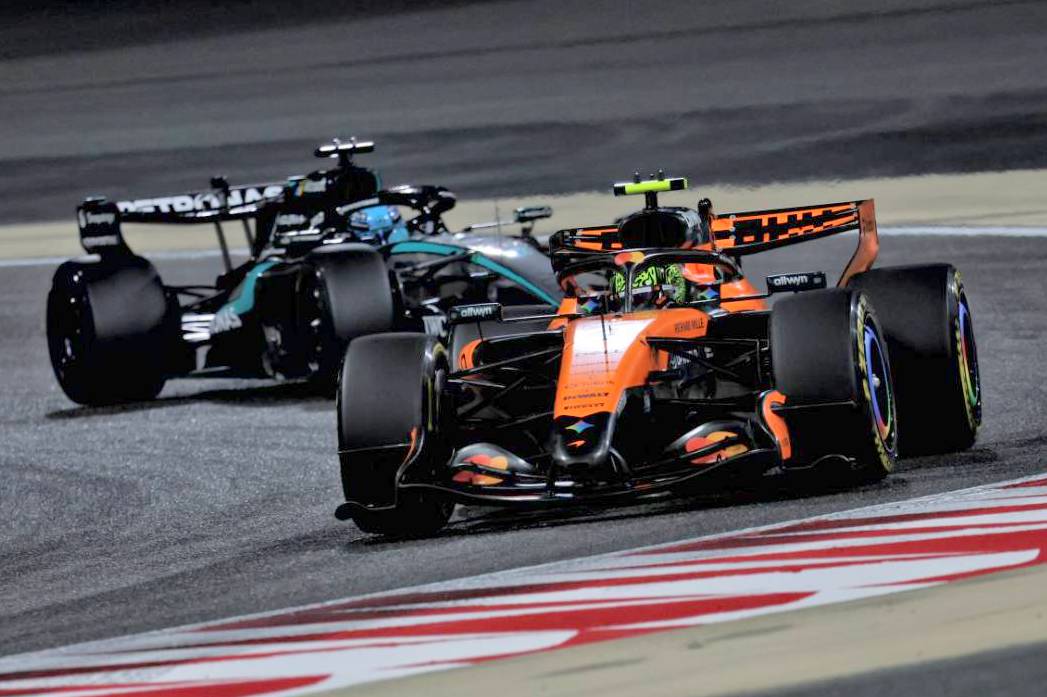
Meanwhile, the works team evaluated the latest evolution of its M17 E performance unit – refining the version it intends to lock in for the season before homologation.
The performance gap between the specs is not believed to be dramatic. But in Formula 1, even marginal gains matter.
And once the lights go out in Australia, the rules demand parity.
Andrea Stella’s Poker Face
Despite the hardware discrepancy during the Barcelona and Bahrain, McLaren team principal Andrea Stella isn't crying foul. In fact, he seems invigorated by the "intense" development path Mercedes has navigated.
When asked by The Race about the power unit situation, Stella remained diplomatically upbeat, focusing on the long game rather than testing times.
“I don't want to comment too much in terms of specification of hardware,” Stella said. “I think that's part of the strategy that HPP deployed in terms of supplying the hardware, the power units, to the customers and to the works team.
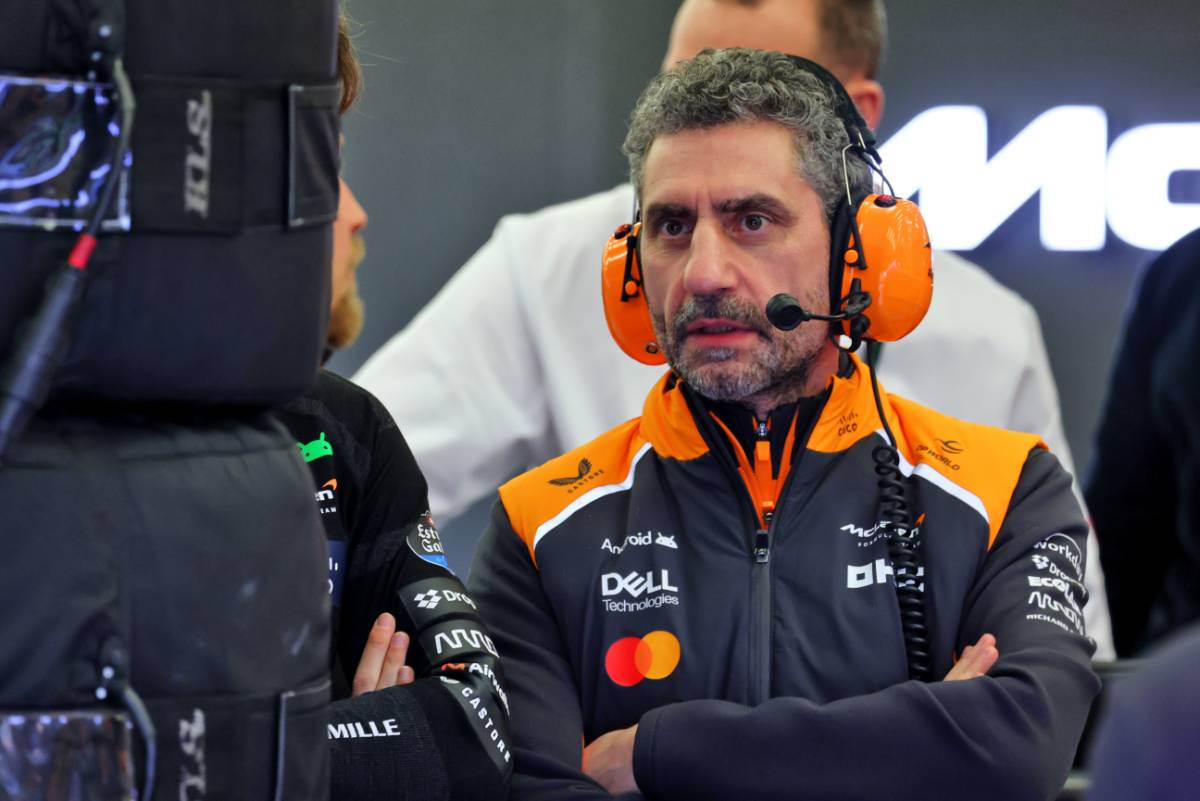
McLaren team principal Andrea Stella.
“It's certainly been an intense and pushed programme for power unit manufacturers, not only for the teams from a chassis point of view. But what is important is that the right specification is available for race one.
“I have to say that the power unit we had during this test behaved extremely reliably and gave us the opportunity to do all the tests that we wanted to do, and also learn about the interaction between power unit, chassis and driver.”
Read also:
The message is clear: the "test" engine did its job, but the "race" engine is where the magic happens.
Under Article 1.4 of the regulations, Mercedes must now deliver identical hardware and software to all three partners. For McLaren, Alpine, and Williams, the Australian Grand Prix won't just be the first race; it will be the first time they truly take the leash off.
The Silver Arrows might have started testing with a head start, but by next week, the field will be level – and potentially much faster.
Keep up to date with all the F1 news via X and Facebook