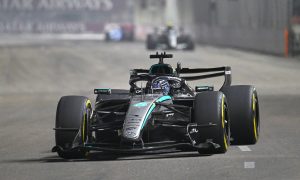


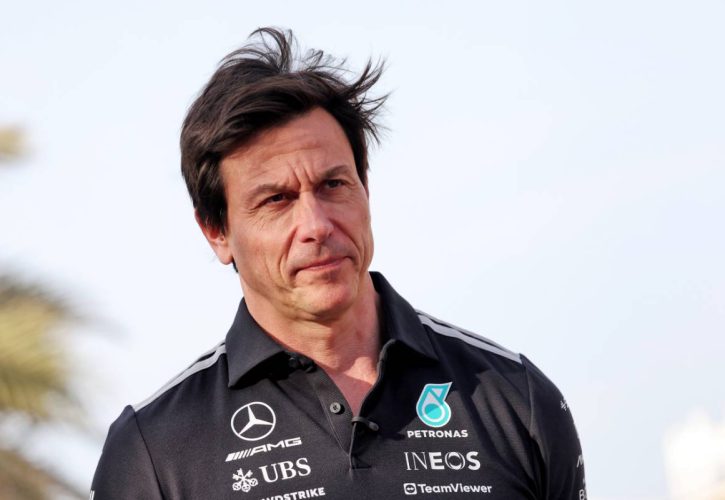


Mercedes team principal Toto Wolff has issued a stark warning that the Silver Arrows could be “screwed” if the FIA decides to tinker with its new power unit regulations ahead of the 2026 season.
The row centers on Mercedes’ suspected exploitation of a loophole in the sport’s compression ratio rules – a discovery that could hand the Brackley squad a crucial advantage, much to the ire of its rivals.
It is believed that Mercedes has engineered a way to skirt the 16:1 compression ratio limit, satisfying the FIA’s cold-engine checks while unlocking a forbidden level of performance once the power unit reaches its searing operating temperature.
It is a game of thermodynamic chess that has left Ferrari, Honda, Audi, and to a certain extent Red Bull seeing red.
The Shadow of the Lobbyists
As pre-season testing ignited on Wednesday in Bahrain, Toto Wolff cut a defiant but visibly wary figure. The Austrian, usually the master of the political chessboard, now finds himself staring down a united front of rivals determined to rewrite the rulebook at the eleventh hour.
“I'm a little bit more confused in the recent weeks about how it came to the point now that it suddenly became a point, because until last Friday, I was given the impression that things wouldn't change,” Wolff admitted, his voice carrying the weight of a man watching the goalposts move in real-time.
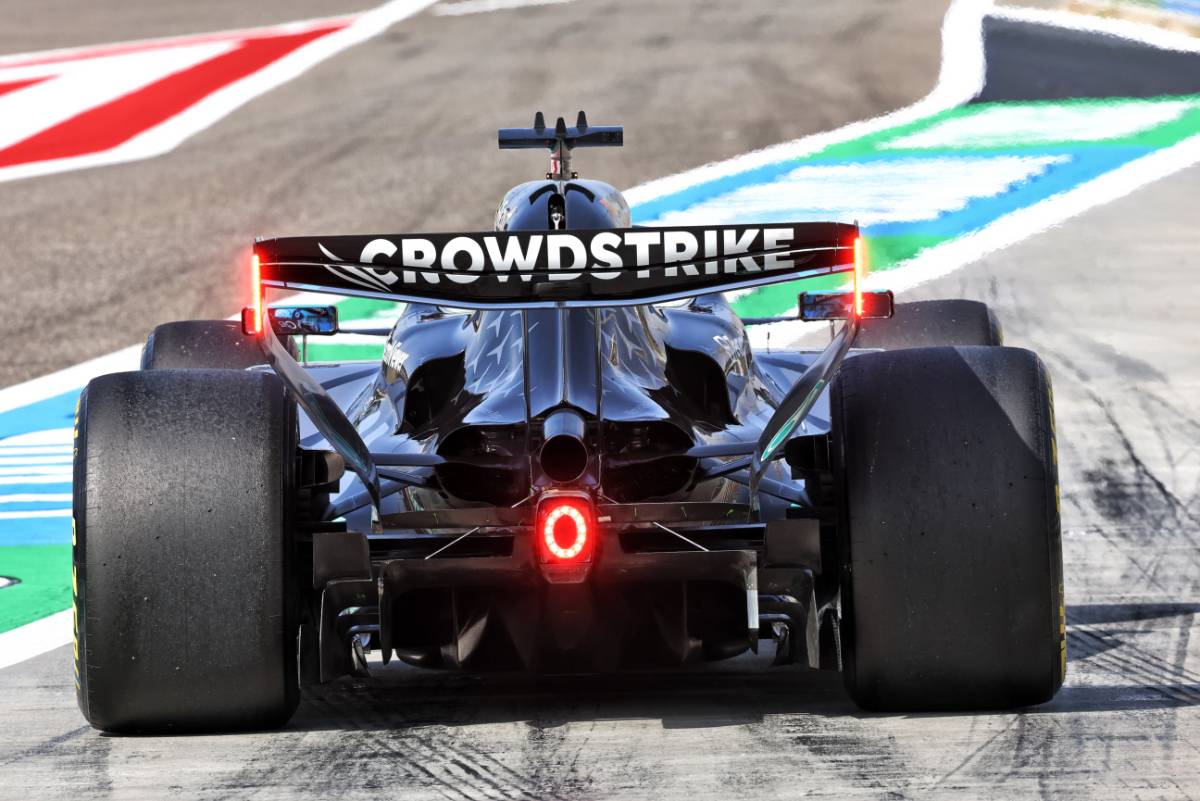
The tension has transcended mere engineering; it has turned into a back-alley political brawl. Wolff was blunt about the forces working against Mercedes in the shadows.
“I think that the kind of lobbying from the other engine manufacturers has massively ramped up over the last few months,” he said. “I mean, secret meetings, secret letters to the FIA, which obviously there's no such thing as a secret at this point. And that has brought it to this situation.”
A Verdict of Dire Consequences
If the FIA yields to the pressure of the chasing pack and tweaks the measurement rules before next month’s season opener in Australia, the consequences for Mercedes - and its customer teams - could be nothing short of catastrophic.
The intricate architecture of their 2026 power unit, built on years of development and specific assurances from the governing body, could be rendered obsolete overnight.
“It's not only the teams, you need the votes from the governing body, and you need the votes from the commercial rights holder, and if they decided to share an opinion and an agenda, then you're screwed,” Wolff warned, painting a grim picture of the political machinery.
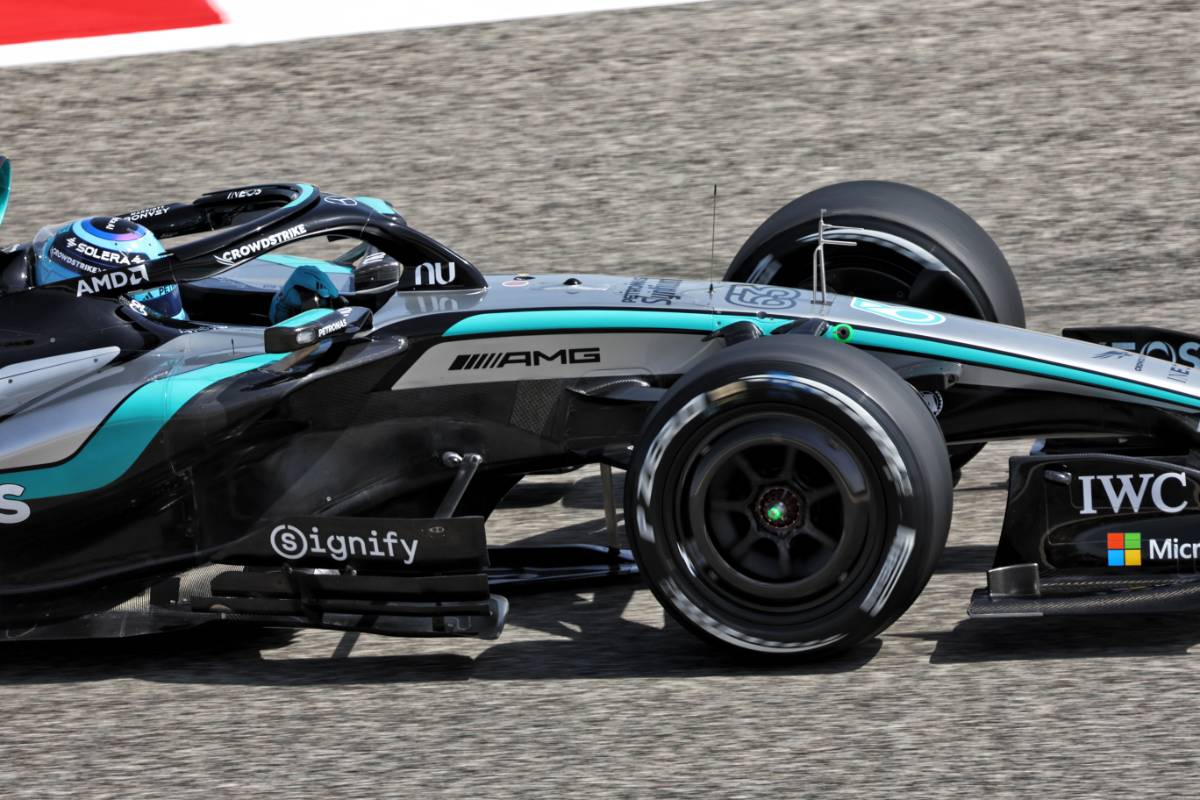
Despite the high stakes, Wolff insists that Mercedes has played by the book, keeping the regulators in the loop throughout the design phase.
“You know, in this sport, it’s full of surprises, so there is never a situation where you can say you're sure about anything. All along the process, when you design an engine, you're keeping the FIA very close to the decisions you make, and that's what we did,” he explained.
“And we have had all the assurances that what we did was according to the rules. It's not even like we're talking about some massive performance gain and that's what it was, but I think all of our competitors got a little bit aggrieved and lobbied the FIA for a long time.”
Litigation Off the Table
While the threat of a legal firestorm usually hangs over such disputes, Wolff appears resigned to the sport’s ultimate authority, even if it tastes like ashes.
“There is no such scenario as we would sue anyone,” he insisted. “In Formula 1, in my opinion, it is more essential than ever that you know what the rules are, but engineering ingenuity is always respected, and that's why we always respect the governance of the sport.
“If the governance of the sport decides to change the rules, be it against our position or for our position, we just have to get along with it.”
Read also:
As the sun sets over the Sakhir circuit, the focus remains on the track, where the Red Bull-Ford partnership already looks ominous. Watching Max Verstappen’s RB22 tear through the desert air, Wolff’s concern was palpable.
"Well, I was hoping that they were worse than they are, because they have done a very good job," he noted.
"The car, the power unit are the benchmark at the moment I would say. And then obviously you have Max in the car, that combination is strong. Look at the energy deployment today.
“They are able to deploy far more energy on the straights than everybody else. I mean, over consecutive laps. On a single lap we have seen it before, but now we have seen it on 10 consecutive laps with the same kind of straightline deployment.
“I would say that as per today, on the first official day of testing, which is always with a caveat, they have set the benchmark today."
For Mercedes, the clock is ticking. They are caught between a relentless rival on the track and a group of bitter enemies in the boardroom. If the rules shift now, the Silver Arrows may find their 2026 dreams grounded before they ever took flight.
Keep up to date with all the F1 news via X and Facebook